What we know about the US-Venezuela oil agreement
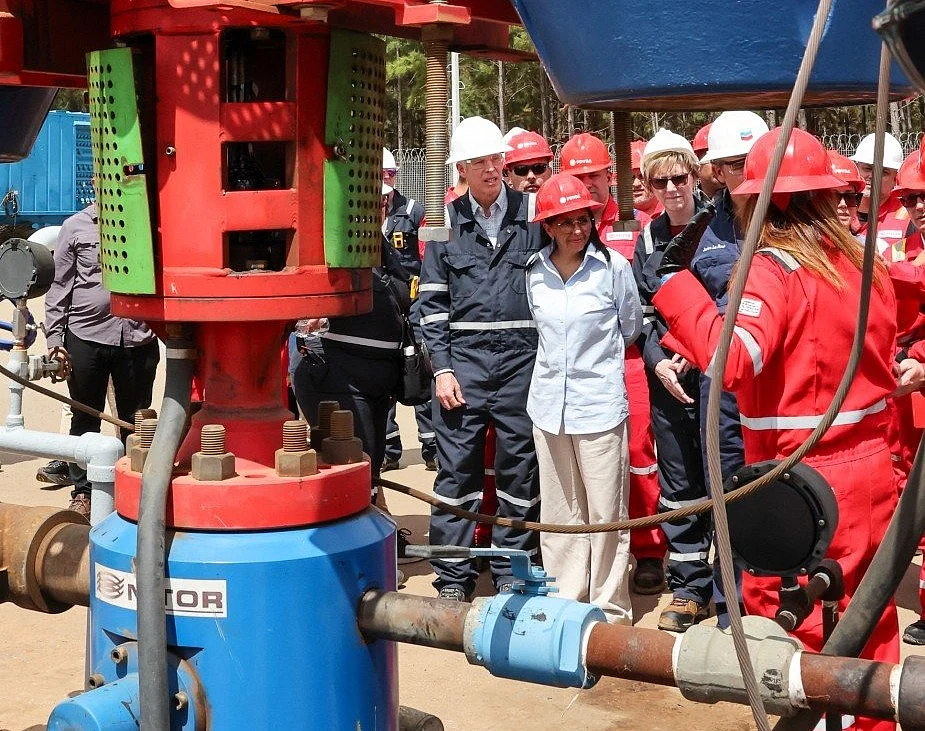
The United States and Venezuela have signed an agreement granting the US control over approximately one-fifth of Venezuela's oil reserves, valued at over 65 billion barrels. This represents a significant increase in US reserves, which are the largest in the world. US President Donald Trump announced the deal, stating it will not cost the American taxpayer anything and would be implemented quickly, with a focus on increasing strategic reserves and lowering fuel costs for Americans.
The agreement is expected to bring Venezuela more than $100 billion in investment and $19 for every barrel produced. However, experts are skeptical about the short-term increase in Venezuelan production. Venezuelan interim president Delcy Rodriguez claims the deal spans 25 years and covers 17 oil fields, potentially benefiting the country significantly.
Former head of Venezuela's state-owned oil company, Rafael Ramirez, argues the deal is an act of new US colonialism, ceding control of the territory and oil to a foreign power.
The deal has raised concerns about its future after Trump's presidency. Major US oil companies have been hesitant to engage in the Latin American country due to the massive investments required for repairs and past expropriations. The country's current oil production is around 1.2 million barrels per day, up 30% since January but still far below the three million barrels per day produced a quarter-century ago.
The deal's final status remains uncertain, with some analysts questioning whether it will remain in force or be modified or cancelled in the future.
Written by urgent.news from Gulf News's reporting — not their text. Machine-written — may contain errors; check the original before relying on it.