Warsh’s ’quieter Fed’ now includes a smidgen of guidance
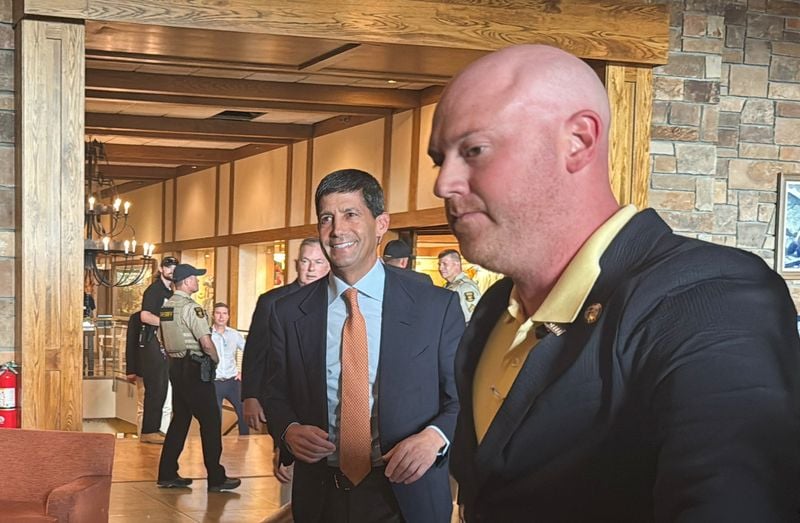
Federal Reserve Chairman Kevin Warsh's reluctance to signal monetary policy intentions softened slightly on Friday as bond markets pushed for his views on high inflation and potential actions. At his debut speech to the Kansas City Fed's annual economic symposium in Jackson Hole, Wyoming, Warsh provided just enough information for markets to anticipate an interest rate hike next month, signaling a return to traditional Fed practice.
Warsh emphasized that underlying inflation must move towards the Fed's objective at a sufficient speed, stating that otherwise, more work is needed. Despite asserting that a quieter, more purposeful Fed is better for meeting its objectives, Warsh's remarks still gave a sense of his economic view, which was well-received by global central bankers and observed as constructive by Citigroup's global chief economist, Nathan Sheets.
Warsh's speech straddled expectations of either echoing his July performance or engaging more openly with policy deliberations. His comments balanced both perspectives, offering markets a hint that the odds of a rate hike at the upcoming September meeting have increased. Warsh prefaced his remarks with a reference to his established communication pattern, stating that he would not provide extensive guidance.
Markets interpreted his speech as signaling a potential shift toward tighter monetary policy, reflected in futures prices, bond market movements, and stock performance. While some, like New York Fed President John Williams, view Warsh's decision to forgo guidance as necessary due to uncertainties, others argue it's crucial for providing accountability and better policymaking.
Chicago Fed President Austan Goolsbee also advocated for more transparency in Fed communication, warning that lack of explanation could lead to market volatility. Warsh's rhetorical shift, backed by his actions, will be closely watched to ensure his words match his policy intentions.
Written by urgent.news from Investing.com's reporting — not their text. Machine-written — may contain errors; check the original before relying on it.