War of words: Lebanon tells Iran to liaise through state institutions amid tensions over Hezbollah
Lebanon 's Foreign Minister has said international relations should be conducted through state institutions in response to criticism from Abbas Araghchi, his Iranian counterpart, over Beirut’s handling of ties with Tehran. In a statement posted on X, Youssef Raggi said respect for sovereignty was a reciprocal principle. “Just as Iran, or any other host country, would not accept a Lebanese…
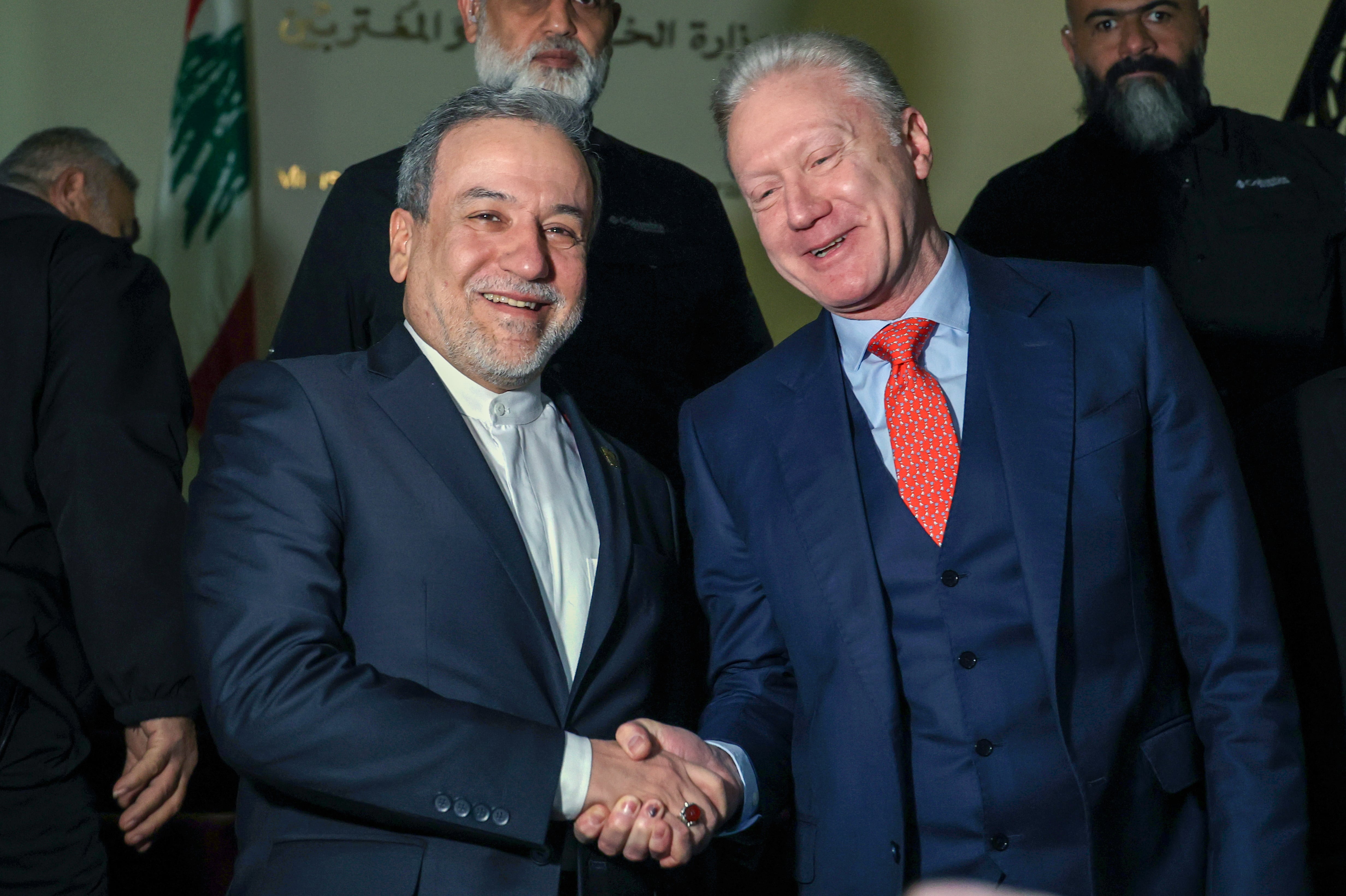
Lebanon's Foreign Minister Youssef Raggi has insisted that international relations should be conducted solely through state institutions, in response to Iran's envoy Abbas Araghchi's criticism. Raggi emphasized respect for sovereignty as a mutual principle, stating that Lebanon will not tolerate Iran bypassing its official institutions to engage independently with parties or factions, just as Iran wouldn't tolerate Lebanon's ambassador doing the same.
Raggi, a vocal critic of Iran-backed Lebanese group Hezbollah, had earlier expelled Iran's ambassador to Lebanon, Mohammad Reza Sheibani, in March. His visa was later renewed in August, but he did not regain diplomatic status. Araghchi had expressed hope that Lebanon would demonstrate more rationality in its relations, while noting Iran's desire for good relations with "all groups and factions in Lebanon" and the Lebanese government.
Raggi countered Araghchi's remarks, asserting that rational state relations begin with engaging through legitimate constitutional institutions, not internal "parties" or "factions." He welcomed Iran's expressed interest in maintaining strong bilateral ties with Lebanon's government. The diplomatic spat is part of escalating tensions between Beirut and Tehran over Iran's relationship with Hezbollah.
Lebanon's government has been pushing for the disarming of all militias, including Hezbollah, under pressure from the United States. Lebanon's President Joseph Aoun and Prime Minister Nawaf Salam have declared Hezbollah's military activities illegal and initiated direct talks with Israel to end hostilities. The current conflict erupted on March 2 when Hezbollah fired missiles at Israel in support of Iran, retaliating against Israel's daily violations of a ceasefire.
Israel's disproportionate military response has resulted in over 4,000 casualties and the destruction of dozens of villages in southern Lebanon, where Israeli forces have stationed troops.
Written by urgent.news from The National Business's reporting — not their text. Machine-written — may contain errors; check the original before relying on it.
This story
This is one outlet's version. Read the fullest account.