Volatility returned in 2026: how to trade the chaos without getting caught
In 2026, volatility shows up as a market that snaps into action the moment the catalyst hits. The CBOE VIX average was 25.60 in March, and dropped to 17.99 in June. The shock wave of spring dissipated, but it did not go away. Here is what changed: markets still work, but they now reprice in […] The post Volatility returned in 2026: how to trade the chaos without getting caught appeared first on…
In 2026, the market experienced a renewed bout of volatility that caught many traders off guard. The CBOE VIX average, a key indicator of market volatility, hovered around 25.60 in March and fell to 17.99 by June. Despite this drop, the chaos persisted, with markets reacting violently to new catalysts. Liquidity, or its limited levels, played a significant role in this increased volatility.
When liquidity was low, even a single large order could cause significant price movements and force traders to be stopped out. In May 2026, the Federal Reserve's report revealed that Treasury liquidity had reached its lowest historically recorded range.
Setting stops proved to be a challenge during these volatile periods. Traditionally, traders avoided placing stops in areas prone to normal market fluctuations, but many shifted to a more adaptive approach by using the volatility itself to determine stop placement. Some traders extended their stops to 1.5 to 2 times the Average True Range (ATR) during volatile periods, while simultaneously reducing their position sizes. This strategy helps minimize losses during rapid price swings.
However, one crucial aspect that many traders overlook is the speed at which market conditions can change. Stops, once triggered, can execute trades far from the originally set level, potentially leading to larger losses. Therefore, reducing position sizes is often recommended. Most traders limit their risk per trade to 1 to 3% of their total equity, adjusting their position size accordingly.
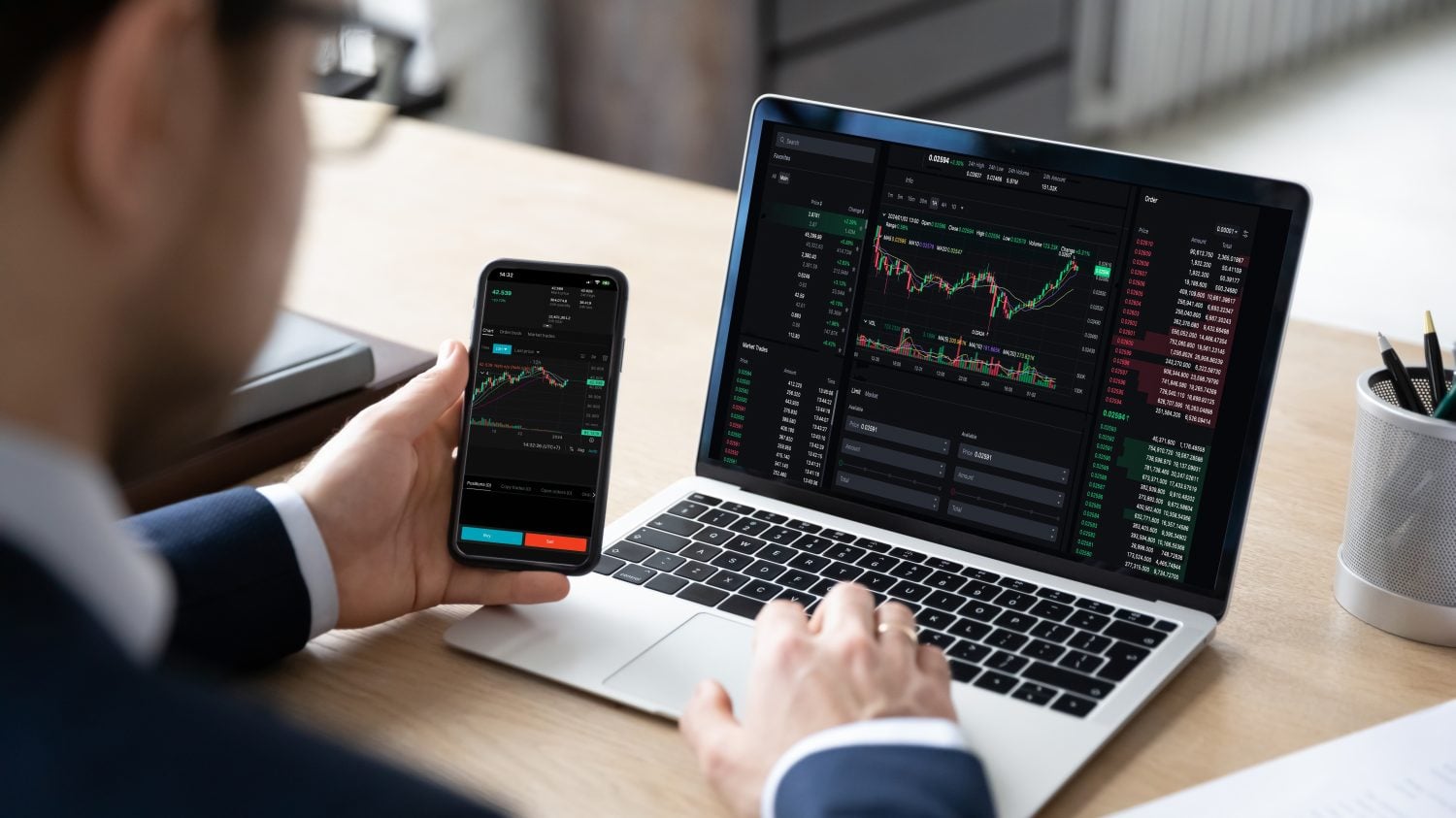
To thrive in this high-speed market environment, traders need to be well-prepared. Tools like the JustMarkets Web Terminal prove invaluable. This browser-based platform is designed for trading CFDs on MT5 accounts and is equipped with modern charting tools, technical indicators, and graphical overlays. Traders can set their desired volume in lots or units of the asset, and monitor market sentiment before making a trade.
Furthermore, JustMarkets offers features such as real-time margin usage monitoring, negative balance protection, low-latency order routing, and multiple liquidity providers. These features help traders execute trades more accurately, even in the face of rapid price changes. While these tools don't completely eliminate market risk or slippage, they significantly reduce the chances of trades being executed at unfavorable prices.
Ultimately, the key to survival in volatile markets lies in careful planning and avoiding avoidable mistakes. Traders must always be prepared to adapt to the ever-changing conditions, using both their knowledge and the right tools to navigate the chaos successfully.
Written by urgent.news from Nairametrics's reporting — not their text. Machine-written — may contain errors; check the original before relying on it.