US visa delays leave Chinese students stranded with ‘frozen’ plans and ‘constant anxiety’
Late August marks the annual influx of international students to US campuses, but for many Chinese students, visa processing delays and diplomatic tensions have turned scheduled departures into open-ended delays. They say stringent visa scrutiny and expanding background checks have left them in limbo, delaying their timely arrival in the US and forcing them to defer enrolment. Under a provision…
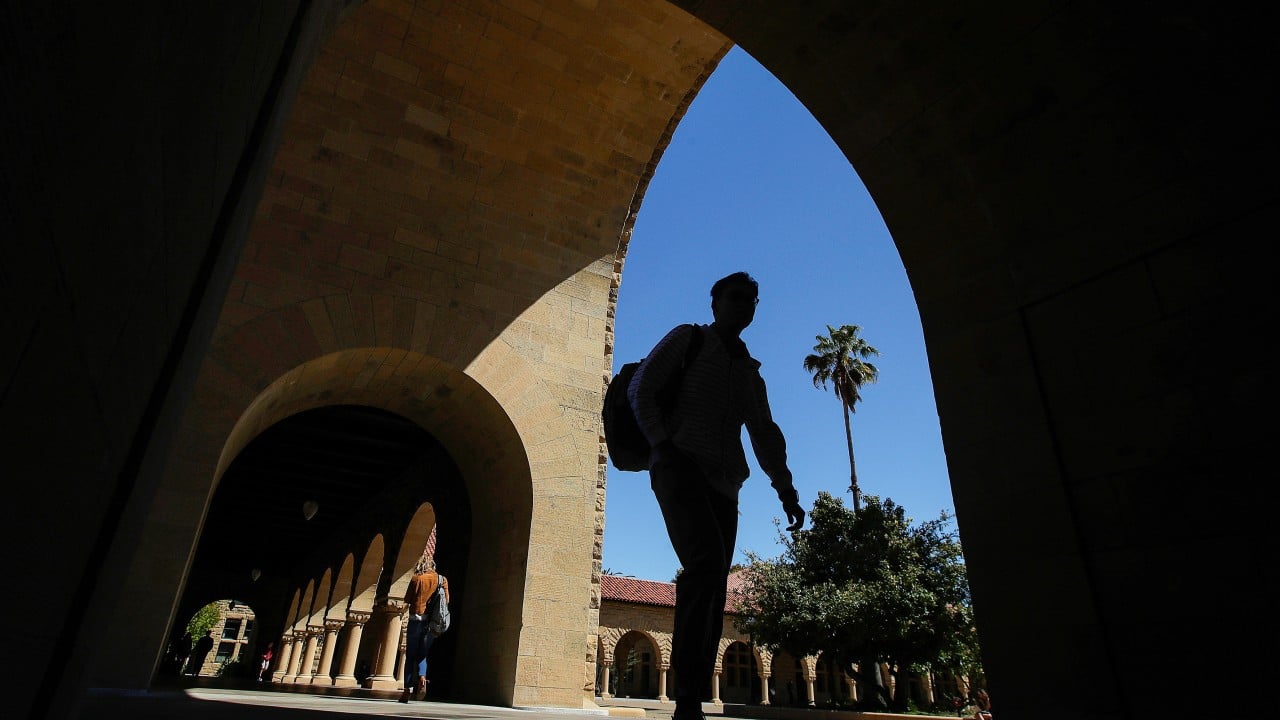
In late August, Chinese students arriving in the United States for academic pursuits face visa processing delays and federal scrutiny, resulting in prolonged uncertainty and mounting anxiety. Visa checks, mandated by US law, allow officials to request supplementary documentation and conduct additional security reviews. Beijing resident Ray Zhou, admitted to a master's programme in computer science, reported that extended background checks have stretched beyond two months, compelling him to postpone his studies to the following year.
The psychological impact has been severe, with Zhou describing a "drastic shift" in his mindset from relief to overwhelming anxiety. Hundreds of Chinese students have shared similar frustrations on social media, as the South China Morning Post has attempted to contact the US embassy in China and the State Department for further insight.
Ray Zhou manages a support group of over 100 students experiencing visa delays and noted that the affected students span various academic disciplines, including business and humanities, which were previously considered low-risk. The definition of "sensitive" under US immigration law has become so extensive that students in non-research fields are also being affected.
Jack Jing, general manager of a migration service provider, explained that while secondary school students typically face three to five weeks of checks, postgraduate candidates in STEM fields can expect two to six months of delays. A PhD candidate in electrical and computer engineering, who deferred her studies to the following spring, expressed emotional distress at having her long-term plans frozen.
The visa bottleneck coincides with a series of tightening immigration policies in Washington, including a proposal to raise fees for skilled worker visas and a suspension of immigrant visa appointments at US consulates. Additionally, international students on F-1 visas will face a reduced grace period from 60 days to 30 after completing their studies.
Despite contacting university authorities and even US senators for assistance, visa applicants are finding little relief. Desperate for expedited processing, some students have fallen victim to online scams promising fast-track approvals in exchange for substantial payments. The psychological toll of this situation is significant, as students grapple with the uncertainty of their future while navigating a complex and unpredictable immigration system.
Written by urgent.news from South China Morning Post's reporting — not their text. Machine-written — may contain errors; check the original before relying on it.
This story
This is one outlet's version. Read the fullest account.