Upcoming Berlin State Election: Where Do the Major Parties Stand?
In three weeks from now, Berliners will be voting. What do the CDU, SPD, FDP, the Greens, The Left and the AfD want?
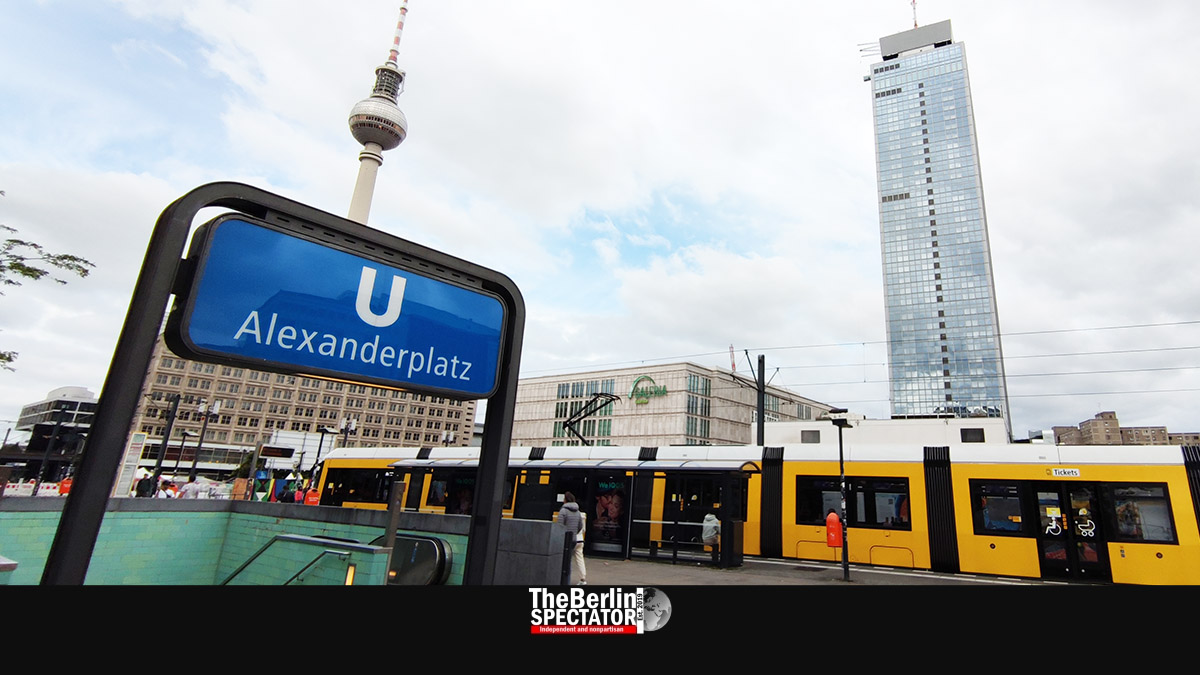
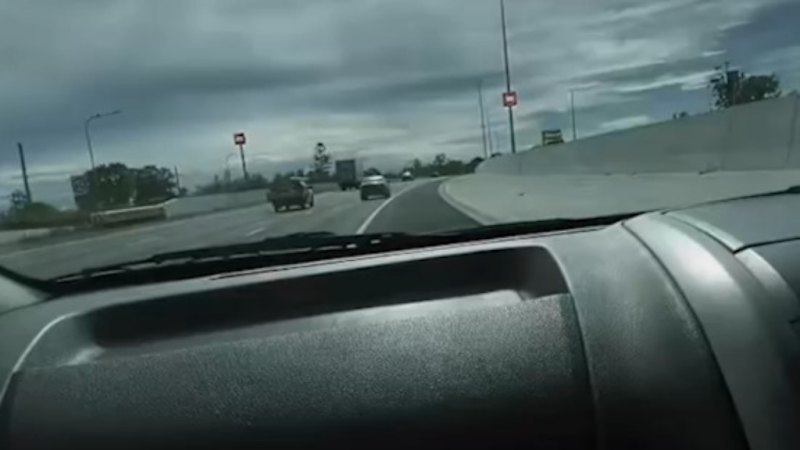
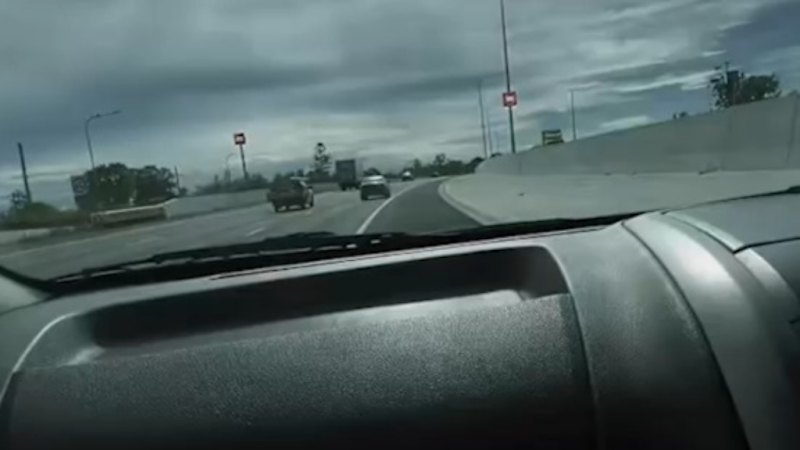
As Berlin prepares to vote on September 20th, the major parties present divergent plans for the city's future. The conservative CDU champions a car-centric Berlin, opposing measures to reduce parking and increase bollards. They advocate for continued expansion of the A100 highway and stricter regulations on e-scooters on sidewalks.
The SPD, a center-left party, proposes reintroducing the Deutschlandticket at 49 euros, a 10-minute transit frequency across the city, and an expanded tram network. They reject further construction of the A100 and maintain a focus on existing roads and bridges.
The Greens, another center-left option, aim to further reduce car traffic, introduce women-only subway compartments for safety, and offer a lower-cost 9-euro Deutschlandticket. They also propose dismantling the domestic intelligence agency. Die Linke, the far-left party, wants transit costs linked to income, including free DeutscheTickets for those who abandon their cars, and an eventual fully fare-free transit system.
The extremist right-wing AfD maintains the necessity of cars, suggesting a pilot district for drone deliveries. They favor private choice of transport, support the A100 extension, and oppose any further reduction in parking. In terms of housing, the CDU avoids expropriating housing from private companies, encourages new construction, and enforces stricter rent control, supporting private home ownership.
The SPD targets the construction of 100,000 new apartments by 2031, with half from public or nonprofit developers, and a "Grundsteuer C" property tax to curb speculative land holding. The Greens propose a rent freeze for publicly owned housing within the first 100 days of their term and a constitutional ban on privatization. Die Linke promises a one-year rent freeze on publicly owned housing and a constitutional ban on privatization.
On security, the CDU prioritizes video surveillance with AI, lowers the criminal responsibility age from 14 to 12, and expedites deportations of foreign offenders. The SPD supports community policing, increased foot and bicycle patrols, and limited police checks. The Greens argue against surveillance-centric security, advocating for decriminalization of fare-dodging and stricter video monitoring restrictions.
Die Linke seeks to shrink police powers, funnel funds towards youth and social work, and abolish the domestic intelligence agency.
The AfD ties security concerns to migration, proposing an asylum admission freeze, a specialized deportation unit, and lowering the criminal responsibility age to 12. The FDP supports a well-equipped police force with special powers in known crime hotspots but firmly rejects mass surveillance.
Education policies also differ among the parties. The CDU aims to preserve the Gymnasium track, introduce mandatory religion or ethics classes, and speed up teacher hiring. The SPD promises tuition-free education, aims to double comprehensive schools, and opposes expanding early-track Gymnasiums. The Greens prefer less pressure on students, more flexible school start times, and twice the capacity of comprehensive schools.
Die Linke seeks to expand comprehensive and secondary school offerings to include Abitur pathways and increase studio spaces for artists. The AfD seeks to reintroduce local-history and woodworking classes in elementary schools, eliminate the lottery system for 30 percent of secondary school placements, and require German flag displays at every school.
The FDP advocates for mandatory extra German lessons during school holidays for language-challenged children and abolishes civil servant status for teachers.
Written by urgent.news from The Berlin Spectator's reporting — not their text. Machine-written — may contain errors; check the original before relying on it.