UN committee presents legal case for broad slavery reparations
The UN anti-racism committee said countries must work to redress the harms caused by slavery and its continuing consequences.
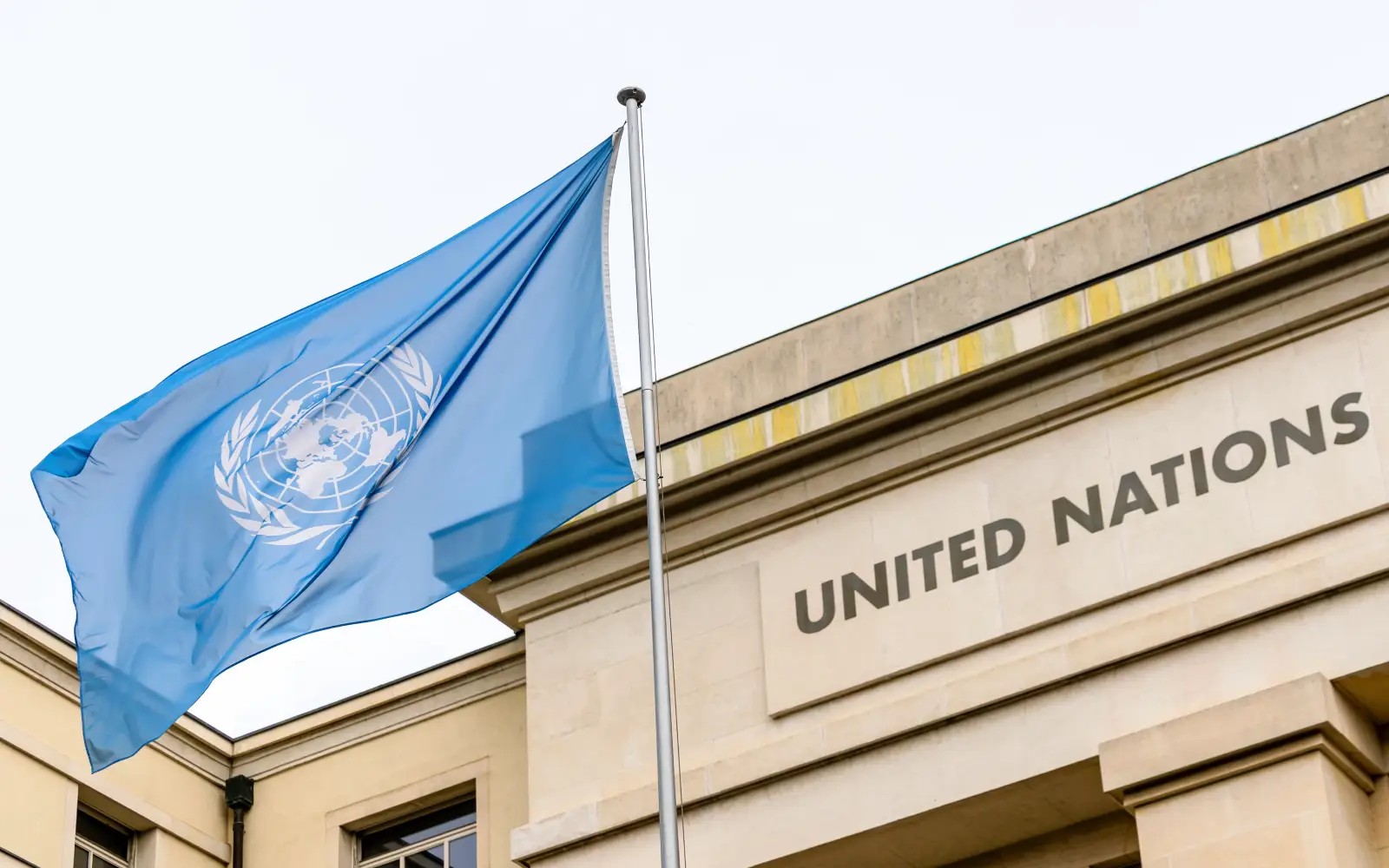
The UN Committee on the Elimination of Racial Discrimination (CERD) has declared that countries bearing some responsibility in the transatlantic African slave trade must provide comprehensive reparations to those of African descent. Issuing a fresh interpretation of the 1969 International Convention on the Elimination of All Forms of Racial Discrimination, the committee contended that states are legally obligated to address both direct and indirect harms caused by slavery and its ongoing consequences.
In its findings, presented in General Recommendation-40, the CERD emphasized that reparatory justice comprises a wide array of measures, including monetary, non-monetary, and structural approaches. The comprehensive reparations should aim to restore the dignity, justice, and equality of people of African descent. While the committee's conclusions are not legally binding, they hold significant weight and can be employed as an interpretive tool by courts and in judicial review.
Pela Boker-Wilson, a member of the CERD panel, expressed that this marks a "watershed moment" and a "paradigm shift" in the framing of reparatory justice from a historical responsibility to a present-day legal obligation. She added that the US and other nations should embrace the new findings, as racial profiling and disparities in the criminal justice system have been identified in the US in recent reviews.
The proposed reparations extend beyond monetary compensation to encompass restitution, rehabilitation, and memorialization, with an educational obligation to disclose the truth about transatlantic chattel slavery.
Written by urgent.news from Free Malaysia Today's reporting — not their text. Machine-written — may contain errors; check the original before relying on it.
This story
This is one outlet's version. Read the fullest account.
- UN committee presents legal case for broad slavery reparations rfi.fr
- UN racial discrimination committee presents legal case for broad slavery reparations euronews.com
- UN committee presents legal case for broad slavery reparations freemalaysiatoday.com
- UN committee presents legal case for broad slavery reparations malaymail.com