Two laws, one test: What Ghana’s data tell us about turning gender-rights wins into everyday reality
Ghana has had a good year for women’s rights on paper. On 30 July 2026, Parliament ratified the African Union (AU) Convention on Ending Violence Against Women and Girls (CEVAWG), making Ghana only the second AU member state, after The Gambia, to do so. It’s the continent’s first legally binding treaty dedicated exclusively to ending […]
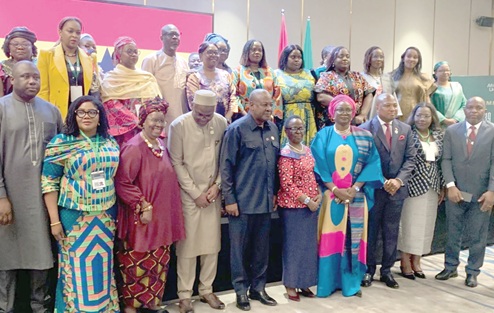
Ghana made headlines in 2024 and 2026 for two significant gender rights advancements. In July 2026, Ghana ratified the African Union Convention on Ending Violence Against Women and Girls (CEVAWG), becoming only the second African country, after The Gambia, to do so. This landmark treaty obligates states to criminalize gender-based violence, fund victim support, and collect evidence to combat the issue.
Two months earlier, on July 30th, 2024, Ghana passed the Affirmative Action (Gender Equity) Act, mandating 30% female representation in public decision-making roles by 2026, rising to 35% by 2028 and 50% by 2030. These two laws were passed on the same anniversary, marking a notable year for Ghana's gender rights agenda. However, the public consensus for these laws already existed beforehand.
A 2022 Afrobarometer survey found that 85% of Ghanaians believe it is never justified for a man to use physical force to discipline his wife, and 64% consider domestic violence a criminal matter. Despite this, more than four in ten respondents reported that women who report gender-based violence may face criticism, harassment, or shame.
The resistance to change lies in willingness to face backlash rather than lack of belief. Both the CEVAWG and the Affirmative Action Act are significant gains, but their effectiveness depends on domestication. The CEVAWG requires Ghana to translate its obligations into enforceable national law, while the Affirmative Action Act needs tools like quotas, budgeting, and enforcement mechanisms to be implemented in ministries, political parties, and boardrooms.
These next steps are crucial to ensure that laws translate into tangible improvements for women's rights in Ghana.
Written by urgent.news from Adom Online's reporting — not their text. Machine-written — may contain errors; check the original before relying on it.
This story
This is one outlet's version. Read the fullest account.
- aYo Ghana wins insurance award ghanaiantimes.com.gh