Trump Has Peaked
The U.S. president will remain disruptive on the global stage, but he is losing his coercive powers.
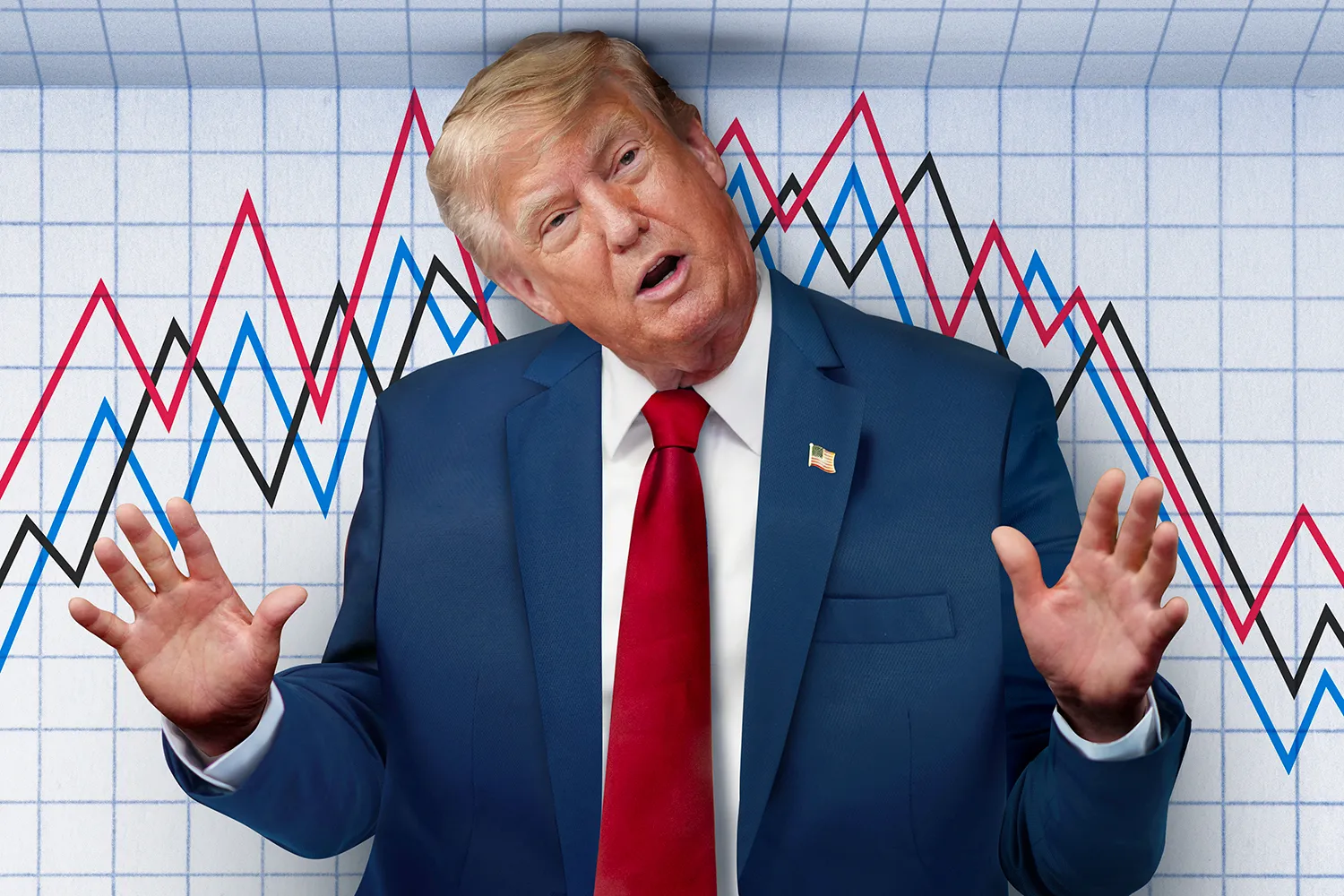
Donald Trump's second term as U.S. president is drawing to a close, and observers are analyzing whether it marked the apex of his global influence. In January 2026, Trump celebrated the new year with a lavish party at his Florida resort, hosting notable guests like Israeli Prime Minister Benjamin Netanyahu and Emirati billionaire Hussain Sajwani.
The evening featured Vanilla Ice playing "Ice, Ice, Baby" and a live speed painter creating an image of Jesus Christ, which Trump promised to autograph and auction for $2.75 million.
Throughout his first 100 days in office, Trump had assembled a cabinet of loyalists, issued more executive orders than any preceding president, and used the Justice Department to target his political opponents. He even ordered a bombing raid on Iran's nuclear facilities in June 2025 while simultaneously positioning himself as a peacemaker capable of ending all wars. Trump also managed to sway Silicon Valley elites, with the world's wealthiest individuals traveling to the White House to curry favor.
However, in early January, Trump announced Operation Absolute Resolve, a military operation to capture Venezuelan President Nicolás Maduro in Caracas. While the mission was bold and successful, it was also illegal and had no lasting positive impact. For Trump, the operation represented a demonstration of his command and a reminder of the immense power vested in the presidency.
Despite his recent successes, Trump's actions have stirred limited international reaction. Maduro's regime, characterized by corruption and lack of allies, posed little threat beyond reinforcing a growing gap in international law. With his actions causing limited blowback, Trump's emboldened stance led him to consider the next move in his geopolitical playbook: seizing Greenland, a Danish territory. Such a move could have destabilized NATO and dominated global attention at the World Economic Forum in Switzerland.
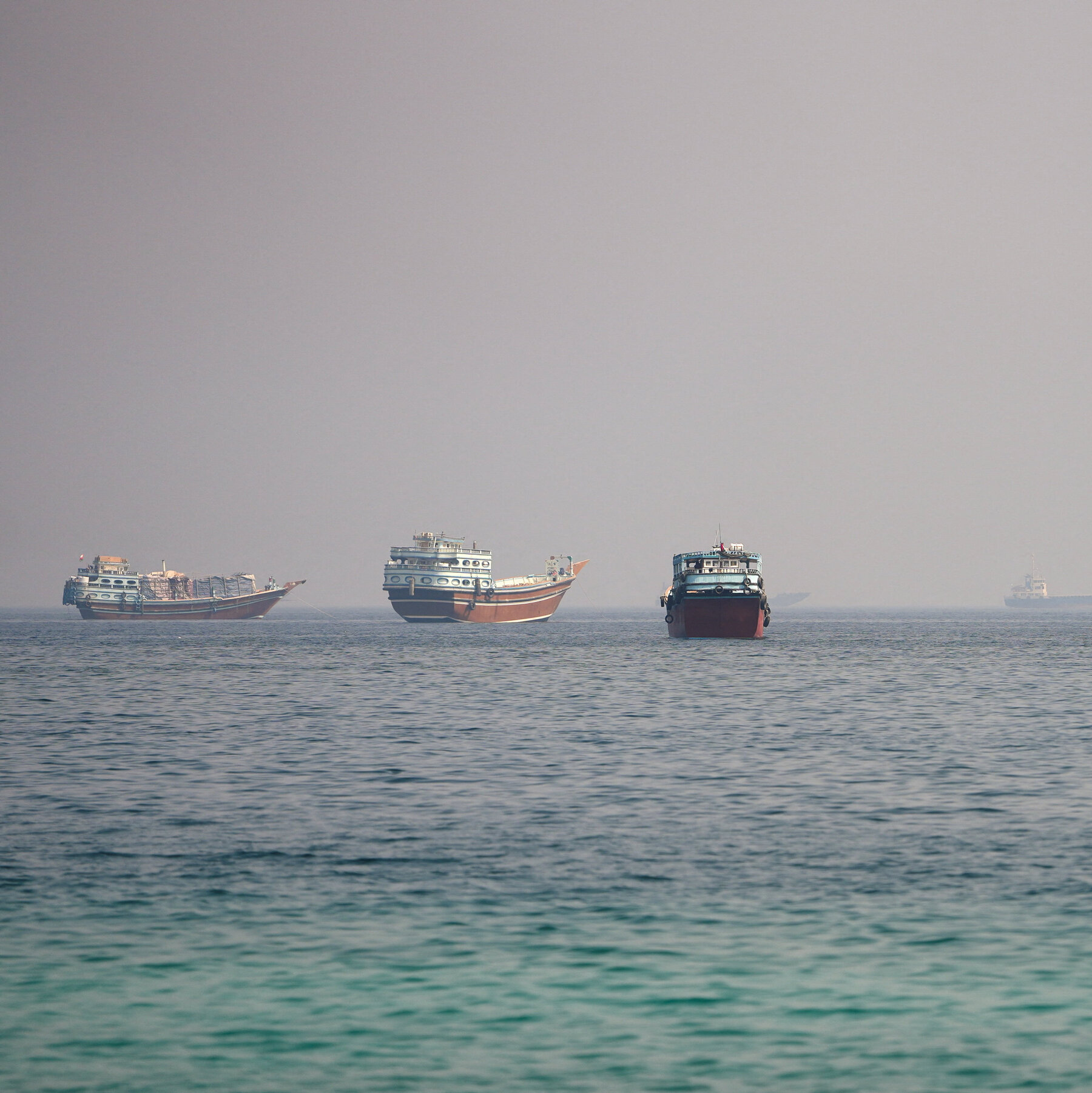
However, Trump's decision to escalate tensions with Iran in February proved to be a costly mistake. The war has strained U.S. resources, increased the cost of living, and tarnished Trump's reputation as one of the least popular presidents in recent history. As his cabinet officials privately express doubts about his leadership regarding Iran, Trump's foreign policy capabilities have dwindled.
The trajectory of Trump's second term suggests that he may look back at the beginning of 2026 as the period when he reached the pinnacle of his influence. However, with the coming decline, Trump must recognize that his leadership era is nearing its end. His decisions, including the unwise war against Iran, have damaged his foreign policy toolkit and, ultimately, his global standing.
Written by urgent.news from Foreign Policy's reporting — not their text. Machine-written — may contain errors; check the original before relying on it.