Transform your yard: 5 plants to put in the ground in September for vibrant fall hues
September planting guide: 5 plants for a stunning fall garden.
After a challenging summer marked by scorching heatwaves and drought, many gardens have suffered from parched and depleted appearances. However, September presents an opportunity to rejuvenate your yard. This month marks an ideal time to plant new species, as the cooler temperatures arrive, ushering in a vibrant fall display. Here are five plants that you can incorporate into your yard this September for a mesmerizing array of autumn shades.
First, consider adding Rudbeckia to your garden. Commonly known as black-eyed Susans, these plants offer a burst of bright color with their golden petals and bold centers. They serve as a striking addition to any fall yard, while being low-maintenance and attracting pollinators. Position them in areas receiving full sun, with at least 6 hours of direct sunlight daily, in well-draining soil.
To prolong their blooming period, deadhead the plants by pinching off the flowers at the base of the stem, or cut them back post-flowering to encourage a second bloom. These plants are suitable for USDA hardiness zones 3-11.
Next, Sedums are an excellent choice for late summer and early fall. They withstand hot, dry weather and provide sustenance for bees and butterflies. Their beautiful seed heads persist into winter, lending a touch of elegance to your garden. Plant them in sunny locations with at least 6 hours of full sun per day. If your soil drains poorly, amend it with sand, grit, or perlite to enhance drainage. Sedums require minimal watering, thanks to their fleshy leaves that store water. They thrive in USDA hardiness zones 3-9.
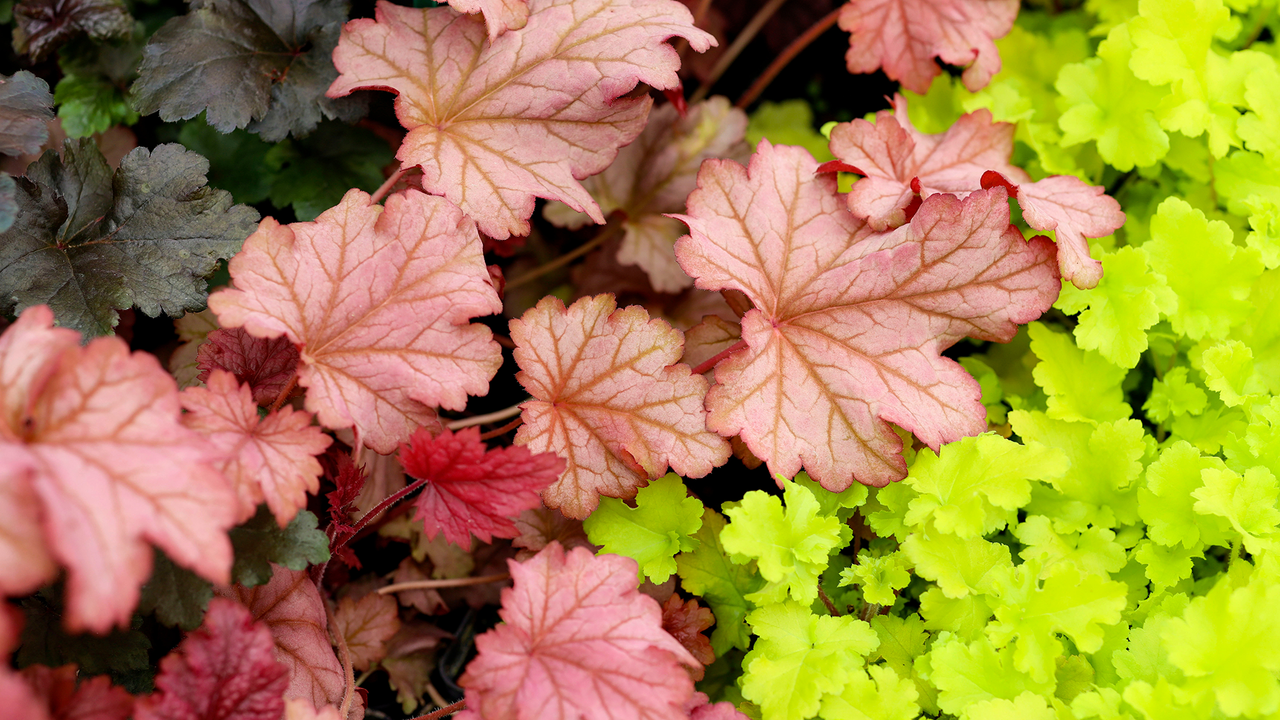
Third, Heucheras are distinctive for their foliage rather than their flowers, making them a showstopper at the front of a border. Lime green varieties provide a vibrant pop of color, while rust-toned options offer a more subdued look. Plant them in rich, well-drained soil where they receive 4-6 hours of direct sunlight daily. If your soil is heavy clay, amend it for better drainage. Space them 1-2 feet apart for optimal growth. Heucheras are suited to USDA hardiness zones 4 through 9, but do verify the specific variety.
Fourth, Japanese Anemones introduce elegant flowers to your garden, adding lightness and graceful motion. Their blossoms brighten any shaded area, creating a striking contrast when planted alongside grasses. Low-maintenance gardeners will appreciate their sturdy stems, which seldom require staking, and their disease resistance. Their late-blooming period offers a feast for pollinators.
Plant them in full sun to partial shade, protecting them from afternoon sun in hot climates. They flourish in moist, fertile, well-draining soil, benefitting from a mulch layer in late fall for frost protection. They are suitable for USDA hardiness zones 4 through 9.
Lastly, ornamental grasses contribute texture and movement to your garden, catching the breeze and giving a natural, relaxed atmosphere. Their delicate seed heads provide visual interest into late fall and winter, while their fine foliage softens hard landscaping and bold plantings. While many ornamental grasses turn golden brown in fall, Pink Muhly Grass produces a pink cotton-candy haze.
For a more understated option, Japanese Forest Grass features golden foliage that shifts to copper and orange. Plant them in sunny locations with at least 6 hours of direct sunlight daily, in well-draining soil. Check the plant label for specific light requirements, as these may vary by species and variety. Most ornamental grasses thrive in USDA hardiness zones 3 through 9.
Written by urgent.news from Tom's Guide's reporting — not their text. Machine-written — may contain errors; check the original before relying on it.