The latest figures for large-sclae manufacturing present two contrasting signals
https://www.dawn.com/news/2026315
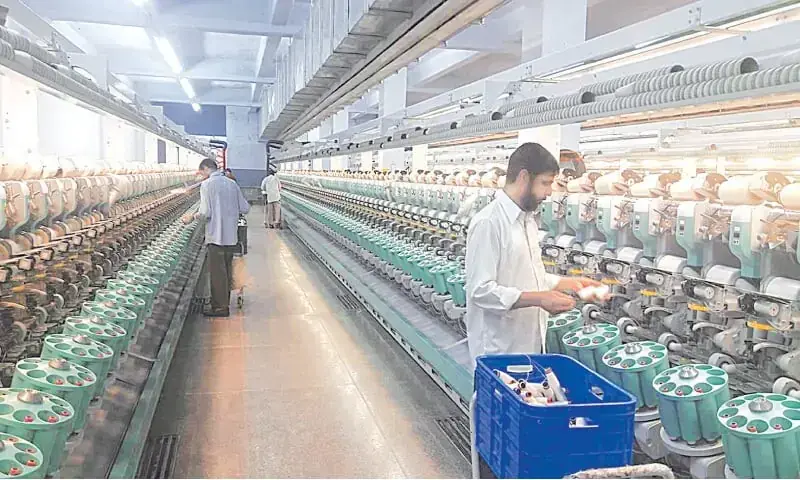
The large-scale manufacturing (LSM) sector in Pakistan shows two contrasting trends in the latest figures. While domestic demand appears to be improving, export-linked industries still face challenges. In FY26, LSM expanded by approximately 6.5 percent after contracting in the previous year, with 16 out of 22 major industrial groups recording growth.
The automotive and transport sector showed the strongest rebound, with passenger-car production rising by more than 51 percent and truck sales increasing by 87.8 percent. Other sectors such as electric vehicles, rubber products, and electrical equipment also contributed to the momentum. Tobacco production and coke and petroleum products also advanced.
However, the improvement is not evenly distributed, as six industrial groups contracted, facing high input costs, changes in raw material availability, and export headwinds. The pharmaceutical industry suffered the most notable contraction due to price deregulation, regulatory friction, and high costs of imported active pharmaceutical ingredients.
Iron and steel products also recorded negative growth. Public-sector infrastructure spending remained subdued, and high financing and energy costs continued to weigh on local steel re-rolling mills.
Fertilizer output fell by about 1.99 percent due to interruptions in gas feedstock supplies and seasonal demand variations. Within the automotive sector, farm tractors were the only sub-segment to decline, with production falling by about 8 percent and sales by roughly 13 percent. The textile sector showed a mixed picture, with finished garments benefiting from recovering export orders, but basic textile industries producing cotton yarn and grey cloth remaining stagnant or experiencing minor contractions.
High electricity tariffs and stiff regional export competition continued to hamper these industries.
The headline 6.5 percent growth deserves closer examination, as the strong expansion in automobiles and food products suggests an improvement in domestic demand. Passenger-car production rose by more than 51 percent, truck sales by 87.8 percent, and food production by 9.8 percent. These movements indicate that households, businesses, and consumers have regained purchasing capacity after a prolonged period of economic weakness.
However, the revival may also reveal the continuing strength of Pakistan's informal economy, where a substantial part of economic activity takes place outside formal corporate structures. Rising consumption indicates that purchasing power exists beyond what formal-sector indicators suggest.
Conversely, the contraction in several export-linked industries, such as pharmaceuticals, chemicals, iron and steel, fertilizers, and basic textiles, suggests that the recovery in external demand has not yet gathered sufficient strength. These industries, which are crucial to the domestic market and industrial supply chain, may indicate that external demand has yet to strengthen.
Therefore, the latest figures present a mixed picture, with domestic demand improving but the weakness of export-related industries signaling that Pakistan has yet to regain its competitive position in international markets. The next phase for industry will be critical, as sustained growth depends on sound policies and the resolution of issues like domestic costs, energy shortages, regulatory uncertainty, and weak investment.
Written by urgent.news from Dawn Business's reporting — not their text. Machine-written — may contain errors; check the original before relying on it.