The Internet Archive just made decades of vintage AI playable in your browser, and it’s fascinating
The Internet Archive's new Vintage Artificial Intelligence collection lets you play decades of chatbots and "thinking machine" software right in your browser.
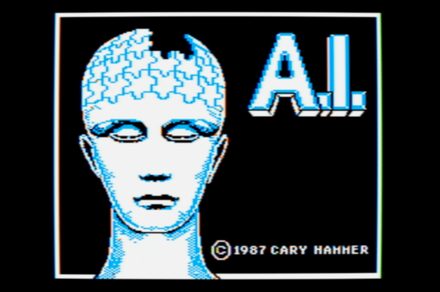
The Internet Archive has recently compiled a collection titled "Vintage Artificial Intelligence," showcasing decades-old software designed to simulate conversations with a thinking machine. Curated by Jason Scott, the collection features emulated programs from the 1970s to the 1990s, all playable directly in a web browser. While these early AI programs lacked true intelligence, they were remarkably convincing in mimicking human interaction.
ELIZA, a program by Joseph Weizenbaum, stands out in the collection as it was designed to act as a therapist, fooling users into believing they were conversing with a real person. Racter, a commercial chatbot from 1985, went further by generating full passages of prose, some of which were even published. Other notable entries include Activision's Alter Ego, a psychologist-designed decision game, and Little Computer People, a program envisioning tiny beings living inside computers.
The collection also includes early autonomous agent games, like Robot War, where players programmed robots to battle automatically. By providing access to these vintage AI programs through web browsers, the Internet Archive offers a fascinating glimpse into the origins of today's AI conversations, demonstrating how far the technology has come over the past few decades.
Written by urgent.news from Digital Trends's reporting — not their text. Machine-written — may contain errors; check the original before relying on it.