Swollen rivers, deep gorges and washed‑out roads hinder Nepal rescue effort as flood toll rises
BIDUR (Nepal), Aug 31 — Nepali rescue teams battled difficult terrain, an unpredictable river and treacherous mars...
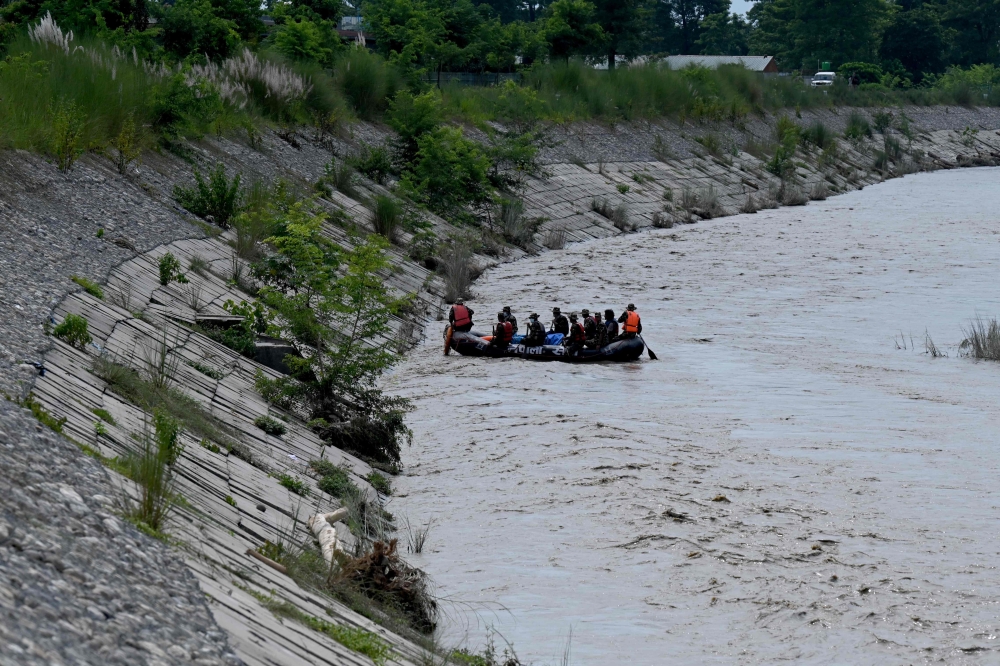
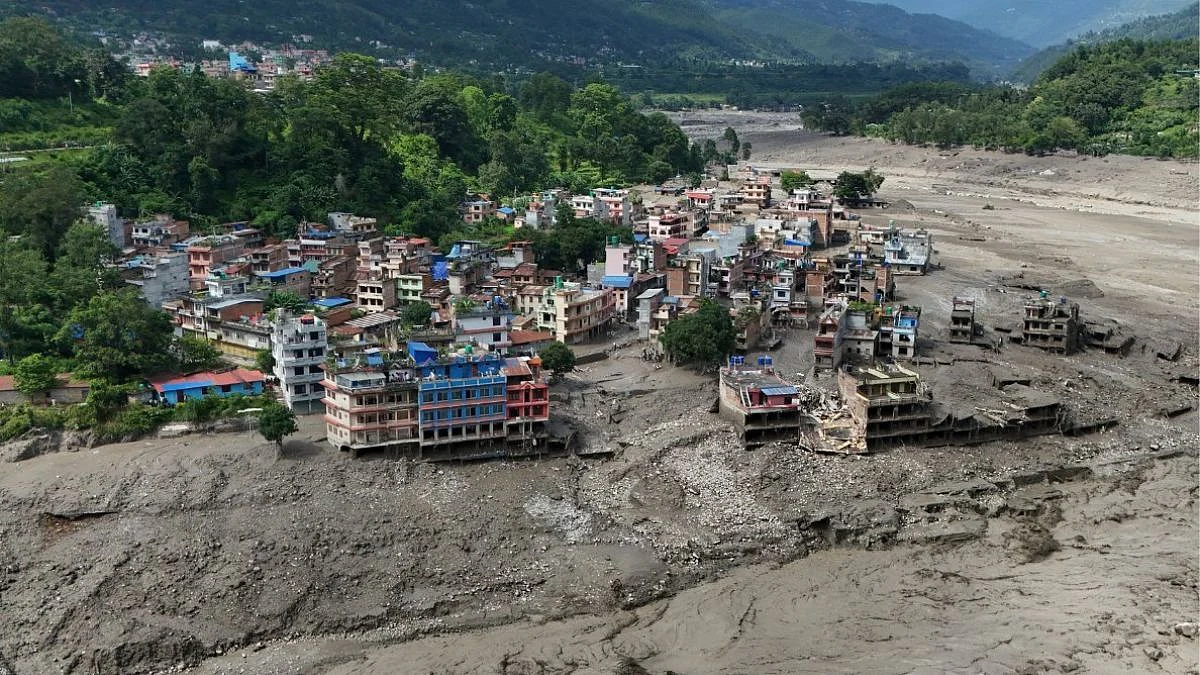
BIDUR, Nepal — Rescue teams in Nepal are navigating a treacherous landscape made up of swollen rivers, deep gorges, and washed-out roads while grappling with the ongoing aftermath of devastating floods. As the death toll rises above 900, and the number of missing individuals reaches over 4,793, the challenges faced by the rescue efforts continue to mount.
Police officer E. Hawadi, coordinating rescue operations in the severely affected Nuwakot district, has lamented the numerous obstacles impeding their progress. "There are too many challenges," he stated. "There are no roads, they have all been washed away, and many areas are just not accessible."
Hawadi's team faces harsh conditions, with floodwaters remaining high in certain areas while the ground in others has transformed into muddy slush, making movement arduous. "It is very difficult for my men. The area is still flooded, and elsewhere it is all marshland," he explained. Entire communities have been uprooted, leaving families homeless and many seeking refuge in temporary shelters.
To overcome the treacherous terrain, rescuers heavily rely on helicopters, which are often the only viable means of reaching stranded communities. However, the limited number of helicopters forces them to return frequently, leaving teams dispersed across a vast disaster zone. Authorities have welcomed reinforcements into Bidur, a small town on the banks of Trishuli River, which has become the central hub for rescue operations.
International support is being sought, particularly from experts capable of locating individuals buried under debris. The mountainous geography poses additional difficulties, with deep and steep gorges presenting unique challenges. Prime Minister Balendra Shah acknowledged the task's complexity, citing adverse weather, difficult terrain, and ongoing risks.
The International Federation of Red Cross and Red Crescent estimates that around 93,000 people may have been affected by the floods, with a significant number of homes destroyed or severely damaged. Over 40 bridges have been rendered inoperable, prompting India and China to send prefabricated Bailey bridges that can be quickly assembled without the need for heavy equipment.
The UN World Food Programme is shipping high-energy biscuits to families who have nowhere to cook. In Bidur, Hawadi expressed concerns over the lack of adequate equipment, including flotation devices crucial for operating safely in floodwaters. The river's unpredictable behavior adds to the challenges, with areas that were previously dry swiftly inundated. Night-time operations have become nearly impossible due to the uncertainty, despite pleas for expedited search efforts.
Written by urgent.news from Malay Mail's reporting — not their text. Machine-written — may contain errors; check the original before relying on it.