Study sheds light on bat immunity mystery
Researchers may have solved the mystery of why bats can carry viruses while rarely becoming seriously ill themselves.
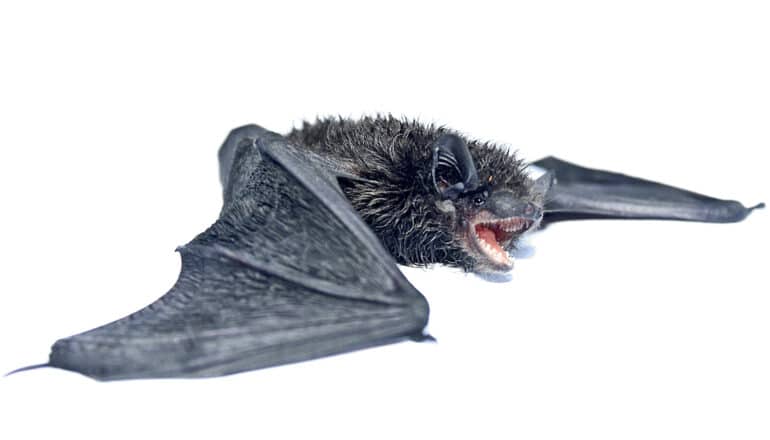
A new study has revealed an intriguing mystery surrounding the immune systems of bats, one of nature's most successful mammals. Scientists from Tulane University, in collaboration with Stanford University and the Centers for Disease Control and Prevention, have discovered that bats possess a unique ability to produce antibodies through two distinct sets of genes, unlike any other known mammal.
This discovery, published in Science Advances, could provide crucial insights into the evolution of immune systems and how bats manage to carry viruses that cause severe disease without falling ill themselves. The research team, led by Tulane University's Hannah Frank, found that bats have two separate heavy-chain gene systems for antibody production, while every other mammal has only one such set.
This discovery may explain the evolutionary success of bats, which are found on every continent except Antarctica and include more than 500 species. Frank emphasizes that this discovery opens new avenues for understanding the immune system's organization in mammals and raises questions about the evolutionary advantages that have allowed bats to thrive.
By examining both the innate and adaptive immune systems of bats, researchers hope to gain a better understanding of how these remarkable creatures coexist with viruses without succumbing to illness. This knowledge could ultimately lead to improved immune strategies for preventing disease spillover across various species.
Written by urgent.news from Futurity's reporting — not their text. Machine-written — may contain errors; check the original before relying on it.