Stocks fall, oil rises as US-Iran conflict threatens energy supplies
AgenciesThe price of oil rose and stocks fell on Wall Street Monday after the US launched its first military action in a month against Iran.The S&P 500 index fell 0.4 percent. The...
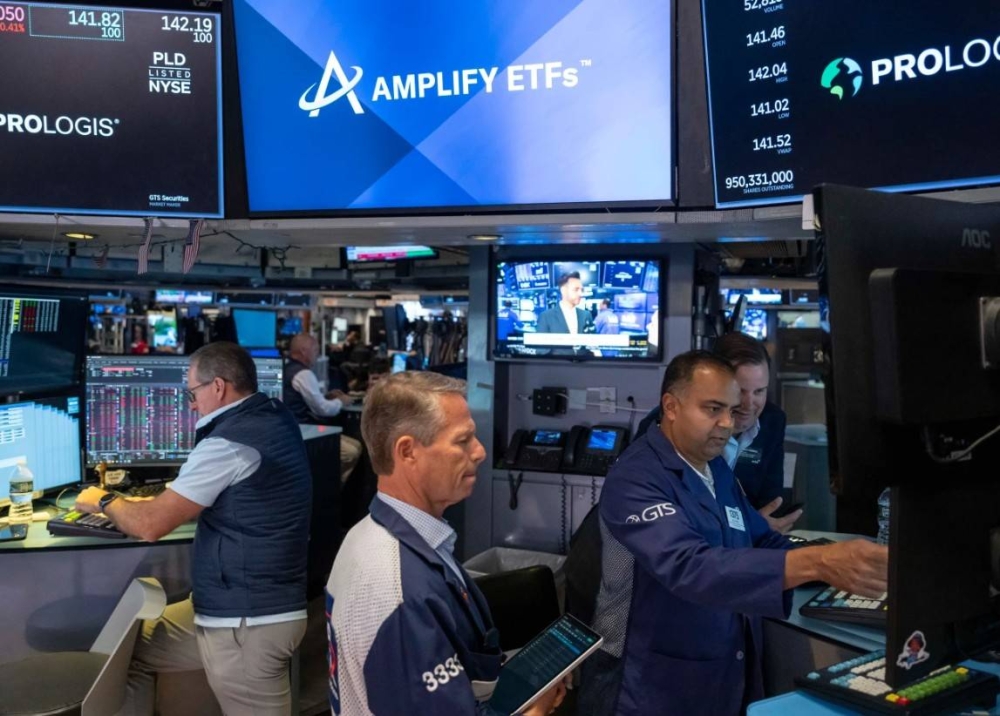
Oil prices surged and stock markets declined on Monday following the United States' first military action against Iran in more than six months. The S&P 500 index dropped 0.4 percent, the Dow Jones Industrial Average fell by 348 points or 0.7 percent, and the Nasdaq slipped 0.3 percent. Energy stocks managed to gain, with Exxon Mobil increasing by 2.9 percent and Chevron rising 3 percent.
Markets had a mixed performance in Europe and Asia. GameStop, a video game retailer, saw a 4.2 percent boost after delivering a preliminary second-quarter earnings outlook that exceeded expectations from the previous year. Aon, an insurance broker, reported a 5.8 percent decline as it finalized a $17 billion deal to acquire USI Insurance Services from private equity firm KKR.
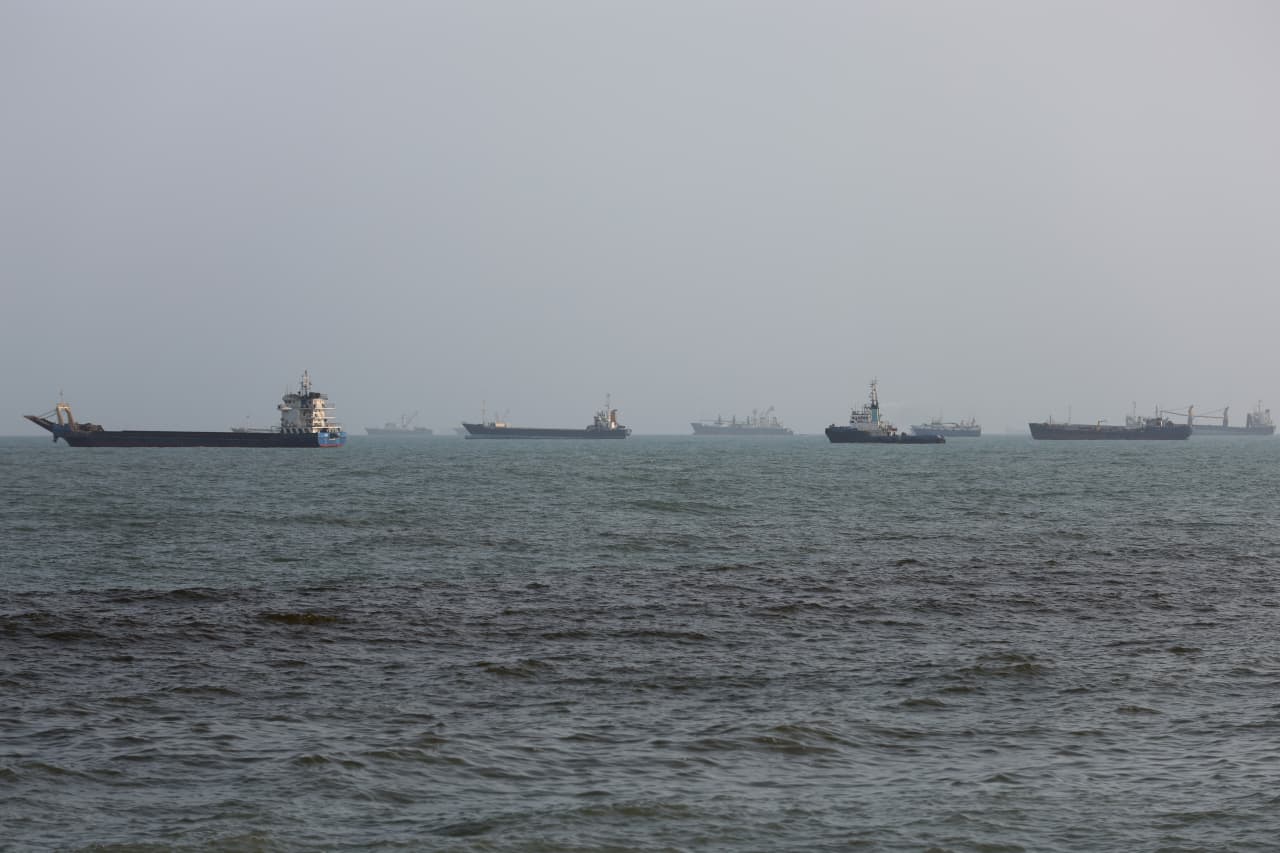
Tensions escalated after US forces struck Iranian rocket launchers in the Strait of Hormuz on Sunday. The United Arab Emirates also intercepted an Iranian drone over its waters on Monday. These actions followed a brief hiatus in the ongoing US-Iran conflict, which has lasted over six months, disrupting traffic in the Strait of Hormuz, responsible for about 20% of global oil shipments.
The price of Brent crude, the international standard for oil, climbed 3.2 percent to $90.91 per barrel on Monday. Its price fluctuated between $72 and $102 last month, reflecting volatile hopes for a resolution to the war. Gasoline prices, already well above $4 per gallon on average in August for the first time ever, have driven inflation to stubbornly high levels.
This inflation has negatively impacted household spending and consumer confidence, creating a complex situation for the Federal Reserve as it contemplates interest rate adjustments.
Inflation remains well above the Federal Reserve's 2 percent target, prompting speculation that the central bank may raise interest rates at least once before the end of the year to curb rising prices. The yield on the two-year Treasury, closely monitoring expectations of Fed actions, reached 4.34 percent, up significantly from the beginning of the year.
The 10-year Treasury yield also climbed to 4.76 percent from 4.73 percent late Friday, bringing it closer to the level seen two weeks ago when the Trump administration intervened in the bond market. Although the job market remains robust, preliminary signs of weakening suggest that further interest rate hikes could negatively impact employment.
The US will release August jobs data later in the week, with July reporting a surprise 23,000 job loss, followed by revisions that added back 103,000 jobs from May and June.
Written by urgent.news from Qatar Tribune Business's reporting — not their text. Machine-written — may contain errors; check the original before relying on it.