Should we all be taking low doses of lithium to prevent Alzheimer’s?
Animal studies have shown that lithium orotate could help stave off dementia, and a human trial is about to start to see if the effects hold. Columnist Alice Klein takes a look at the benefits and downsides of lithium
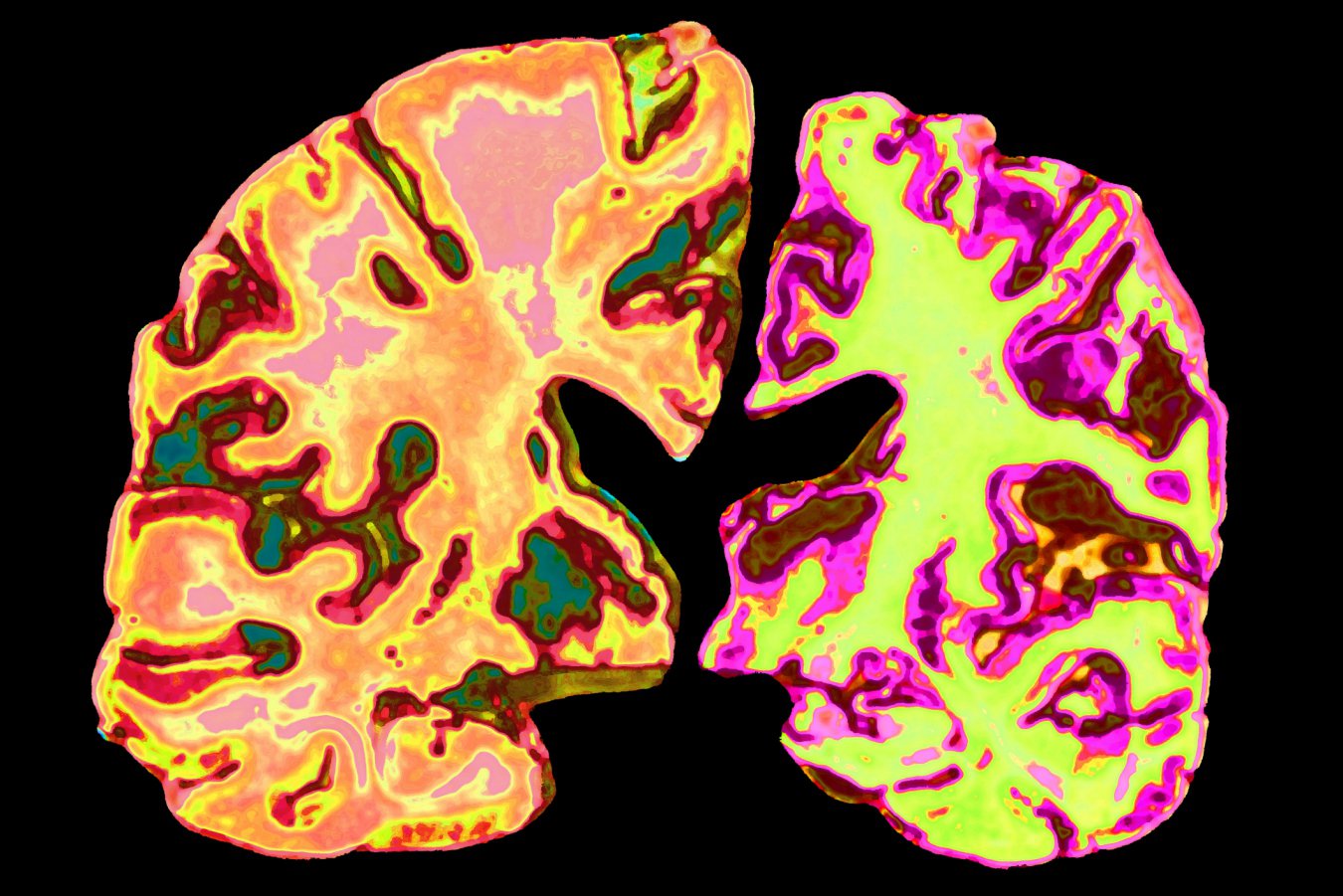
The "Crazy Well" of Texas, where a woman reportedly recovered from dementia, has been linked to lithium in its groundwater. This has sparked interest in lithium's potential to prevent or treat dementia. A forthcoming clinical trial at Johns Hopkins University will test lithium orotate, a form of lithium salt, for early Alzheimer's patients.
Previously, research from Harvard University showed that lithium orotate reversed memory loss in mouse models of Alzheimer's. Additionally, a study by Hyeong-Moo Shin at Baylor University found that counties with low lithium levels in drinking water had higher dementia rates. However, a 2020 study by Bruce Yankner's team at Harvard found that lithium orotate reversed memory loss in mice, possibly due to reduced glycogen synthase kinase-3 beta (GSK-3 beta) enzyme activity that inhibits neurodegeneration.
Despite these promising findings, a 2022 trial of lithium carbonate in humans found no benefit for those over 60 with early memory loss. Caution is advised as excessive lithium intake can lead to side effects and toxicity. While lithium may reduce suicide and crime rates, more research is needed to confirm these associations.
Written by urgent.news from New Scientist's reporting — not their text. Machine-written — may contain errors; check the original before relying on it.