Shares skid in Asia as oil, yields stay high
Asia's stock markets experienced a decline on August 31 as tensions between the United States and Iran escalated, driving up oil prices, while bond yields remained elevated following reduced expectations of a U.S. rate hike. Brent crude futures increased by 1.4% to $89.38 a barrel after U.S. forces targeted two Iranian launchers on Larak Island.
Iran responded by striking U.S. forces in Jordan. This geopolitical strife heightened inflation concerns, prompting investors to push up the probability of a September rate increase to 57%, which led to a steep rise in short-term Treasury yields and a flatter yield curve. JPMorgan's chief U.S. economist, Michael Feroli, stated that a rate hike was not anticipated until December but acknowledged the September meeting was still possible.
Furthermore, Federal Reserve Chair Kevin Warsh's comments indicated a willingness to tighten policy to combat inflation. Key factors influencing the likelihood of an early rate hike include the upcoming August payrolls report and the consumer price data slated for September 11. Analysts expect a job growth surge of 58,000, following July's steep 23,000 job loss, with unemployment staying at 4.1%.
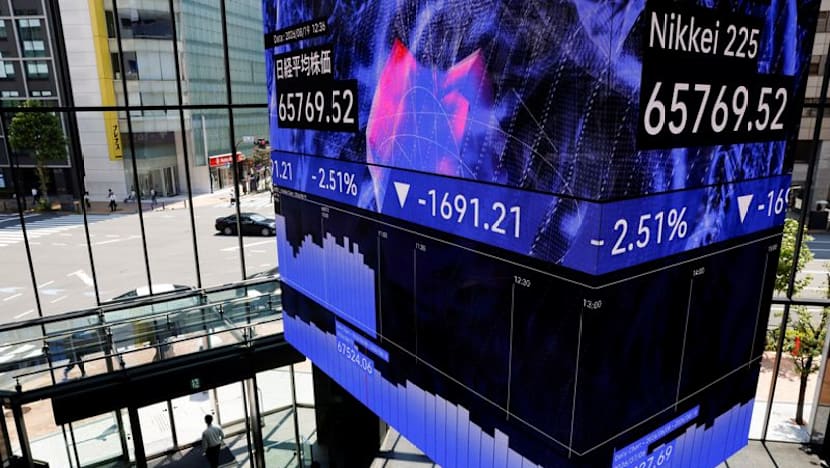
To curb inflation risks, New Zealand's central bank is expected to raise rates for the second consecutive meeting on Wednesday, while the Bank of Canada is expected to remain on hold due to the potential economic impact of a U.S.-China trade war. Higher yields, coupled with geopolitical instability, contributed to Japan's Nikkei dropping 2.1%, while South Korean stocks lost 2.4%.
The MSCI's Asia-Pacific index outside Japan fell 0.7%, and Europe's EUROSTOXX 50 futures declined 0.5%. On Wall Street, S&P 500 futures decreased by 0.3%, and Nasdaq futures slipped 0.5%. The U.S. dollar gained above 160 yen, remaining above the July peak of 163.99. Two-year Treasury yields remained at 4.36%, following a surge of nearly 12 basis points on Friday.
Meanwhile, 30-year bond yields showed relative stability at 5.2080%, with investors finding some reassurance in Kevin Warsh's focus on inflation management. The euro strengthened slightly to $1.1591, following a 0.6% drop on Friday due to Warsh's speech. Upcoming EU inflation data is anticipated to reinforce the market's expectations of another European Central Bank rate hike on September 10.
In terms of commodities, U.S. crude oil increased 1.3% to $84.50 a barrel, while gold marginally rose to $4,454 an ounce after shedding 3.2% on Friday due to the sharp rise in yields.
Written by urgent.news from Channel News Asia's reporting — not their text. Machine-written — may contain errors; check the original before relying on it.
This story
This is one outlet's version. Read the fullest account.
- Shares skid in Asia as oil, yields stay high brecorder.com
- Shares skid in Asia as oil, yields stay high freemalaysiatoday.com
- Shares skid in Asia as oil, yields stay high investing.com
- Shares skid in Asia as oil, yields stay high channelnewsasia.com