‘Sever Displeasure’ censure in Poonch case shows Indian Army holds its own to account
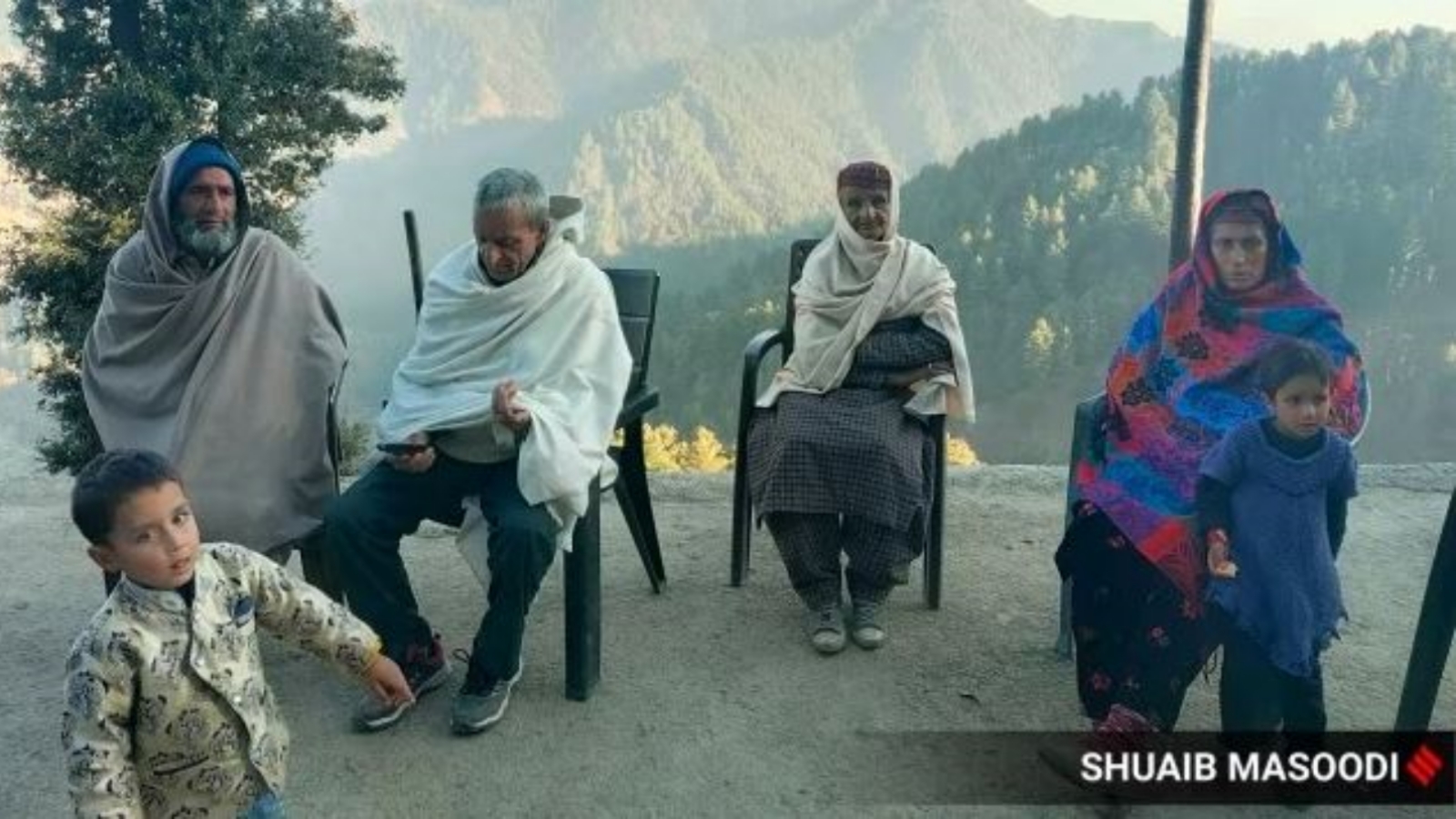
In December 2023, four Indian Army soldiers lost their lives in an ambush in Poonch. The tragedy resulted in the deaths of three local civilians as well. An Armed Forces Tribunal upheld a "severe displeasure" censure against the Rashtriya Rifles Sector Commander, a Brigadier. This ruling is a clear demonstration of the Indian military's commitment to internal accountability and command responsibility.
The tribunal's decision contrasts starkly with the alternative of external intervention, thereby emphasizing the armed forces' robust self-regulating internal accountability mechanisms to address operational lapses. The Army distinguishes between two types of penalties: disciplinary and administrative. Disciplinary actions, which can lead to imprisonment, loss of rank, or dismissal, are typically administered through court-martial for serious offenses under the Army Act.
Administrative action, however, pertains to lapses in leadership, judgment, and oversight that, while serious, may not merit a full trial. A "severe displeasure" censure, although seemingly minor, carries significant implications for career progression. The Indian Army has a zero-tolerance policy towards human rights violations.
Although errors of judgment can occur in high-pressure combat scenarios, intentional breaches are met with the utmost seriousness. The rejection of the officer's appeal by the Tribunal does not merely validate an administrative action; it underscores the military's moral clarity and institutional machinery to uphold the highest ethical standards internally.
This ruling goes beyond being merely an administrative footnote, as it reaffirms the Indian military's adherence to internal accountability and command responsibility. By validating an internal administrative measure over external scrutiny, the tribunal showcases the armed forces' ability to handle operational lapses independently, without needing outside interference.
The Army's response to the Poonch incident exemplifies self-correction rather than blame-shifting or deflection. Instead of waiting for external oversight, the Army initiated its own Court of Inquiry, thereby holding the Sector Commander accountable for severe lapses in command oversight and control. This landmark decision solidifies the principle of command responsibility, which holds a superior responsible not only for what he orders but also for what he fails to prevent when he neglects to supervise, train, and discipline his troops.
By applying this principle to the Poonch incident, the Army has once again confirmed the sophistication of its internal legal mechanisms in holding commanders accountable, irrespective of rank, without needing external intervention. Importantly, this decision provides clarity to the ongoing debate surrounding the Armed Forces Special Powers Act (AFSPA).
Section 7 of AFSPA safeguards personnel acting in good faith from prosecution by outside agencies, provided they receive prior sanction from the central government. However, this protection does not exempt the Army from internal departmental review. This aspect is crucial, as it demonstrates that the military does not use AFSPA to hide from basic discipline.
Rather, it employs the Army Act to ensure that emergency powers are matched with even higher professional standards. The ruling also reiterates the Army's core ethos: that its legitimacy rests on professional discipline, even when confronting a brutal adversary. The Armed Forces Tribunal's decision carefully navigates the emotional fallout of combat, reinforcing the Army's doctrine that human grief and the natural impulse for retaliation must yield to the strictures of law.
This approach does not weaken the chain of command but instead fortifies it, proving that the military's "winning hearts and minds" doctrine is deeply ingrained in operational reality, and not merely a public relations exercise. Ultimately, this kind of internal resolution strengthens the force rather than compromising morale or hindering high-stakes operations.
In fact, such internal correction strengthens the force, assuring the rank-and-file that they serve in an institution governed by honor, fairness, and clear boundaries. This internal corrective mechanism is not unique to the Indian Army. In 2010, following a "staged" encounter in the Machil sector where three civilians were killed and falsely labeled as terrorists, the Army conducted disciplinary proceedings and sentenced the personnel to life imprisonment.
Similarly, in July 2020, in Amshipora, when three laborers were killed and falsely branded as terrorists, the Army initiated its own inquiry, declared a violation of AFSPA provisions, and court-martialed an officer for violating Standard Operating Procedures. Globally, the Indian soldier is celebrated for discipline, as evidenced by their professional conduct during the Kargil conflict in 1999.
When Pakistan refused to acknowledge the bodies of their own soldiers, left on the icy heights, it was Indian soldiers who collected them, offered prayers, and buried them with full military honors under the Geneva Conventions. This incident highlights the trust that the local population places in the Indian Army during counter-insurgency and counter-terrorism operations.
The Army recognizes the importance of maintaining this trust, as any perceived impunity can quickly erode the very fabric of confidence that underpins successful counter-insurgency efforts. In an era where institutions often falter under scrutiny, the Indian military has demonstrated a mature approach by investigating its own senior leadership, validating administrative censure internally, and proving that true power lies in absolute accountability.
The buck truly stopped at the top in Poonch, making this case a blueprint for future military conduct: a testament to an Army confident enough to correct itself and protect both national security and its institutional integrity.
Written by urgent.news from The Indian Express's reporting — not their text. Machine-written — may contain errors; check the original before relying on it.