September risks are stacking up hard and fast for world markets
Traders will return from their August breaks to a host of risks for markets, including rising concern about high government debt and prolonged inflation.Here are some key things to watch.HOW MUCH LONG...
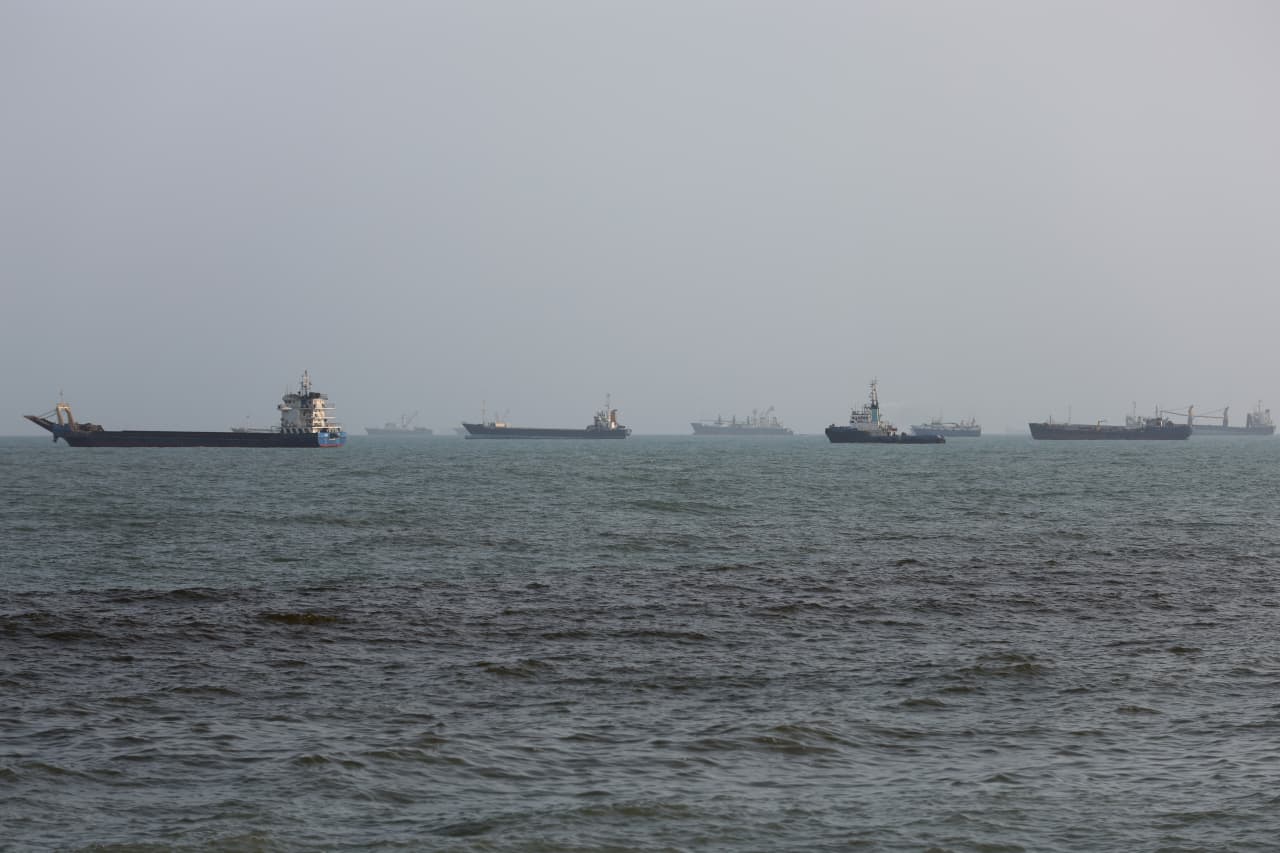
As markets open on September 1st, investors face a plethora of risks, from high government debt to persistent inflation. The ongoing conflict in Iran has been a major catalyst for market volatility, with oil and gas prices fluctuating as traders speculate on the fate of the Strait of Hormuz. This has benefited energy stocks while putting pressure on big energy consumers and government bonds.
The Federal Reserve and Bank of Japan meet on the same week, a potential double whammy of volatility. Fed Chair Kevin Warsh's hawkish speech at the Jackson Hole meeting may have fueled expectations for a September rate hike, but traders remain cautious. The Fed's communication strategy and credibility are under scrutiny, as how they convey their policy stance could significantly impact global interest rates.
In Japan, bond markets are eagerly awaiting a Bank of Japan intervention to boost the yen, with September 18th expected to see a hike. The tone set by the BoJ governor could reshape the yield curve. Meanwhile, Anthropic, a tech firm poised for a $100 billion public listing, may pose risks as markets absorb the surging bond sales required for capital expenditure.
Anthropic's potential $1 trillion valuation would make it one of the world's largest listed companies, but investor confidence in this theme is uncertain. Nvidia, Microsoft, and other stocks already priced for AI infrastructure demand could suffer if AI enthusiasm wanes.
In France, the government's budget submission to the National Assembly looms, as it seeks to control the deficit ahead of the 2027 presidential election. Yields on French bonds (OAT) could rise, but analysts believe this won't undermine the euro debt construct.
Germany, under Chancellor Friedrich Merz, may face challenges as his popularity plummets due to political mishaps. The far-right AfD could outperform Merz's party in some state elections, potentially affecting German bonds.
In Britain, new Prime Minister Andy Burnham's growth-oriented policies haven't sent markets into a frenzy. However, his efforts to manage constrained finances could shift investor sentiment. The October budget and Labour Party Conference in September will be crucial tests for Burnham and finance minister John Healey. The UK's 10-year borrowing costs are high but have eased from 18-year peaks.
As US midterm elections heat up in September, campaigns could influence policy. Consumers are bracing for gasoline prices above $4 a gallon, a stark contrast to January's $3 average. President Trump's stance on higher prices to defeat Iran has sparked debate, but some analysts suspect he wants prices to drop ahead of the election. Treasury Secretary Scott Bessent's efforts to lower borrowing costs are crucial for US markets.
Written by urgent.news from Gulf Times Business's reporting — not their text. Machine-written — may contain errors; check the original before relying on it.