September 2026 Satellite Puzzler
Here’s the August 2026 puzzler. Quick, where is this? And what makes this place interesting or unique?
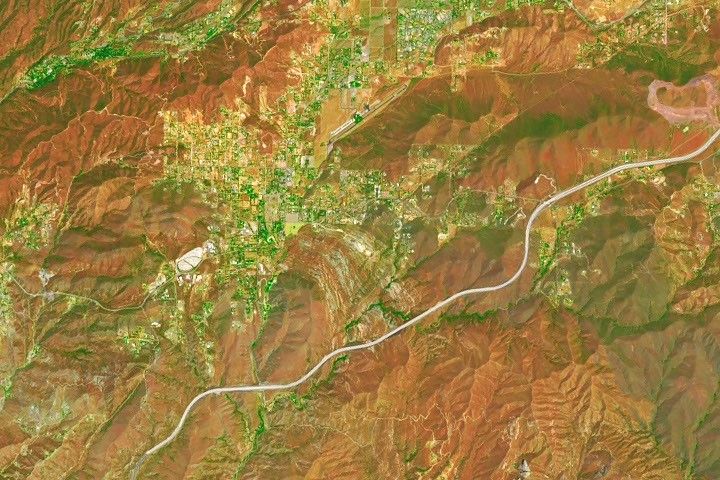
Every month, NASA Earth Observatory presents a puzzling satellite image for enthusiasts to decipher. In September 2026, an intriguing satellite image was released, sparking curiosity among observers. The challenge lies in identifying the location depicted in the image, accompanied by a brief description of the clues noticed, the suspected location, and the uniqueness of the place.
To participate, submit your response through the provided form, selecting “Puzzler Answer” as the topic. Include your preferred name or alias, which could be as simple as a guess of the location. Those eager to impress can provide additional details such as the satellite and instrument that captured the image, the spectral bands utilized, or any subtle geological or historical aspects of the area.
This challenge invites participants to explore the image closely, identify hidden details, and share personal connections or significance associated with the location. While there's no monetary prize or opportunity to journey into space, the reward is a sense of accomplishment and recognition as the first to correctly guess the location. Winners will be acknowledged on the page, along with those who offer especially insightful or intriguing responses.
By submitting a response, participants agree that their comments may be edited, excerpted, and published on the page. Until then, immerse yourself in the satellite image, analyze it meticulously, and enjoy the thrill of the challenge. Await the reveal to discover the answer and the accompanying Earth Observatory Image of the Day story that provides further insights into the puzzling satellite image.
Written by urgent.news from NASA's reporting — not their text. Machine-written — may contain errors; check the original before relying on it.
Also reported by 1 other outlet
- September 2026 Satellite Puzzler science.nasa.gov