Russian economic boom over as GDP growth expected to plummet through 2032
The Russian economy is facing years of sluggish growth with GDP gains not exceeding 2% annually through 2032, a sharp decline from the 4% expansion seen during the peak wartime boom of 2023–2024, according to a consensus forecast by Russia’s HSE Development Center.
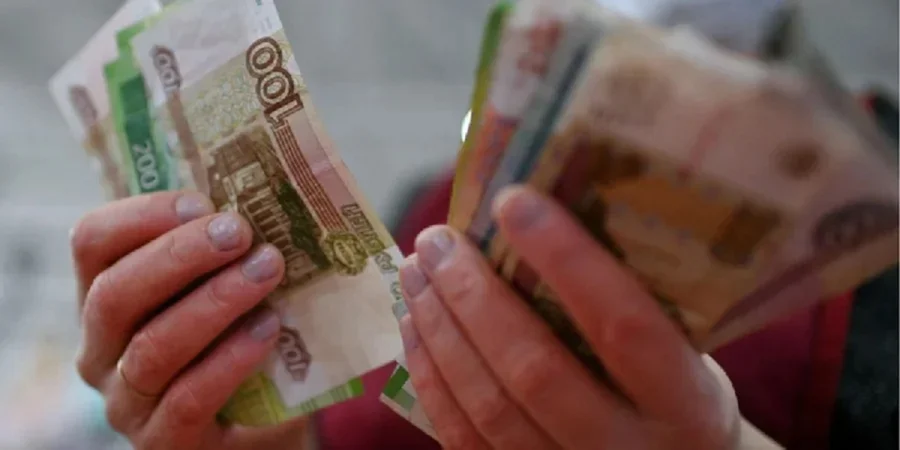
The Russian economy is set to experience a significant slowdown, with global growth forecast at 3.2% annually through 2031. In contrast, Russia's growth is expected to remain below 2%, shrinking to just 2% by 2032. This would mean Russia lags far behind the global economic growth rate. The IMF predicts Russia's GDP will grow by less than half the global rate, expanding by just 8.9% over the next six years compared to a global total of 20.5%.
Even among developing nations, Russia's growth would trail by a large margin, growing at only 27%, compared to the 4% or more forecast for other emerging economies. The gap widens when compared to other developing economies, which are projected to grow at over 4% annually, resulting in a 27% expansion over the same period. Pro-government economists argue that Russia must raise its annual growth rate to at least 3.5% over the next decade to meet critical economic needs.
However, independent experts argue these growth targets are unrealistic, citing structural issues in investment, technology, and human capital. Russia's technological isolation and decline in domestic investment, combined with a shrinking workforce, have created an acute labor shortage. The country's population is projected to drop to 138.8 million by 2046, adding to the economic challenges.
Projections indicate that Russia will remain stagnant economically until significant policy changes occur. Analysts predict that the economic situation will worsen if the ongoing conflict continues, with a potential ceasefire or peace agreement offering the only path to a more positive economic trajectory.
Written by urgent.news from New Voice of Ukraine's reporting — not their text. Machine-written — may contain errors; check the original before relying on it.
Also reported by 1 other outlet
- Govt reforms, agile economic management bearing results: Nirmala Sitharaman on 7.8 pc Q1 GDP growth economictimes.indiatimes.com