RTÉ 100: The slow evolution of news broadcasting
This year, RTÉ is marking 100 years of public broadcasting in Ireland, with a year-long series of special broadcasts, projects and performances.
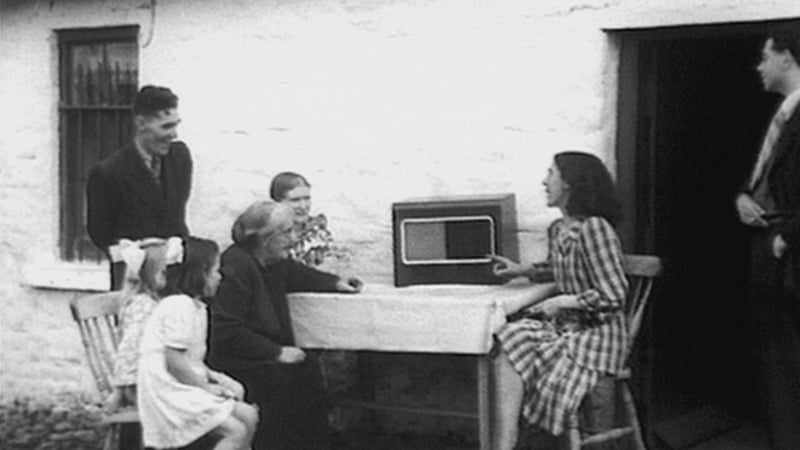
In January 1926, Dr Douglas Hyde officially launched the Irish state's first public radio service, 2RN, marking the beginning of an era for news broadcasting in Ireland. At the launch, Dr Hyde emphasized that this new venture would help the nation take its place among other nations globally. Initially, the radio service focused on music and entertainment, with news slowly evolving.
However, the emergence of radio brought both excitement and anxiety. It was the first time media could reach people's homes, but there were concerns about potential propaganda and the sheer power of radio. During the war, Irish radio faced the challenge of maintaining a neutral stance, often relying on the BBC for war news. The service also had to consider the impact of weather updates on political decisions.
By the 1930s, 2RN began to attract more advertising and sponsorship, allowing for expansion of news services. The archives contain various highlights, including coverage of the World Eucharistic Congress in 1932 and the Constitution Day parade in 1937. As the 1930s ended, the looming threat of World War II influenced the news service, with Irish listeners often getting war news from the BBC due to Ireland's neutrality.
In the 1950s, the news service grew, with more daily bulletins and specialized coverage like City News for Dublin and Provincial Roundup for rural news. One of the earliest examples of a news programme in the archives is the City Reel, which began in 1954.
Written by urgent.news from RTE News's reporting — not their text. Machine-written — may contain errors; check the original before relying on it.