Pakistan’s cotton sector is shrinking and the numbers explain why
https://www.dawn.com/news/2026319
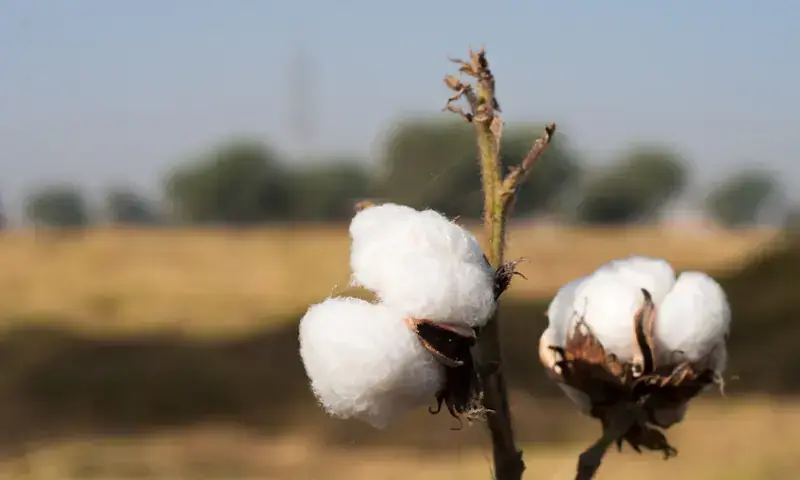
Pakistan's cotton sector is experiencing a significant decline, with average yields falling to 14-16 maunds per acre, down from historical levels of 40-50. This drop in productivity has forced farmers to shift towards more profitable crops like rice and sugarcane. The decline is attributed to stagnating yields, lower-quality seeds, and restrictions on importing new genetic material to boost production.
Shahzad Ali Malik, CEO of Guard Agricultural Research & Services, highlights that as long as there is a profit to be made, farmers will opt for higher-yielding crops. The government has set a minimum yield of 25 maunds per acre for new cotton seed varieties, which is significantly lower than the historical standards. This has made cotton less competitive compared to other crops such as rice and sugarcane.
The consequences of this decline are far-reaching, with around 150 ginning factories closing down due to a lack of raw cotton. The textile industry, which accounts for 55-60% of Pakistan's exports, is also suffering as a result. Independent data from the International Cotton Advisory Committee shows that Pakistani farmers produce only 1.7 tonnes of seed cotton per hectare, while China and Australia produce 6.6 tonnes and 5.1 tonnes respectively.
To revitalize the cotton sector, Pakistan needs to introduce new, high-yielding cotton varieties, according to Malik. However, bureaucratic hurdles have hampered efforts to bring in new genetic material. Although some Bt hybrid varieties showed superior adaptability and higher yields in experimental trials, obtaining commercial import permits has been a lengthy and difficult process.
Written by urgent.news from Dawn Business's reporting — not their text. Machine-written — may contain errors; check the original before relying on it.