Our Antarctic legacy and the spirit of Merdeka — Goh Hong Ching
AUGUST 31 — Every August 31, Malaysians celebrate Merdeka with pride, remembering those who secured our independen...
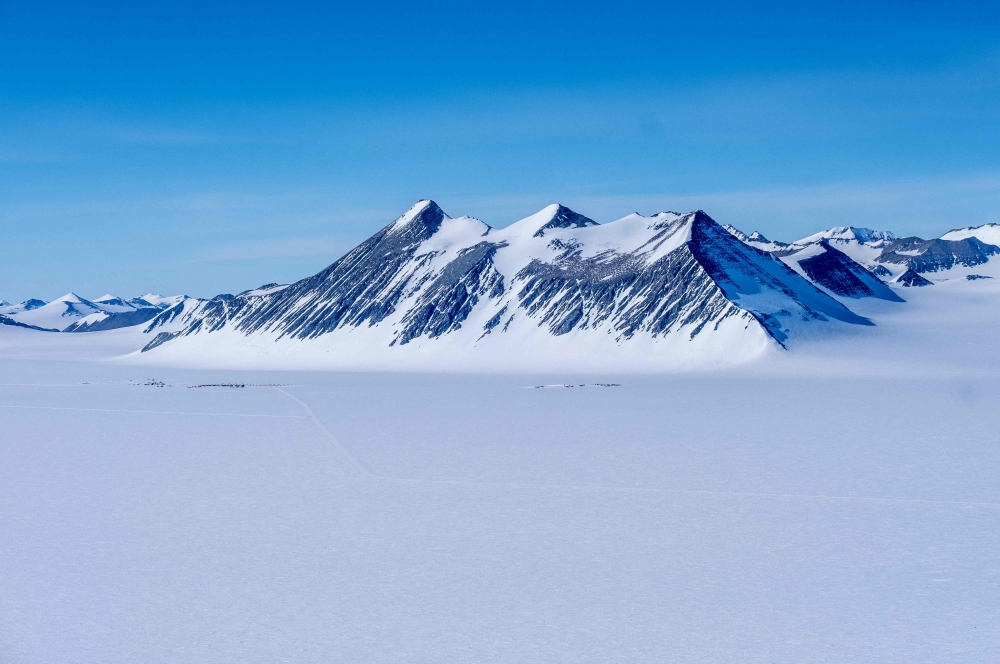
Every August 31, Malaysians celebrate Merdeka with pride, honoring those who secured our independence and contemplating how Malaysia plans to advance its position in the international community. However, Merdeka represents more than retrospective reflection; it signifies the confidence to chart our future course, including our role beyond our borders. One lesser-known chapter in this narrative takes us to Antarctica, the farthest and least accessible place on Earth.
In 1982, Malaysia joined a group of developing countries questioning the governance of Antarctica. Tun Dr Mahathir Mohamad urged the United Nations that decisions regarding the continent should reflect the interests of the global community rather than a select few. This was not a territorial dispute but a call for fairness and representation.
Over four decades later, this argument remains pertinent. Events in Antarctica, such as changes in ice, ocean dynamics, and ecosystems, have global implications, affecting Malaysia and the broader Southeast Asian region.
Malaysia's Antarctic journey did not end with the diplomatic debates of the 1980s. In the following decades, Malaysian researchers and institutions have steadily expanded our Antarctic research capabilities through expeditions, international collaboration, and the training of new scientists. Universiti Malaya's involvement, marked by 25 years of polar expeditions through UM Polar 25, has been a significant contributor to this growth, providing valuable experience and building international networks.
The National Antarctic Research Centre (NARC) now leverages this experience to bolster Malaysia's Antarctic presence and connect researchers across the country.
The article argues that Malaysia should convert its historic Antarctic advocacy into scientific leadership through increased funding, national coordination, and a long-term diplomatic approach. During Universiti Malaya's 121st anniversary, Vice-Chancellor Datuk Seri Professor Ir. Dr Noor Azuan Abu Osman's visit to Tun Dr Mahathir Mohamad offered a poignant opportunity for reflection.
Dr Mahathir's call for Malaysia to maintain integrity, good governance, and excellence also resonates with the ongoing question Malaysia raised about the continent's governance more than four decades ago. Today, the challenge is to sustain this capability, moving from diplomatic questions to scientific leadership.
Universiti Malaya is in an ideal position to enhance NARC's support through research funding, interdisciplinary collaboration, and international partnerships. However, leadership should not be exclusive. Strengthening UM's Antarctic research capacity should also bolster the broader Malaysian Antarctic research community. The question now is not whether Malaysia can participate in Antarctica but whether we are prepared to build the necessary national framework to sustain our presence in the long term.
Malaysia already possesses researchers, experience, international partnerships, and institutional foundations. What is still lacking is the continuity of linking science, funding, governance, and diplomacy. Antarctic science cannot thrive on fragmented funding; it requires sustained investment in human capital, long-term research, and partnerships.
Antarctic science transcends foreign affairs, environmental governance, higher education, scientific research, international law, and climate policy. To strengthen Malaysia's Antarctic presence, the country should develop a comprehensive national Antarctic strategy supported by coordinated efforts across relevant ministries, agencies, universities, and the scientific community.
Three key priorities emerge: First, sustained investment in Antarctic science and talent is crucial, as scientific credibility is built over decades rather than through isolated expeditions. Second, establishing a robust domestic legal framework for Antarctic activities is essential to provide clarity and demonstrate responsible participation within the Antarctic Treaty System.
Third, Malaysia should aim to become an Antarctic Treaty Consultative Party not merely as a diplomatic status symbol, but as a position earned through credible and sustained scientific contributions. Science and diplomacy must progress hand in hand.
Over four decades ago, Malaysia demonstrated the confidence to address a challenging question about Antarctica globally. Today, we have the opportunity to respond through scientific endeavors, stewardship, and sustained participation alongside diplomacy. The next chapter in Malaysia's Antarctic story cannot be authored by a single institution, ministry, or generation.
Instead, it must be a collective national endeavor that honors those who laid the groundwork for Malaysia's Antarctic program, reinforces the institutions leading the initiative today, and paves the way for future generations to carry this legacy forward. Merdeka granted Malaysia the freedom to shape its own destiny. The enduring significance of this independence may also lie in our ability to shape our role in understanding and addressing the global challenges reflected in Antarctica.
Written by urgent.news from Malay Mail's reporting — not their text. Machine-written — may contain errors; check the original before relying on it.