Oil settles up by more than 2.5% as US and Iran resume military attacks
Brent tops US$91 as traders price in renewed supply risk after US-Iran fighting resumes and Hormuz shipping stays thin.
Oil prices surged more than 2.5% on Monday as the ongoing conflict between the United States and Iran reignited concerns about potential supply disruptions. Brent crude futures climbed to a session high of US$91.52, up 2.71% to US$90.49 a barrel, while US West Texas Intermediate crude rose 2.83% to US$85.76 a barrel. The increase followed renewed military action between the two nations, which began in late February and has now entered its sixth month.
US President Donald Trump threatened to "hit them hard" after Iran launched missiles against US bases in Jordan in retaliation for an attack on Iran's Larak Island. Trump also claimed that Iran's energy hub of Kharg Island was being "blown to smithereens," though Iran denied the attack and stated that oil operations continued there.
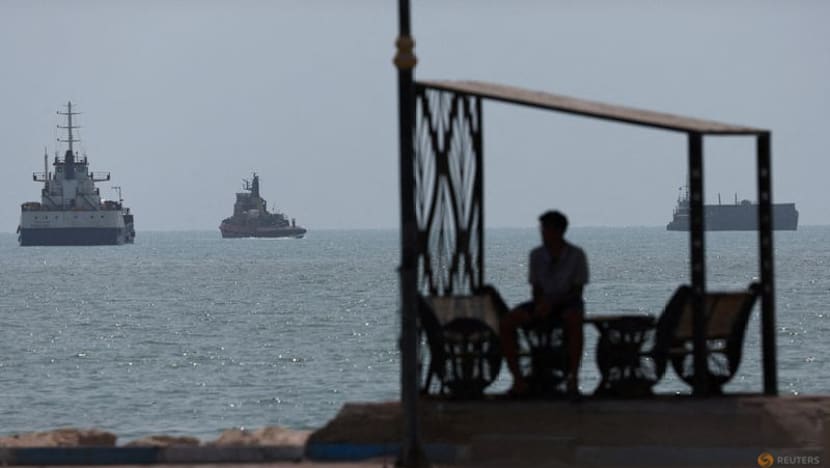
The conflict has thus far prevented the Strait of Hormuz from reopening, a critical shipping route that carries a fifth of global oil supplies. While some Gulf barrels are still passing through the strait, traders are now focusing on rebuilding a supply premium, as highlighted by Gelber & Associates analysts. US Treasury Secretary Scott Bessent explained that the aim of US sanctions on Iran is to encourage negotiations, while Trump announced that oil secured from a deal with Venezuela would be used to replenish the US Strategic Petroleum Reserve, which has reached its lowest level in 44 years.
Written by urgent.news from CNA - Business's reporting — not their text. Machine-written — may contain errors; check the original before relying on it.
This story
This is one outlet's version. Read the fullest account.
- Oil settles up by more than 2.5% as US and Iran resume military attacks businesstimes.com.sg
- Yields rise, stocks ease, with oil gaining as US and Iran resume military attacks channelnewsasia.com