Oil jumps more than 1% after US attack on Iran's Larak island
SINGAPORE: Oil prices jumped more than $1 a barrel on Monday after the US attacked an Iranian island in the Strait of Hormuz and drew retaliation from Tehran, as conflict in the Middle East extended into its sixth month. Brent crude futures climbed $1.08, or 1.23%, to $89.18 a barrel as at 0040 GMT while US West Texas Intermediate crude was at $84.32, up 92 cents, or 1.10%. US forces struck two…
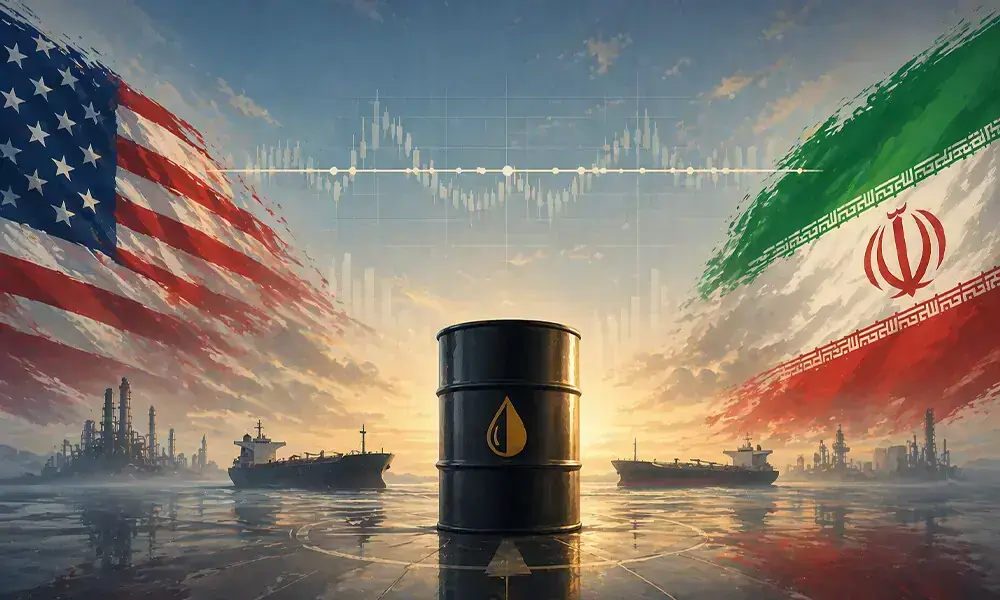
Oil prices surged more than 1% on Monday following the US attack on Iran's Larak island in the Strait of Hormuz, igniting a retaliatory response from Tehran and propelling conflict in the Middle East into its sixth month. Brent crude futures surged $1.08, or 1.23%, to $89.18 a barrel, while US West Texas Intermediate crude rose 92 cents, or 1.10%, to $84.32.
The US military launched assaults on two launchers stationed on Iran's Larak island, the first known American strikes on the Gulf nation since late July. Iran's response included attacks on two US air bases in Jordan, according to Iranian media citing the Revolutionary Guards. Analyst Tony Sycamore noted the situation appeared to be entering another escalation phase, with the potential for the conflict to persist for days or weeks.
Technical charts suggested that if the conflict escalated and pushed WTI above the resistance level of $85.80 to $85.90 a barrel, it could set the stage for further gains, initially to last week's high of $87.69, followed by July's peak of $93.50. Negotiations to resolve the conflict were at an impasse, while mediators worked to reopen the Strait of Hormuz, which previously facilitated a fifth of the world's oil flow before the war began in late February.
Both Brent and WTI were expected to post modest declines in August after falling more than 4% last week, marking their first weekly drop in three months. Despite the ongoing tensions, the possibility of increased oil flows through the Hormuz strait helped alleviate concerns over potential supply disruptions, according to ANZ analysts.
However, the number of visible commodity vessels passing through the Strait of Hormuz that weekend fell to five per day, reflecting the cautious approach of companies wary of potential attacks on their ships. UK Maritime Trade Operations reported on Sunday that a tanker had been struck by a projectile while sailing inbound through the strait on Saturday.
US President Donald Trump announced on Sunday that oil from a recently concluded deal with Venezuela would be utilized to replenish the U.S. Strategic Petroleum Reserve, which had reached an all-time low level in 44 years.
Written by urgent.news from Business Recorder's reporting — not their text. Machine-written — may contain errors; check the original before relying on it.