Oil explodes back above $90 as US-Iran tensions reignite
Oil prices surged in early Asian trading Monday (August 31, 2026) after US forces struck two Iranian launchers on Larak Island near the Strait of Hormuz, and Iran launched missiles reportedly targeting a US military in Jordan, reviving fears of a wider conflict and renewed disruption to crude shipments through the key waterway. Get it: Fast, verified news for FREE ... download the Gulf News app —…
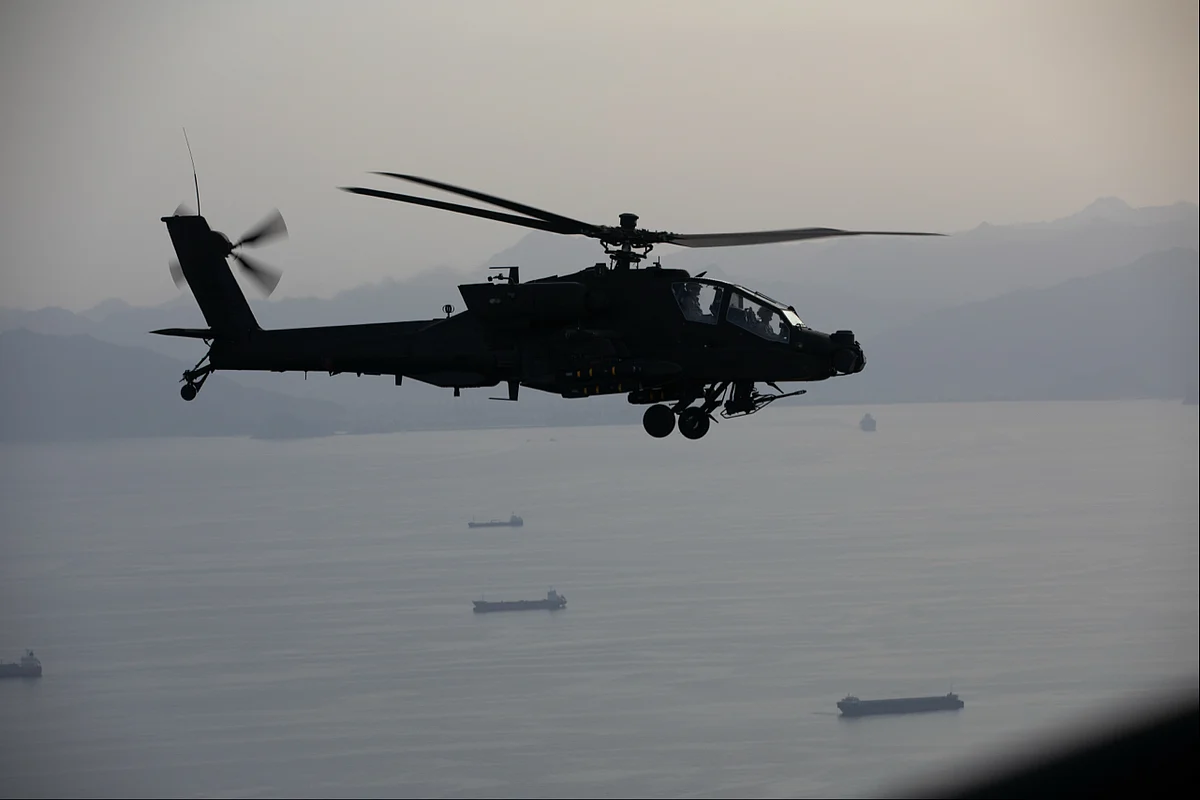
Oil prices surged in early Asian trading on August 31, 2026, following US forces striking two Iranian launchers on Larak Island near the Strait of Hormuz. Iran subsequently launched missiles reportedly targeting a US military installation in Jordan, triggering fears of a wider conflict and potential disruption to crude shipments through the critical waterway.
At approximately 9:20 am Tokyo time, the OilPrice market dashboard indicated that WTI crude rose to $84.57 a barrel, a 1.40% increase (+$1.17), and Brent crude climbed to $89.45 a barrel, a 1.53% gain (+$1.35). Murban crude, a key export grade from the United Arab Emirates, experienced the most significant rise at $95.75 a barrel, marking a 4.04% increase (+$3.72).
Brent had earlier surpassed the psychologically important $90-a-barrel threshold, settling at $90.32, while US West Texas Intermediate crude reached $85.41. The US military's attack on the Iranian launchers, the first known US strike on Iran since late July, raised concerns that Tehran might retaliate against American assets, commercial shipping, or energy infrastructure.
Although the Strait of Hormuz has not been formally closed, ship operators have reportedly reduced transits due to security risks. The immediate market concern revolves around whether Iran could block the waterway or whether insurers, tanker owners, and energy companies view the route as too risky. A partial slowdown in shipping could tighten supplies, driving up freight, fuel, and petroleum-product prices across Asia.
Murban crude led regional gains, reflecting the market's sensitivity to Gulf supply and shipping risks, as Gulf producers rely heavily on maritime routes. Despite the spike, the market remains below the extreme levels that would typically signal a full supply shutdown. Analysts are watching to see if the US strike triggers further military action or remains an isolated incident, and whether a prolonged Gulf disruption could eventually impact LNG shipping as well as oil.
Written by urgent.news from Gulf News's reporting — not their text. Machine-written — may contain errors; check the original before relying on it.