NST Leader: Subsidies are a lifeline, not a bottomless well
TODAY, the reinstatement of the Budi Madani RON95 (Budi95) subsidy quota of 300 litres per Malaysian kicks in, a reprieve for citizens burdened by inflation.
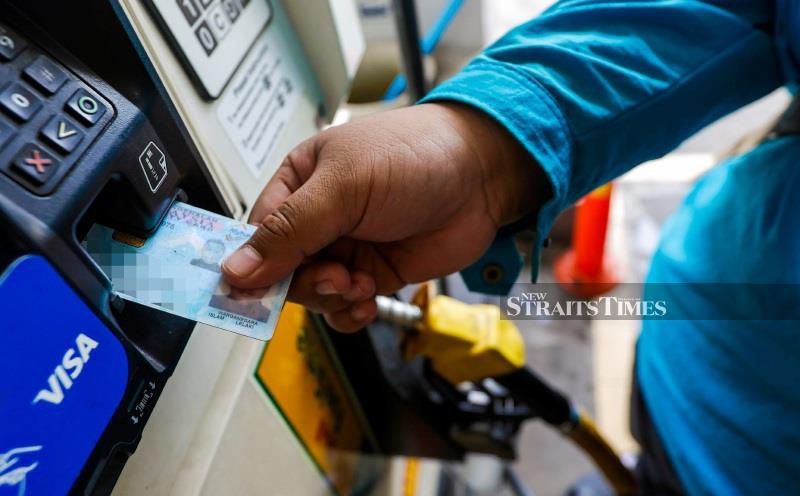
Today, the Budi Madani RON95 subsidy quota is being reinstated to 300 litres per Malaysian, providing relief to those struggling with inflation. Despite the rise in oil prices due to the US-Iran conflict, the government chose to maintain fuel subsidies instead of leaving Malaysians without. The Budi95 bill reached RM4 billion monthly at the height of oil price increases, yet citizens only paid RM1.99 per litre at the pump.
This leaves limited room for maneuvering as the reinstated quota necessitates a careful balance between managing cost-of-living pressures and subsidy reforms. It's crucial that Malaysians don't interpret the quota's reinstatement as a sign of improved financial circumstances for the government. Balancing the fuel subsidy aligns with the nation's commitment to public welfare, a concept deeply ingrained in Malaysian life for decades.
Malaysians often perceive subsidised petrol as an entitlement rather than a privilege. When the government reduced the quota from 300 to 200 litres due to soaring oil prices, it meant the government had fewer resources to absorb subsidy costs. Even though there's pressure to cut public spending, essential services like free or heavily discounted healthcare, cash assistance for low-income families, singles, and seniors, early schooling aid, transport discounts for seniors and persons with disabilities, and various tax relief measures remain untouched.
The bigger lesson is one worth considering: despite numerous challenges, the government remains generous and attentive to citizens in need. These actions reinforce how fortunate Malaysians feel to live in a resource-rich country, a benefit not granted to many wealthier nations. However, these advantages should not be taken for granted, as the temporary quota reduction serves as a reminder that public resources are not limitless.
Subsidies require hard decisions funded by taxpayers. While Malaysians have the right to question whether subsidies are fairly distributed and spent wisely, they must also acknowledge the need to protect the country's fiscal position for the future. Following financial scandals, Malaysians should demonstrate greater responsibility and willingness to safeguard public resources from leakage, abuse, and waste.
Written by urgent.news from New Straits Times's reporting — not their text. Machine-written — may contain errors; check the original before relying on it.