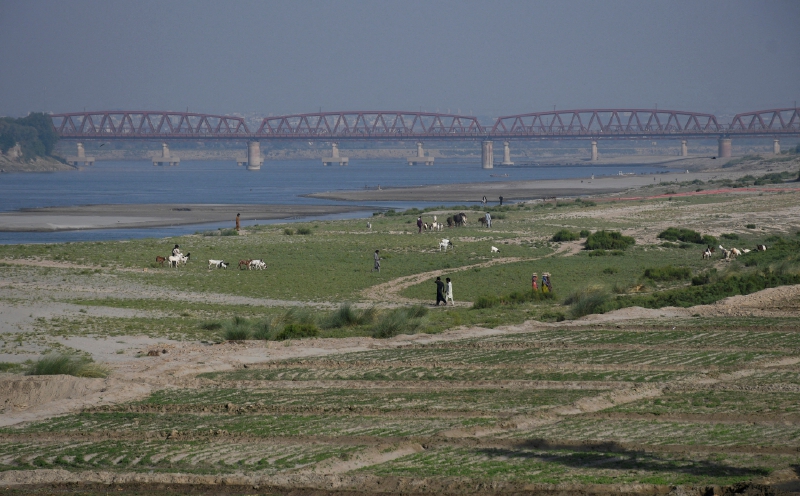
Nepal floods: Avalanche raced down Himalayas at 167 kmph, triggering deadly deluge
A sudden ice-rock avalanche plummeted down the Himalayas, wreaking havoc in Nepal with catastrophic floods. This swift phenomenon covered extensive ground in mere moments, and scientists ruled out a glacial lake outburst flood as the cause. The disaster wreaked havoc on Nepal's hydropower facilities, prompting a call for further inquiries into the geological processes that led to this calamity.
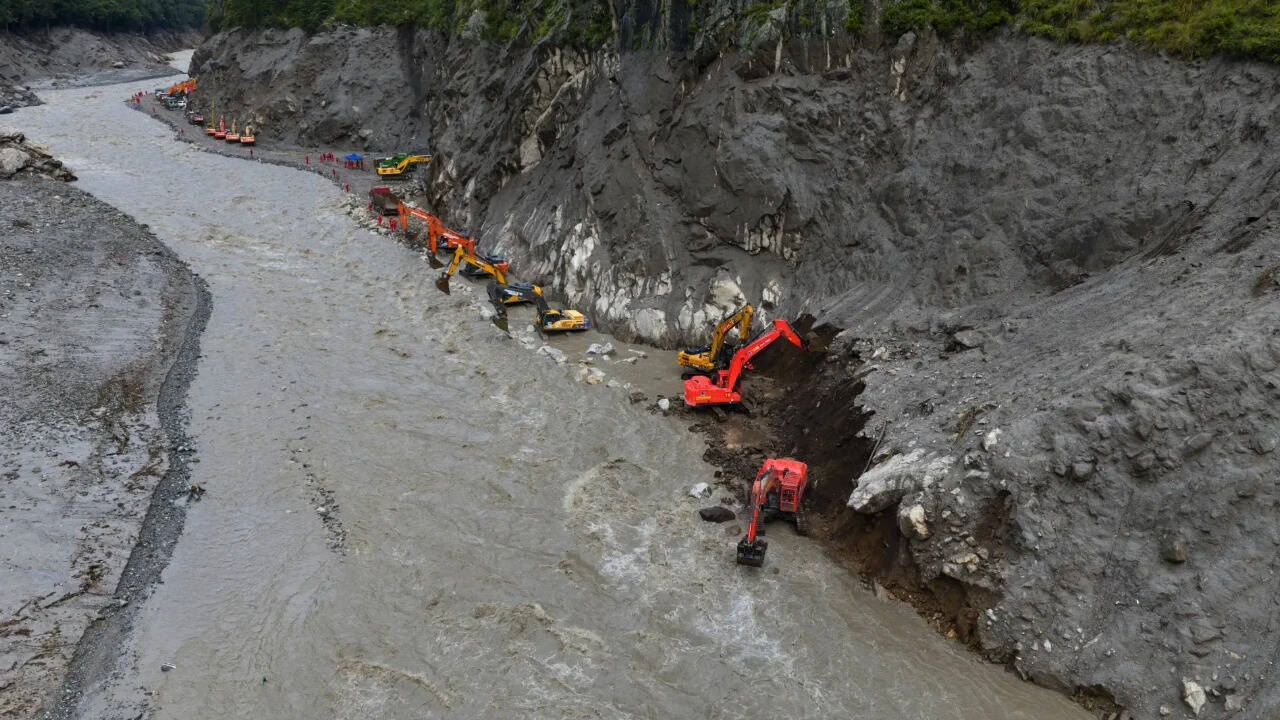
An ice-rock avalanche in the high Himalayas raced down at speeds of up to 167 kmph, triggering a deadly flood on August 26 in Nepal. A preliminary study by Nepalese scientists revealed that the mass of ice, rock and debris traveled 22 kilometers to Rasuwagadhi in just over seven minutes. The avalanche started from an altitude of about 5,200 meters in the Langtang–Lirung area of Rasuwa, descending steep terrain before reaching the Lhende River at around 2,930 meters.
It then surged downstream through the Bhotekoshi and Trishuli river systems, causing widespread destruction. Satellite imagery showed major geographical changes across 10 square kilometers, with a section of glacier approximately 0.56 square kilometers breaking away. The study ruled out the initial assumption of a glacial lake outburst flood (GLOF), finding no evidence of such an event.
Water levels and river flow in affected areas fell several hours before the destructive surge arrived, challenging the theory that heavy rainfall alone caused the floods. The avalanche resulted in extensive damage to Nepal's hydropower infrastructure, with 13 hydropower projects and one solar project affected, taking around 431 MW of generation capacity out of the system.
At least 900 people were killed, with thousands still missing as rescue teams continued to search for workers trapped inside hydropower tunnels in the worst-hit districts of Rasuwa and Nuwakot. Concerns have been raised about further landslides, unstable glaciers, and potentially dangerous lakes, indicating that the Himalayan region could face additional flooding even after the initial torrent has passed.
Written by urgent.news from Times of India's reporting — not their text. Machine-written — may contain errors; check the original before relying on it.
This story
This is one outlet's version. Read the fullest account.
- Rivers of mud and Nepal pilgrims who have not returned: UAE residents share stories of loss in floods thenationalnews.com
- Nepal floods 'unprecedented', requires new 'engineering approaches, risk-sensitive urban planning' france24.com
- Second Israeli confirmed missing as death toll continues to climb in Nepal floods timesofisrael.com
- Nepal flash floods highlight impact of climate change cbsnews.com
- Canada’s Nepalese communities cancel Teej festivals after deadly Nepal floods globalnews.ca
- Australian man confirmed dead in Nepal floods theage.com.au
- Australian man confirmed dead in Nepal floods smh.com.au
- Nepal FM speaks to Al Jazeera on devastating floods aljazeera.com