Musk told Fedorov he did not oppose Starlink strikes inside Russia
U.S. billionaire Elon Musk told former Ukrainian Defense Minister Mykhailo Fedorov that he was not opposed to Starlink being used for strikes on Russian territory, the Financial Times reported, citing sources.
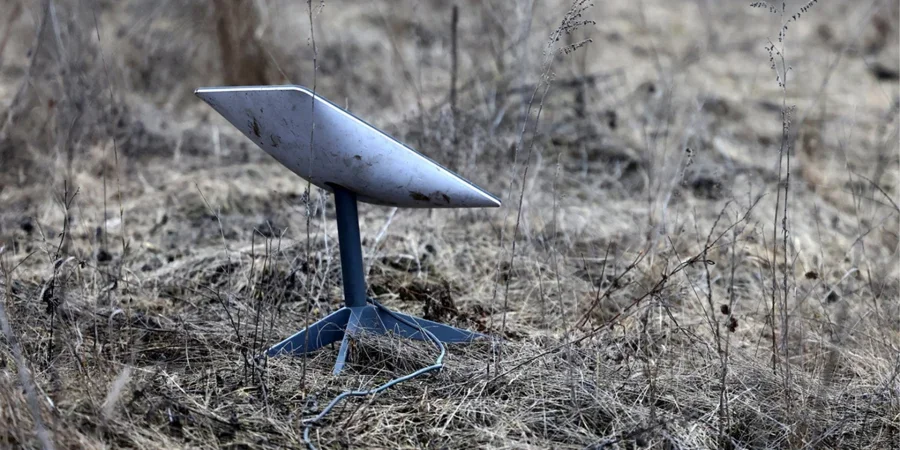
Former Ukrainian Defense Minister Mykhailo Fedorov discussed the potential use of Starlink technology for strikes on Russian territory with billionaire Elon Musk. According to the Financial Times, Musk told Fedorov that he did not oppose such a use, though the final decision would rest with the White House. Fedorov argued that increasing long-range strikes against targets in Russia was the most effective way to compel Russian President Vladimir Putin to end the conflict.
He emphasized the need for more advanced and affordable weapons to achieve this goal. Fedorov also indicated that he had been in close contact with Musk during his recent visit to the United States, though he did not confirm plans to meet Musk. In July, Ukrainian President Volodymyr Zelenskyy reportedly asked U.S. President Donald Trump to discuss granting Ukraine permission to use such drones.
However, Trump's stance on the matter was unclear at the time. As of August, it was reported that Musk had not yet given his approval for Ukraine to use Starlink for striking military targets in Russia.
Written by urgent.news from New Voice of Ukraine's reporting — not their text. Machine-written — may contain errors; check the original before relying on it.
This story
This is one outlet's version. Read the fullest account.