Multi-currency wallet, cashback or miles? How to choose the best way to pay overseas
From prepaid cards for children to complimentary travel insurance, banks and fintech firms have moved past offering zero foreign currency fees as the sole selling point for their overseas digital payments services.
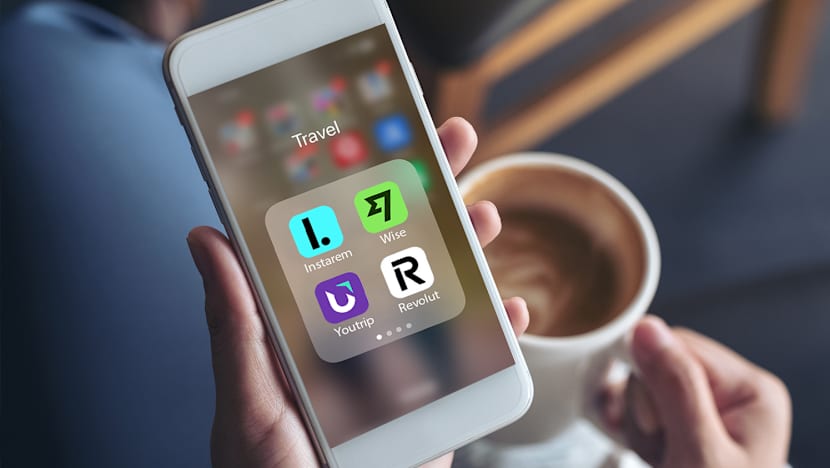
In today's digital age, banks and fintech companies have shifted their focus beyond offering zero foreign currency fees as the main selling point for their overseas digital payment services, according to a report from Singapore. When multi-currency cards first gained popularity in 2018, they were known for their near-zero foreign exchange spreads, fee-free overseas transactions, and the ability to avoid long queues at money exchangers.
However, as the market became saturated and margins became increasingly thin, these once-unique benefits have become basic expectations for savvy travelers. To attract Singaporeans' overseas spending power, banks and fintech firms have begun offering a wider range of perks, including mobile eSIMs, complimentary insurance, automated bill-splitting features, aggressive merchant partnerships, and destination-specific cashback bonuses.
Singaporeans typically rely on two to three payment methods during their overseas trips, with cash and physical credit or debit cards being the most popular. Competition in the travel payments space has intensified, with banks and fintech players striving to provide seamless cross-border payment experiences, competitive rates, and flexibility in options.
Ms Regina Lim, head of OCBC Group card payments and personal loans, emphasized that competition has intensified, while Mr Raymond Ng, CEO of Revolut Singapore and Southeast Asia, highlighted that customers are increasingly looking for overall value and experience when choosing a payment method, including convenience, flexibility, travel benefits, rewards, and managing money across different currencies and markets.
When selecting a payment method for overseas travel, factors such as favorable FX rates, foreign transaction fees, and cashback offerings should be considered. Some cards rely on Mastercard or Visa rates, while others use the mid-market rate, which is the middle point between the buying and selling prices of two currencies on the global market.
Special exchange rates can also be found for some travelers' top seven travel destinations, such as Malaysia, Indonesia, Thailand, Japan, South Korea, China, and Australia. Cashback rates vary depending on the destination, the card, and ongoing campaigns, but these time-bound promotions are typically temporary. Credit cards offer additional protections like chargeback options for fraudulent transactions, while debit cards may incur cash advance fees and administrative fees.
UOB, DBS, Trust Bank, and MariBank are some of the financial institutions offering various payment methods with unique benefits for travelers.
Written by urgent.news from Channel News Asia's reporting — not their text. Machine-written — may contain errors; check the original before relying on it.