Merdeka and lessons from West Asia conflict
In today’s increasingly volatile world, political independence alone is no longer enough, with economic resilience also essential.
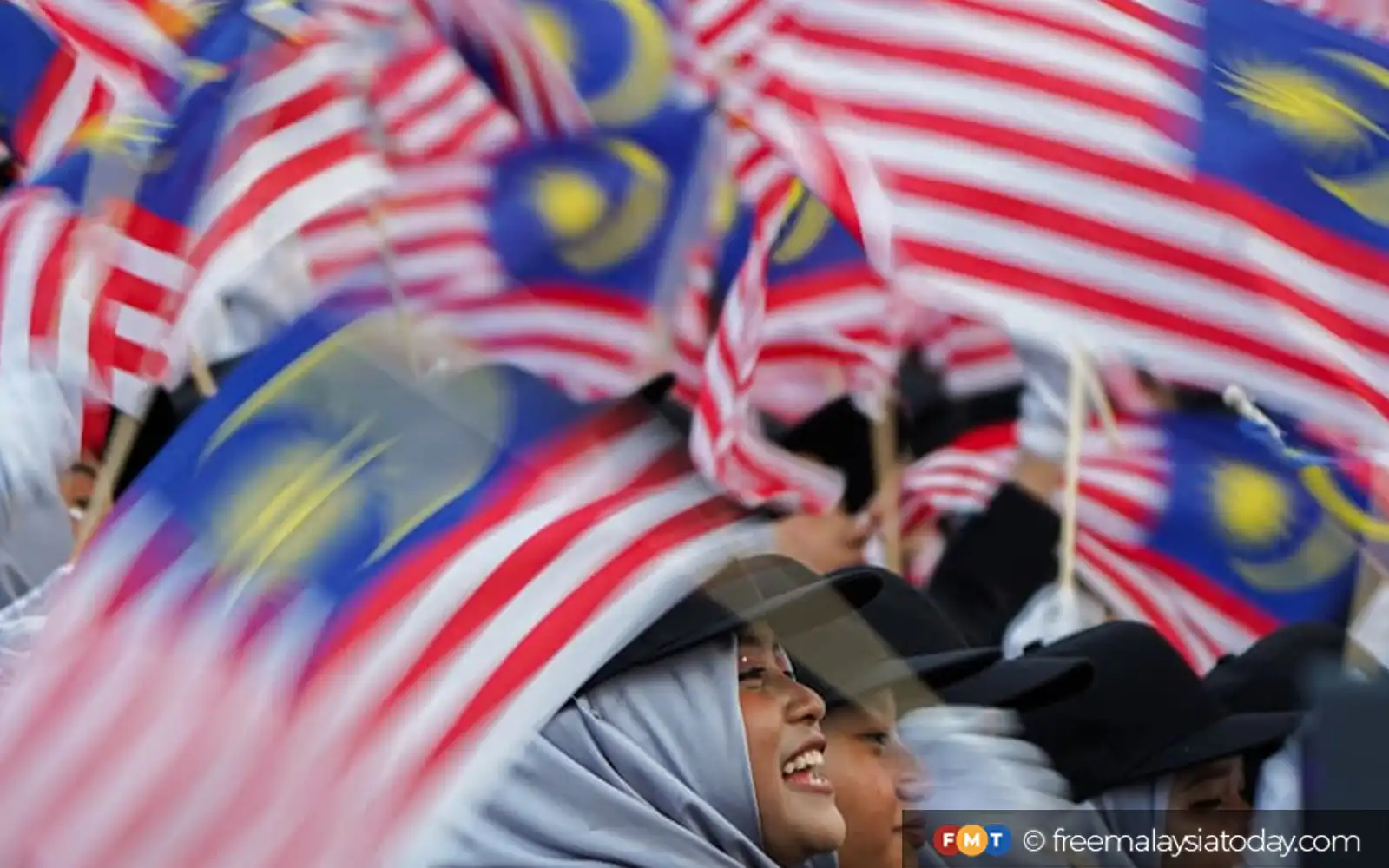
Merdeka, Malaysia's Independence Day, is a moment to reflect not just on historical significance, but on the meaning of true independence in today's world. The spirit of independence once meant liberation from colonial rule, but now it encompasses more than that.
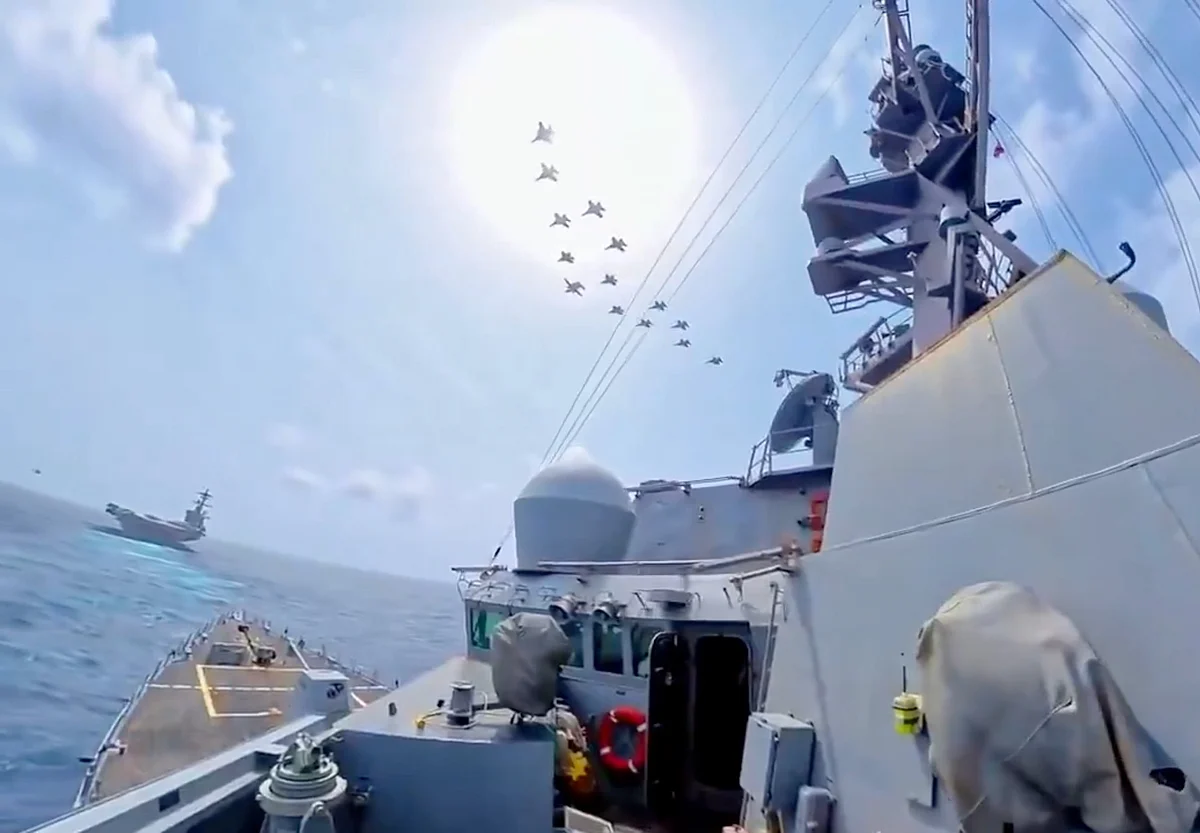
In the past six decades, Malaysia has thrived, yet recent geopolitical tensions in West Asia have underscored new vulnerabilities. Economic dependency, energy insecurity, disrupted supply chains, technological reliance, and distant geopolitical conflicts can threaten national independence just as much as foreign armies once did.
The conflict in West Asia serves as a stark reminder that a turmoil in one corner of the world can have a ripple effect, affecting distant nations. Oil prices can surge, shipping routes can become hazardous, air travel can be interrupted, tourism can plummet, and global markets can fluctuate. Malaysia, despite its distance from West Asia, is not immune to these geopolitical consequences.
Today, Malaysia must prioritize economic resilience and strategic independence. While the country enjoys energy resources and a robust petroleum industry, it must not forget that energy security cannot be taken for granted. Exploration for new oil and gas reserves, alongside developing Malaysia as an energy hub, is crucial.
Another pressing issue is food security. Daily, Malaysia generates 17,000 tonnes of food waste, much of which originates from Kuala Lumpur. This waste could potentially be transformed into valuable organic fertiliser, supporting 80,100ha of agricultural land annually. Countries like South Korea, Germany, and France have already turned food waste into a resource by implementing efficient waste management systems.
Tourism, often seen as a peaceful sector, can be vulnerable to international politics. Wars and geopolitical crises can disrupt travel, leading to rising airfares, airspace closures, travel warnings, and declining international confidence. Malaysia should diversify its tourism markets and reduce reliance on a limited number of countries.
In foreign policy, Malaysia must strive for balance and principled conduct. While supporting peace and international law is essential, the nation should avoid becoming overly entangled in conflicts that don't align with its national interests. This approach will benefit Malaysians at home and safeguard societal unity.
Written by urgent.news from Free Malaysia Today's reporting — not their text. Machine-written — may contain errors; check the original before relying on it.
Also reported by 1 other outlet
- Merdeka and lessons from West Asia conflict freemalaysiatoday.com