Marine experts back data driven policies to combat illegal fishing
Marine conservationists have called for stronger use of data, research and policy instruments to safeguard Kenya’s marine resources from overexploitation and illegal fishing. Speaking during a stakeholders’ forum on marine fisheries conservation in Mombasa City, the experts said reliable fisheries data and effective implementation of management policies are critical in ensuring sustainable use of…
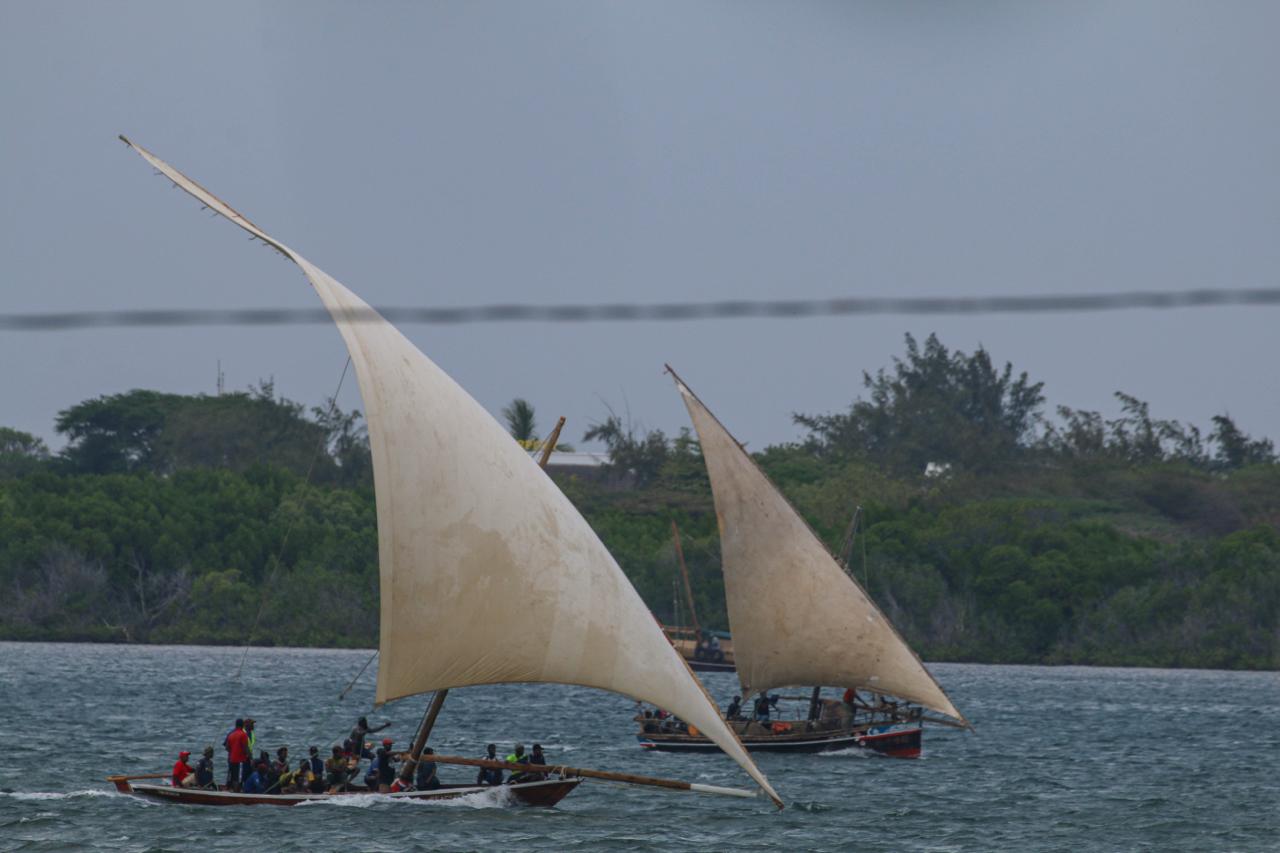
Marine conservationists are urging Kenya to harness data, research, and policy tools to protect the country's marine resources from overfishing and illegal practices. During a forum in Mombasa City, experts emphasized the importance of accurate fisheries data and effective management policies in ensuring sustainable use of ocean resources and supporting the livelihoods of coastal communities.
Daisy Muriuki, Director General of Kenya Fisheries Service, highlighted the agency's mission to conserve, manage, and develop fisheries and aquaculture resources. She stressed the need for improved data management and research, encouraging the sharing of research findings with fishing communities to increase their understanding of data's role in fisheries management.
Muriuki called for consolidating fisheries data under her agency and expressed concerns about the detrimental impact of illegal, unreported, and unregulated (IUU) fishing, which costs Kenya an estimated Ksh 45 billion annually.
Kenya has recently stepped up its monitoring, control, and surveillance efforts, including the deployment of a Vessel Monitoring System (VMS), to track fishing activities within its waters. KFS Director Jared Agano explained that fisheries management plans are crucial policy instruments being developed to promote sustainable exploitation and conservation of marine resources.
The agency, with support from the State Department for Blue Economy and Fisheries, has already created management plans for priority fisheries, including marine aquarium and lobster fisheries.
Agano stressed the importance of implementing these plans to benefit fishing communities while safeguarding resources from depletion. Blue Ventures East Africa Regional Director Nelly Otieno stressed the necessity of collaboration among government agencies, conservation organizations, NGOs, and fishing communities to achieve sustainable marine resource management. She highlighted the need for empowerment of local communities, as they bear the brunt of marine resource degradation.
All stakeholders agreed that enhanced coordination, reliable data, scientific research, and the implementation of fisheries management plans are key to balancing marine conservation with economic development while ensuring that coastal communities continue to benefit from ocean resources.
Written by urgent.news from KBC's reporting — not their text. Machine-written — may contain errors; check the original before relying on it.