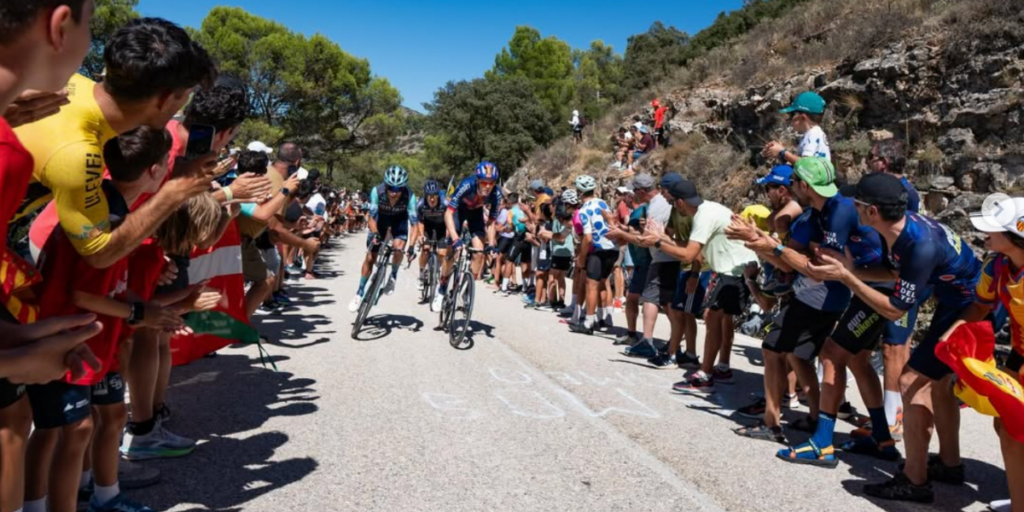
Marina Alta turns into a cycling arena as La Vuelta storms through the Costa Blanca
The quiet mountain roads of the Marina Alta were transformed into a sea of cheering crowds on Sunday August 30 […]
New population figures from Spain reveal that many inland municipalities within the Marina Alta have unusually high proportions of foreign residents. Notably, 11 villages in the region have foreign populations exceeding 40 percent, indicating a significant transformation away from the traditional coastal focus. While Javea, Moraira, Calpe, and Dénia remain popular destinations, inland villages stretching towards the Vall de Gallinera, Vall d’Alcalà, and surrounding mountainous areas have also become increasingly international.
In some smaller municipalities, foreign residents now make up more than 40 percent of the official population. This shift stands in stark contrast to the national average, where foreign nationals accounted for only 14.1 percent of Spain's population at the beginning of 2025. The Marina Alta's inland communities appeal to those seeking a quieter lifestyle, traditional architecture, and a slower pace of life while still being conveniently close to the coast.
Additionally, property in these villages may be more affordable compared to some popular coastal locations. The figures also highlight a broader trend across Spain, with nearly 6.9 million foreign nationals residing in the country, representing 14.1 percent of the population. This represents a significant increase of over six percent in a single year.
Furthermore, foreign-born individuals account for 19.3 percent of Spain's total population. The Marina Alta's transformation demonstrates how international migration can reshape small rural municipalities, turning them into home for thousands of people beyond just a summer tourist destination. The region is evolving into international communities, bringing new residents, businesses, languages, and cultures to its smallest and most traditional villages.
As the demographic story of the Marina Alta shifts from its coastal roots to the mountains, it reflects a larger transformation taking place across Spain.
Written by urgent.news from Euro Weekly News's reporting — not their text. Machine-written — may contain errors; check the original before relying on it.