JBL thinks the future of gaming audio is smarter, not just wireless
I spoke with JBL’s Gordon Tong at Gamescom 2026 about wireless gaming, 50mm carbon drivers, AI-powered footsteps and the company’s strategy for Quantum.
At Gamescom 2026, I interviewed Gordon Tong, JBL's Senior Director of Product Strategy and Planning, Gaming. Their discussion shifted from wireless gaming to JBL's Quantum strategy, AI-powered audio, and their belief that their greatest advantage isn't being the loudest name in gaming, but being JBL. Gordon mentioned that wireless gaming audio has moved beyond its experimental phase, with gamers accepting low-latency solutions.
The technology has matured, and latency has decreased significantly. Gamers are now more interested in the convenience of wireless audio than obsessing over milliseconds. Gordon doesn't see competition with Logitech, Razer, and SteelSeries as a traditional fight. Instead, JBL is focusing on its decades of audio expertise and acoustic standards.
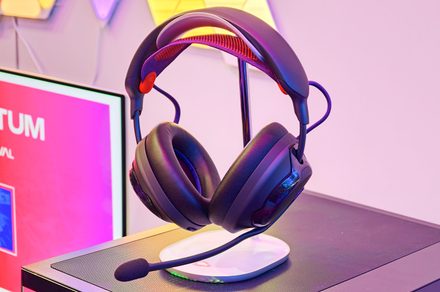
JBL's Quantum lineup uses 50mm carbon dynamic drivers, ensuring a consistent sound quality across all price tiers. The company's latest Quantum 850 model enhances high-frequency extension for better sound localization. JBL's most intriguing feature is the AI Footstep Booster, which dynamically analyzes and boosts footstep frequencies without affecting other game audio.
This feature is planned for Q4 2026 and targets leading FPS games. Gordon also discussed True Wireless earbuds, explaining that TWS makes sense for mobile gaming but might not be ideal for PC and console gamers due to battery life limitations. Gordon emphasized that JBL isn't trying to compete with established gaming competitors by copying them.
Instead, they focus on real, personalized sound technology to stand out. JBL bets that the next battle will be about how these technologies enhance your gaming experience.
Written by urgent.news from Digital Trends's reporting — not their text. Machine-written — may contain errors; check the original before relying on it.