Ivory Coast housing crunch leaves Abidjan home-hunters struggling to keep up
ABIDJAN, Aug 31 — For months, Veronique and Faustin Kla have looked for a home in Abidjan, tired of juggling their...
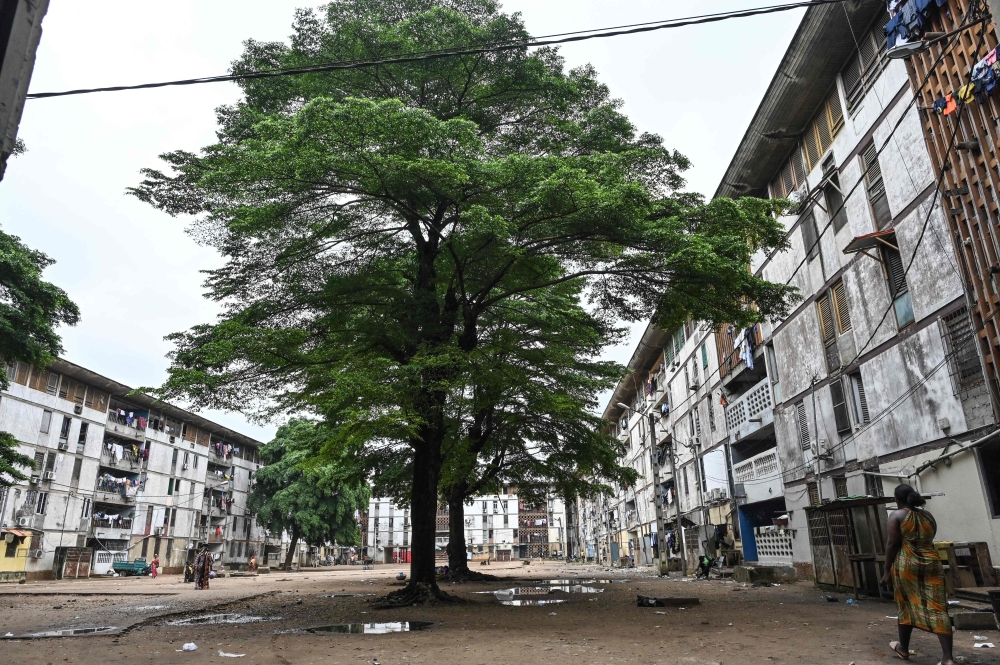
Abidjan, Ivory Coast's bustling economic capital, is grappling with a severe housing crisis as the city's population soars. Residents like Veronique and Faustin Kla struggle to find affordable, decent housing for their growing families. The search for a home has become an increasingly costly endeavor, with couples stretching their budgets to afford even the most basic accommodations.
A UN Habitat report revealed that Sub-Saharan Africa, including Ivory Coast, has the world's highest rate of "rental unaffordability," with households spending more than 30% of their income on rent.
Although Ivory Coast has experienced economic growth for over a decade, the minimum wage of 75,000 CFA francs is insufficient to secure adequate housing. Veronique Kla expressed her frustration, criticizing the poor condition and difficult access to homes, as well as the exorbitant prices. The African population is projected to grow from 700 million to 1.4 billion by 2050, resulting in around 20 additional megacities with more than 10 million inhabitants.
Abidjan's population has doubled in just 20 years, reaching over six million people, yet the housing supply remains woefully inadequate.
Estate agents in Abidjan charge up-front fees ranging from 5,000 to 10,000 CFA francs for property viewings, regardless of suitability. Even after finding a house, tenants face steep upfront payments, which can include two months' deposit, two months' rent in advance, and various additional charges. The informal sector employs around 90% of the workforce, making it challenging for many to prove their ability to pay.
"The situation is unprecedented at the moment," said Yao Ernest Kouadio, a geography lecturer and researcher at Cocody University, who specializes in urban planning.
The rapid influx of people seeking work opportunities in Abidjan has led to the creation of numerous informal settlements, exacerbating the housing deficit. Government policy has failed to keep pace with the city's population explosion, resulting in 800,000 homes lacking. The cost of social housing, intended for the poor, is also skyrocketing due to strong pressure on land prices.
With a housing deficit of 800,000 units growing by at least five percent annually, the Ivorian government has announced plans to build 150,000 homes by 2030.
Written by urgent.news from Malay Mail's reporting — not their text. Machine-written — may contain errors; check the original before relying on it.