I've tested every major foldable phone this year, and the iPhone Ultra can beat them all with this one killer feature
While Android foldables have perfected their hardware, the iPhone Ultra could instantly dominate the category simply by solving the messy app scaling mistake.
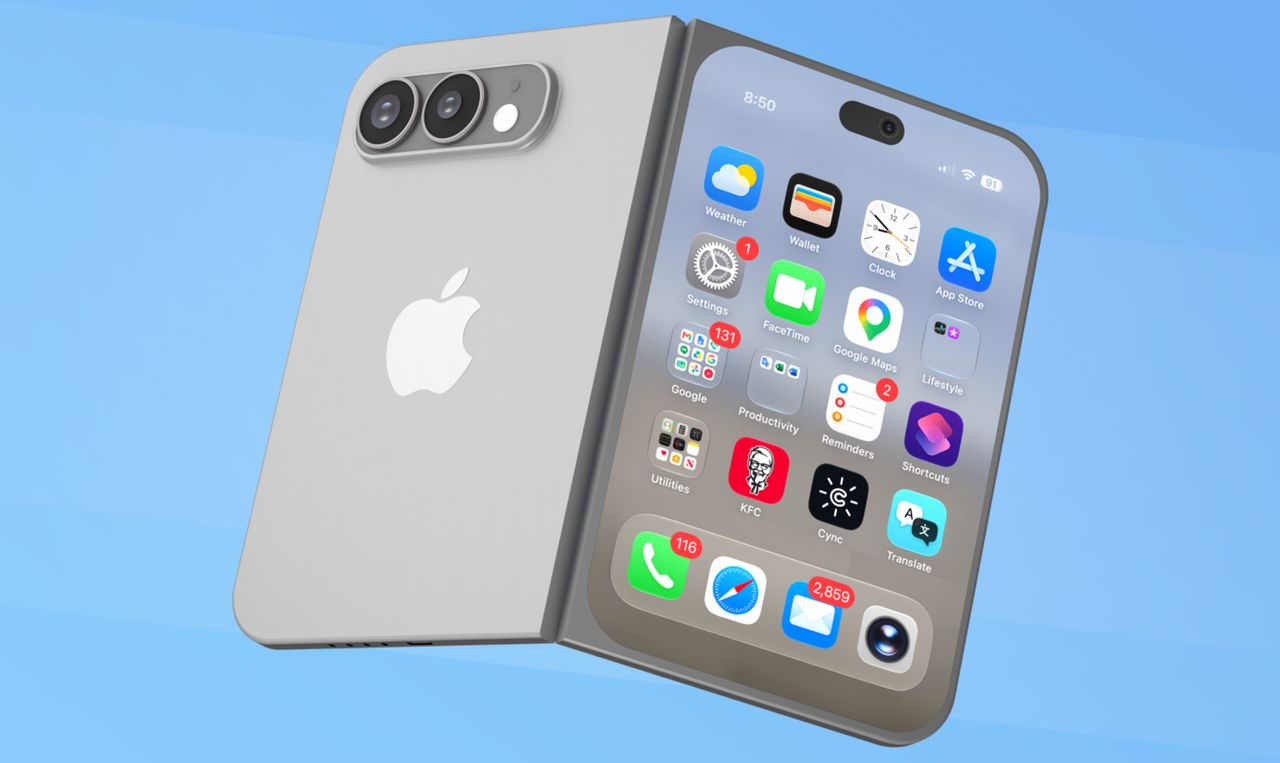
I've dedicated considerable time recently to evaluating some of the most advanced foldable smartphones currently available. The Motorola Razr Fold showcased a notebook-inspired design, while the Galaxy Z Fold 8 Ultra offered a sleek, lightweight build. Meanwhile, the Pixel 11 Pro Fold prioritized content creation capabilities, illustrating the significant innovation and fierce competition within the foldable market.
Despite these advancements, I continually encounter a persistent challenge with these Android-based devices. I firmly believe that Apple's long-awaited iPhone Ultra could potentially dominate the segment, and it doesn't necessarily need to rely on a triple-lens camera setup or an entirely creaseless display to achieve this. The software hurdle that could set Apple apart from competitors is a feature that even Google and Android manufacturers have yet to perfect: seamless app scaling and truly dynamic layouts.
Let me illustrate the proof. In the game Age of Origins, the interface fails to scale properly when transitioning between the inner and outer displays, resulting in a distorted, stretched-out appearance that impairs gameplay. TikTok, one of the most popular apps, struggles to adapt its video layout when switching from the outer screen to the main display, resulting in thick black bars that waste valuable screen space.
Castlevania Symphony of the Night, a retro game, fails to dynamically expand or scale its rendered canvas when the phone is unfolded, thus displaying intrusive black bars and inconvenient touch controls. Apple's opportunity to lead the foldable market is clear. While Android manufacturers have made strides in refining hardware hinges and achieving ultra-thin designs, they've struggled to encourage third-party developers to prioritize foldable aspect ratios.
In contrast, Apple enforces strict guidelines that ensure consistent, responsive app layouts across its entire ecosystem. By implementing proper app scaling and dynamic layouts in iOS 27, the iPhone Ultra could deliver an out-of-the-box foldable experience that truly excels. Instead of dealing with letterboxed games, squashed interfaces, or awkwardly cropped videos, users would enjoy seamless layout transformations between phone and tablet modes.
By solving the software continuity and dynamic scaling issues that have plagued Google and its hardware partners for years, Apple would not only launch another foldable phone but also establish a new benchmark for the entire industry.
Written by urgent.news from Tom's Guide's reporting — not their text. Machine-written — may contain errors; check the original before relying on it.
This story
This is one outlet's version. Read the fullest account.
- Deals: Nothing Ear (3a) hits $79 all-time low, CMF Clip Pro $79, Galaxy Z Fold 8 Ultra $300+ off, more 9to5google.com
- iPhone 18 launch is days away: iPhone 18 Pro, Pro Max or Fold — which one actually makes sense for you? gulfnews.com
- Some Galaxy S26 Ultra owners are still facing the red tint issue after installing the recent fix digitaltrends.com
- iPhone Ultra vs. Galaxy Z Fold 8 Ultra — here's the flagship foldable I'd recommend tomsguide.com
- I compared the cameras on the Galaxy Z Fold 8 and Pixel 11 Pro Fold - and one pulled ahead zdnet.com
- Galaxy Z Fold 8 is selling so well, Samsung is borrowing parts from the future androidauthority.com
- Samsung's Galaxy S26 Ultra fix backfires, swapping red tint for screen dots androidpolice.com