Intel Arc G3 handhelds offer amazing performance, but good luck actually being able to afford them
The incoming release of Intel Arc G3-powered handheld gaming PCs, backed by XeSS 3's MFG, promises truly remarkable performance for a price that's hard to justify.
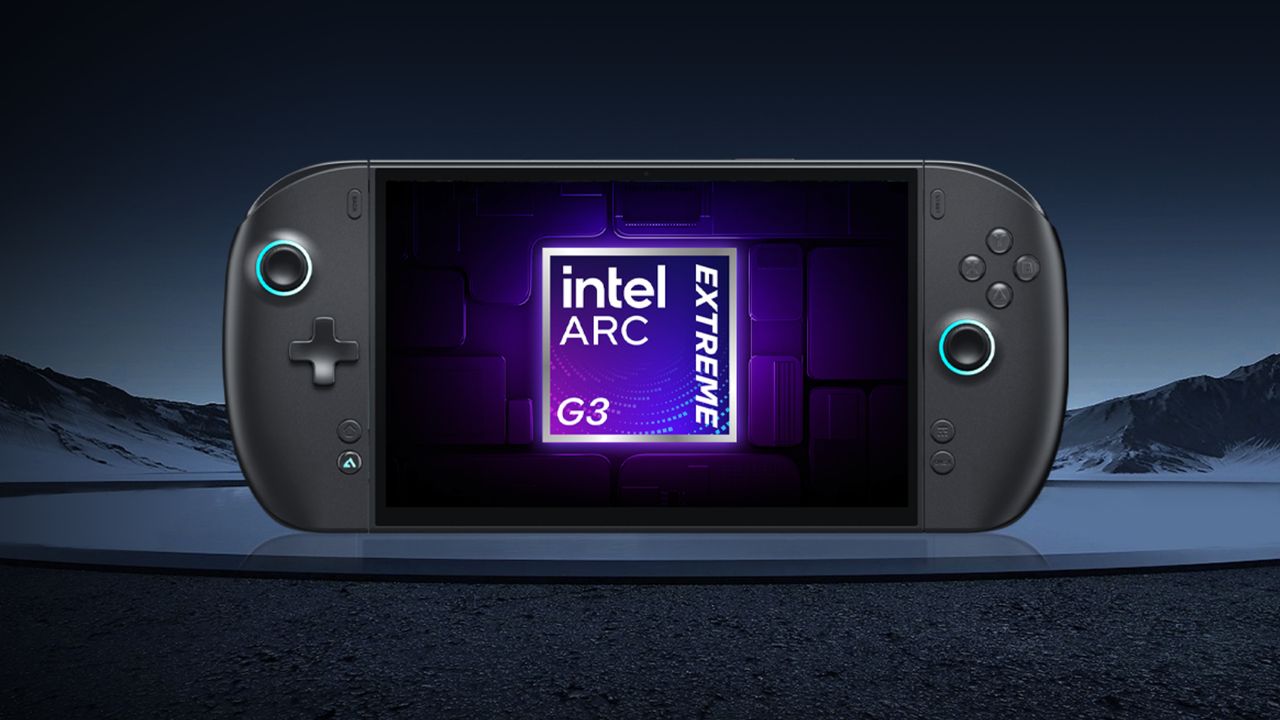
Intel's Arc G3 handhelds are promising next-level performance, but their high price may make them unattainable for many gamers. The new XeSS 3 technology offers multi-frame generation and AI-powered upscaling, enabling high-resolution, stable framerates on a small, portable form factor. The Intel Arc G3 Extreme chips power the MSI Claw 8 EX AI+ and Acer Predator Atlas 8, as well as other devices, and are claimed to be up to 44% faster than previous-generation Arc graphics.
The chips can run demanding games at 1080p in High settings with playable framerates of 30 FPS or higher on battery power. However, the cost of these handhelds is significantly higher than similar devices from other manufacturers, such as the Steam Deck OLED.
Written by urgent.news from TechRadar's reporting — not their text. Machine-written — may contain errors; check the original before relying on it.