India’s GPS problem: Why the armed forces need NavIC to work
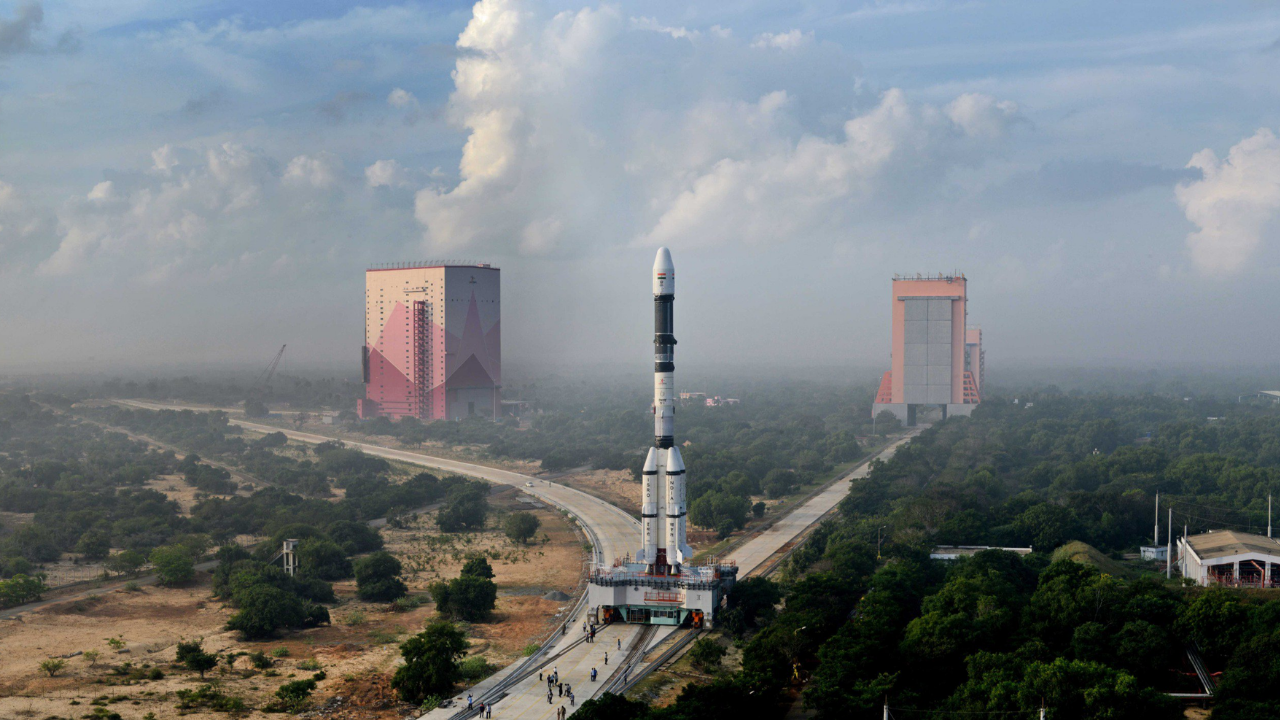
India's NavIC satellite system, crucial for military and civilian use, currently has only three operational satellites. This shortfall impacts its ability to provide accurate positioning and navigation services. The system's reliability issues stemmed from imported atomic clocks, now being replaced by indigenous ones. Upcoming launches aim to restore the full constellation's functionality. This…
On February 26, 2019, India-Pakistan tensions escalated following the Pulwama terror attack, in which 40 CRPF personnel lost their lives. Indian Air Force Mirage-2000s targeted terror sites in Pakistan using GPS-guided munitions, which provided sufficient separation to safely depart after deploying their weapons. Six years prior, similar strikes against Lashkar-e-Taiba and Jaish-e-Mohammad headquarters were executed with pinpoint accuracy using GPS.
Satellite navigation has become increasingly crucial for advanced militaries, serving purposes beyond precision weapon guidance such as navigation, common unit dispositions, avoiding friendly fire, and optimizing autonomous systems across various domains. Different nations have developed their own satellite navigation systems, including the Americans with the Global Positioning System (GPS), the Soviets and Russians with the Global Navigation Satellite System (GLONASS), the Chinese with BeiDou Navigation Satellite System, and the European Union with the Galileo.
India, in response to the Kargil conflict, lacked access to more accurate military-grade GPS data and relied on civilian-grade signals. This led to the development of the Indian Regional Navigation Satellite System (IRNSS), also known as NavIC, which aims to provide indigenous navigation and positioning services comparable to GPS but tailored for regional coverage.
NAVIC is designed to ensure secure, encrypted signals critical for targeting, communications, and mobility for the armed forces, enhancing operational autonomy and reducing reliance on foreign systems.
Written by urgent.news from Times of India's reporting — not their text. Machine-written — may contain errors; check the original before relying on it.