India rupee hits near four-week high on equity-related flows, RBI support; logs monthly rise
MUMBAI: The Indian rupee hit a nearly four-week high against the U.S. dollar on the last day of August, and notched a monthly gain, on support from inflows related to a stock index rejigand central bank intervention. The Indian rupee closed 0.2% higher at 95.1625, its highest level since August 5, from the previous session’s close of 95.3775. For the month, the currency gained 0.2%, after…
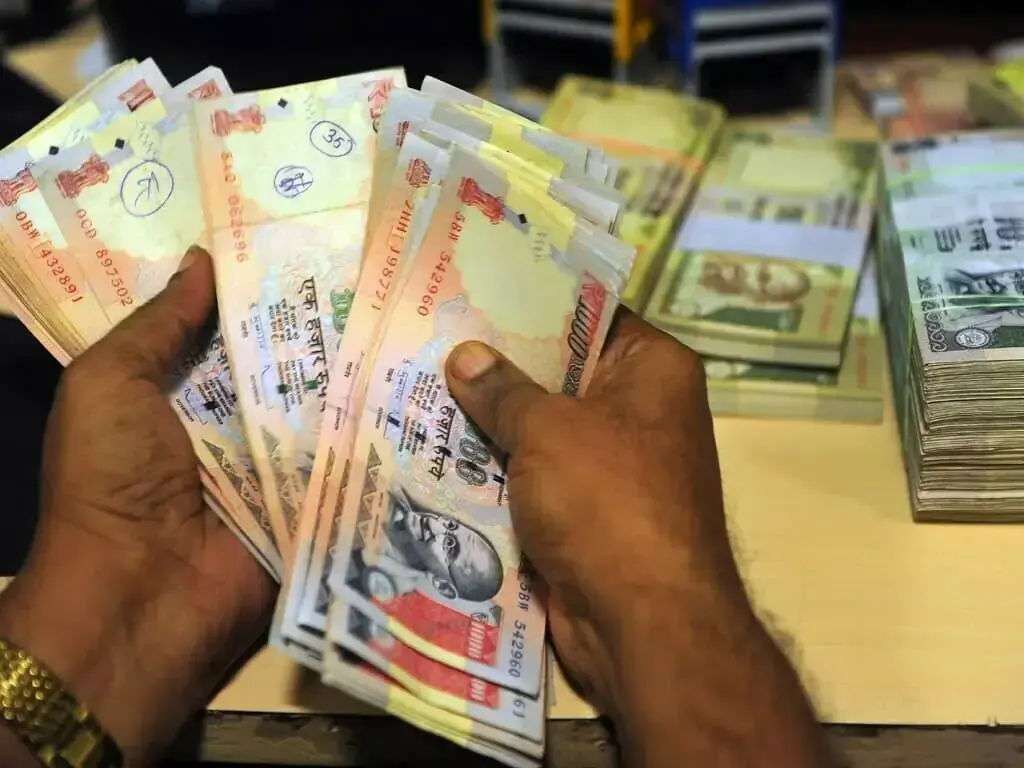
Mumbai witnessed the Indian rupee reaching a near four-week peak against the U.S. dollar on August 31, marking a monthly increase. The exchange rate soared to 95.1625, its highest point since August 5, from the previous day's closing rate of 95.3775. The monthly rise came after a 0.8% drop in July, indicating a positive trend for the currency.
The rupee's surge was attributed to inflows linked to a stock index reconfiguration and the Reserve Bank of India's intervention, which provided support to the currency and helped it withstand external headwinds. Traders noted that foreign banks were selling the dollar, driven by MSCI index-related inflows, further bolstering the rupee's position.
Analysts predict net inflows of approximately $1 billion in response to the MSCI rebalancing, set to commence on September 1. Technical analysis suggests that the USD/INR pair may be nearing exhaustion, with a potential downward trend to test the initial strong support level around 93.50 in the coming months.
The rupee opened at a 0.1% discount on August 31, following a surge in oil prices triggered by heightened tensions between the U.S. and Iran. Additionally, expectations of a potential 25 basis points rate hike from the Federal Reserve in September, as expressed by Fed Chair Kevin Warsh, contributed to the currency's decline. However, Shah cautioned that the hike might be precautionary given the ongoing economic challenges, including weak job and manufacturing data, as well as range-bound oil prices.
Written by urgent.news from Business Recorder's reporting — not their text. Machine-written — may contain errors; check the original before relying on it.