Immobilien: Chinesische Immobilienaktien geben wegen neuen Finanzierungsregeln nach
Die chinesische Finanzaufsicht reagiert auf den kriselnden Immobilienmarkt mit neuen Regeln. Der Nachteil: Sie belasten laut Experten die Investitionskapazitäten von Unternehmen.
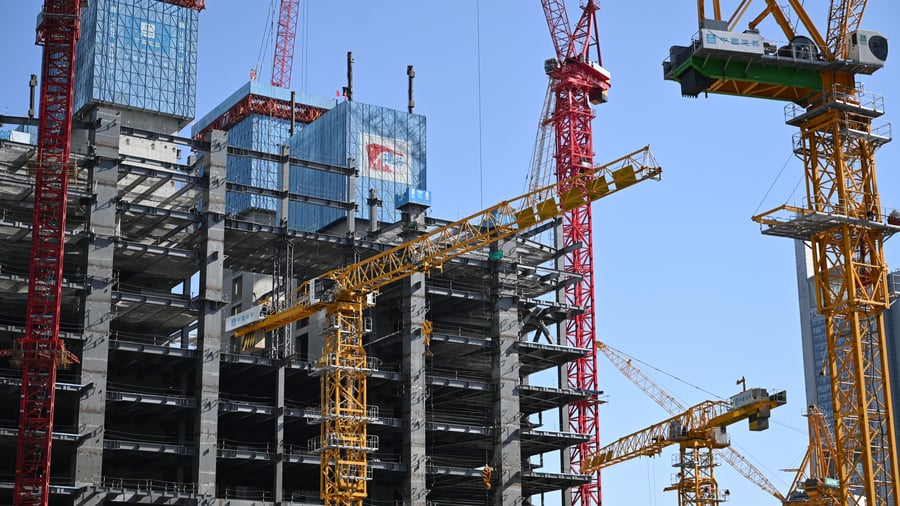
Chinese real estate stocks are struggling due to new financing regulations, signaling a decline in the sector. The Chinese financial supervisory authority is restructuring the market, impacting the once-prevalent model where developers finance construction projects using proceeds from pre-sales. Upon the announcement of these new rules on Monday, Chinese real estate shares plummeted.
The CSI300 Real Estate Index fell by 4.6%, while the index for Hong Kong-listed developers dropped 6.5%. The central bank and financial watchdog's proposed reforms mandate that mortgage lending for property buyers can only commence once the residential project is completed. Traditionally, developers would sell apartments well before their completion.
This early sale and early mortgage repayments accounted for an estimated 68% of all new home sales last year, according to analysts from Japanese investment bank Nomura. The analysts noted that developers can no longer rely on early mortgage revenues to finance construction. The new regulations are expected to significantly strain the cash flow of companies, with managers of three developers revealing that even state-supported firms would face a 40% reduction in cash flow available for operations.
This indicates a potential 40% decrease in investment capacity in the short term. State-backed property developers, such as China Jinmao and Yuexiu Property, saw their stocks plummet by more than 14%. The ongoing Chinese real estate crisis poses a significant challenge to the second-largest economy in the world, following the United States.
The government in Beijing aims to restore confidence in the sector through these new regulations, although analysts believe the measures may accelerate market consolidation. Most small players are likely to exit the market, as the analysis from Everbright Securities suggests. Another new regulation extends the maximum term for private mortgages from 30 to 40 years, intended to alleviate the debt burden on buyers but unlikely to significantly boost housing demand, according to experts.
Written by urgent.news from Handelsblatt's reporting — not their text. Machine-written — may contain errors; check the original before relying on it.