Hunters urged to protect wildlife as migratory bird hunting season opens
Qatar’s migratory bird hunting season, which opened yesterday and continues until February 15, 2027, gives hunting enthusiasts and falconers an opportunity to practise a traditional pastime while adhe...
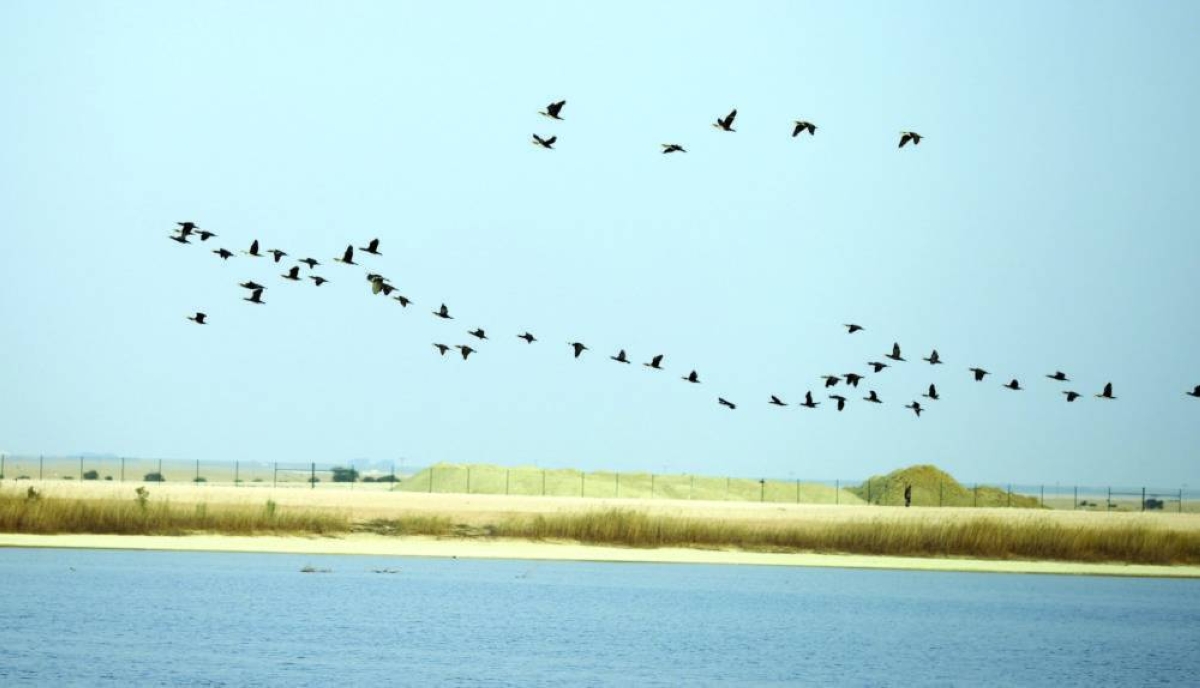
Qatar's migratory bird hunting season, which commenced yesterday and will persist until February 15, 2027, offers hunting enthusiasts and falconers the chance to engage in a traditional pastime while adhering to regulations that prioritize wildlife and environmental protection. The season, established by the Ministry of Environment and Climate Change (MoECC), has been met with approval from many Qatari hunters and falconers who emphasize the opportunity to uphold a heritage passed down through generations while focusing on migratory species rather than resident birds.
Responsible hunting practices are paramount, with hunters urging their peers to restrict hunting to the 10 species approved by the ministry, avoid overhunting, and comply with designated hunting areas and other regulations. They also call for enhanced field monitoring to prevent overhunting and ensure that resident or protected birds are not inadvertently targeted.
Caution is particularly required near populated areas and locations where hunting is prohibited, both for wildlife conservation and to avert accidents. The hunters underscore the cultural significance of introducing children to the activity, stating that involving younger generations can help preserve the tradition for future generations.
Abdulhadi al-Breidi, a hunter and falconer, expressed that the decision to allow migratory bird hunting from September through mid-February had been anticipated by the community. He noted that hunting the houbara bustard is prohibited during its breeding period to support its reproduction, and hunters are required to use falcons for hunting.
The falconers' commitment to training their birds before the season underscores the importance of the tradition, which encompasses various aspects such as desert camping, preparing meals, and early morning activities. Al-Breidi highlighted that many enthusiasts previously had to travel abroad to practice falconry, making the domestic hunting season highly anticipated.
Training methods among hunters vary; for example, al-Breidi releases his falcon from a vehicle in the desert, using GPS to track its movements and determine if it has successfully caught its prey. Khaled al-Abbasi expressed optimism that the season would benefit both hunters and wildlife, emphasizing the need to adhere to the 10 permitted species and refrain from expanding hunting activities.
He warned about the consequences of overhunting and stressed the importance of adhering strictly to the authorized species. Al-Abbasi also noted that some individuals may struggle to identify bird species or determine if a bird is rare, protected, or legally permissible for hunting, making strict adherence to the authorized species crucial.
Falconry, he added, could help mitigate overhunting as a single falcon typically catches one bird per day, which feeds once daily. The hunting period from September to February is seen as a positive decision by the MoECC, as it allows enthusiasts to practice their traditional hobby while avoiding the direct hunting of resident wildlife.
Since the targeted birds are migratory rather than resident, their hunting will not adversely affect the local ecosystem, as these birds are temporary visitors to the Qatari environment and are not established there, with large populations present. Abdulrahman al-Mutawa echoed this sentiment, welcoming the decision as it supports a traditional pastime while concentrating on birds that pass through the region seasonally.
He explained that migratory birds migrate to the region as temperatures drop in Europe, stay for a while, and then return to their original habitats. As the hunting season begins, hunters emphasized the importance of preserving the tradition while protecting the wildlife that makes the experience possible, urging enthusiasts to strictly follow regulations and exercise restraint throughout the season.
Written by urgent.news from Gulf Times's reporting — not their text. Machine-written — may contain errors; check the original before relying on it.