Hungry bears wander into US homes, shops in record numbers
Bears have wandered near a school in New Mexico, climbed a tree at a farmers' market in Colorado and are startling humans in other ways across the US West.
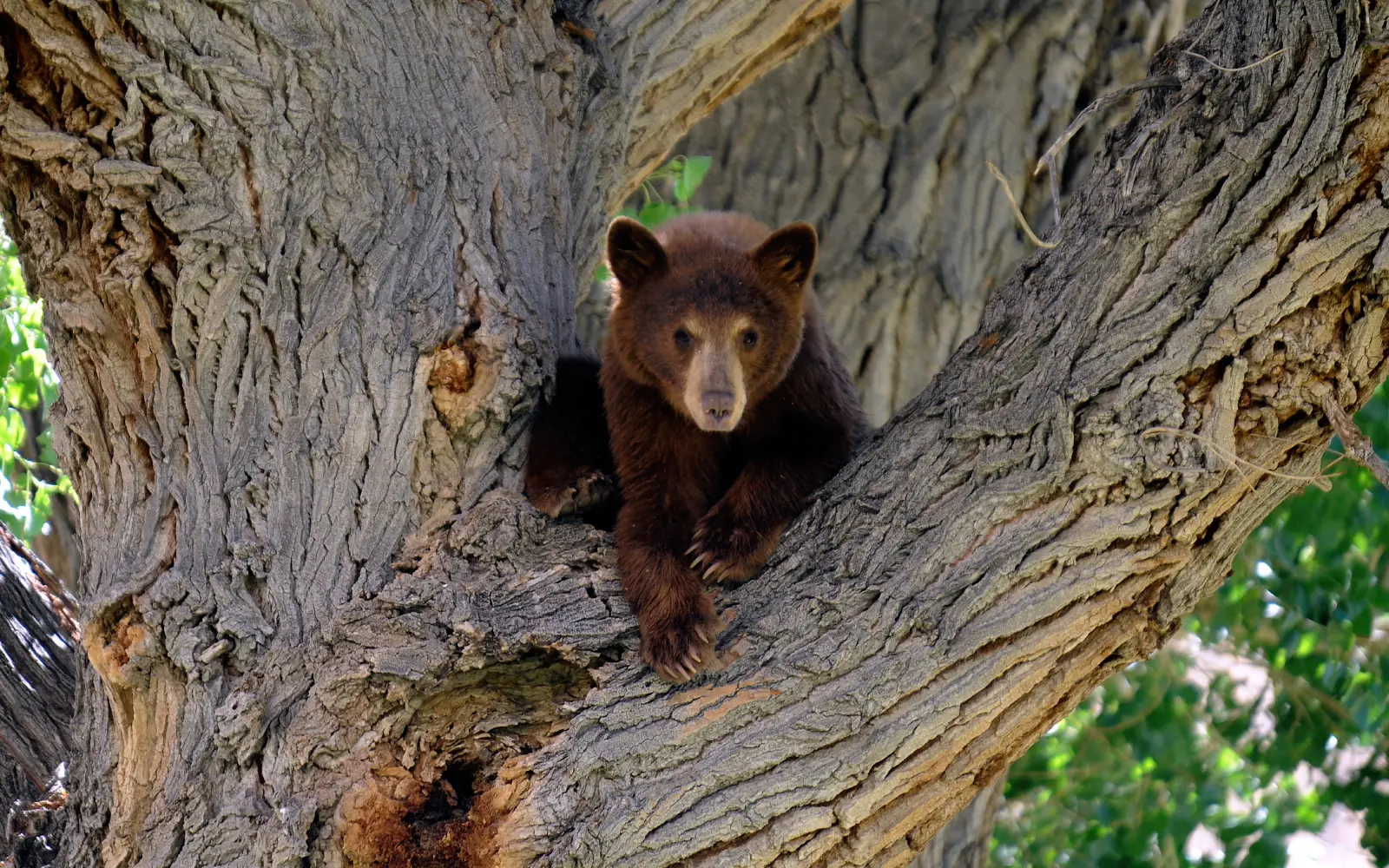
A severe winter has depleted natural food sources for bears, forcing them to seek out human food, leading to a record number of encounters with people in the United States. Matt Errico, a roofer from Granby, Colorado, witnessed two young black bears enter his hallway earlier this month, marking the first home invasion by cubs in his town northwest of Denver.
Black bears, also spotted in a vape shop, have been sighted in schools, farmers markets, and other public places across the West, according to video evidence verified by Reuters. The bears' intense sense of smell is luring them to human food, resulting in record bear deaths in certain states as hundreds are euthanized, run over, shot, or electrocuted during interactions with humans.
Experts warn that the West's growing aridity may lead to bears becoming habituated to human food and potentially ceasing hibernation if winters become too warm and food scarce. Development has encroached on traditional bear foraging grounds, while bear populations have rebounded in states like Nevada, currently home to between 17,000 and 20,000 black bears.
Colorado, with a human population that has more than doubled in the past 50 years, has faced the brunt of these encounters, with over 7,000 sightings in 2026, surpassing the previous record set in 2019. The state has recorded more than six bear attacks, resulting in at least 1.5% to 2% of sightings ending in euthanization. Conservation groups argue that humans are often responsible for these conflicts, and stricter measures should be taken to prevent them.
In New Mexico, wildlife agencies have killed 187 bears this year, the highest number since 2011, and relocated 35 adults and 16 cubs. Utah has euthanized 39 bears, setting a record for a full year, while Montana has also seen a rise in sightings, with 24 grizzlies dying this year due to various human-related factors, including attacks on livestock and people or vehicle collisions.
Fatal bear attacks in the West remain rare, but conservationists urge residents to use bear-resistant garbage bins, properly store trash, and avoid leaving pet food or bird seed accessible to the animals.
Written by urgent.news from Free Malaysia Today's reporting — not their text. Machine-written — may contain errors; check the original before relying on it.
Also reported by 1 other outlet
- Hungry bears wander into US homes, shops in record numbers freemalaysiatoday.com