How to Stop Wasting So Much Food in Your Kid’s Lunchbox
That bologna sandwich that keeps coming home with exactly one bite missing is trying to tell you something.
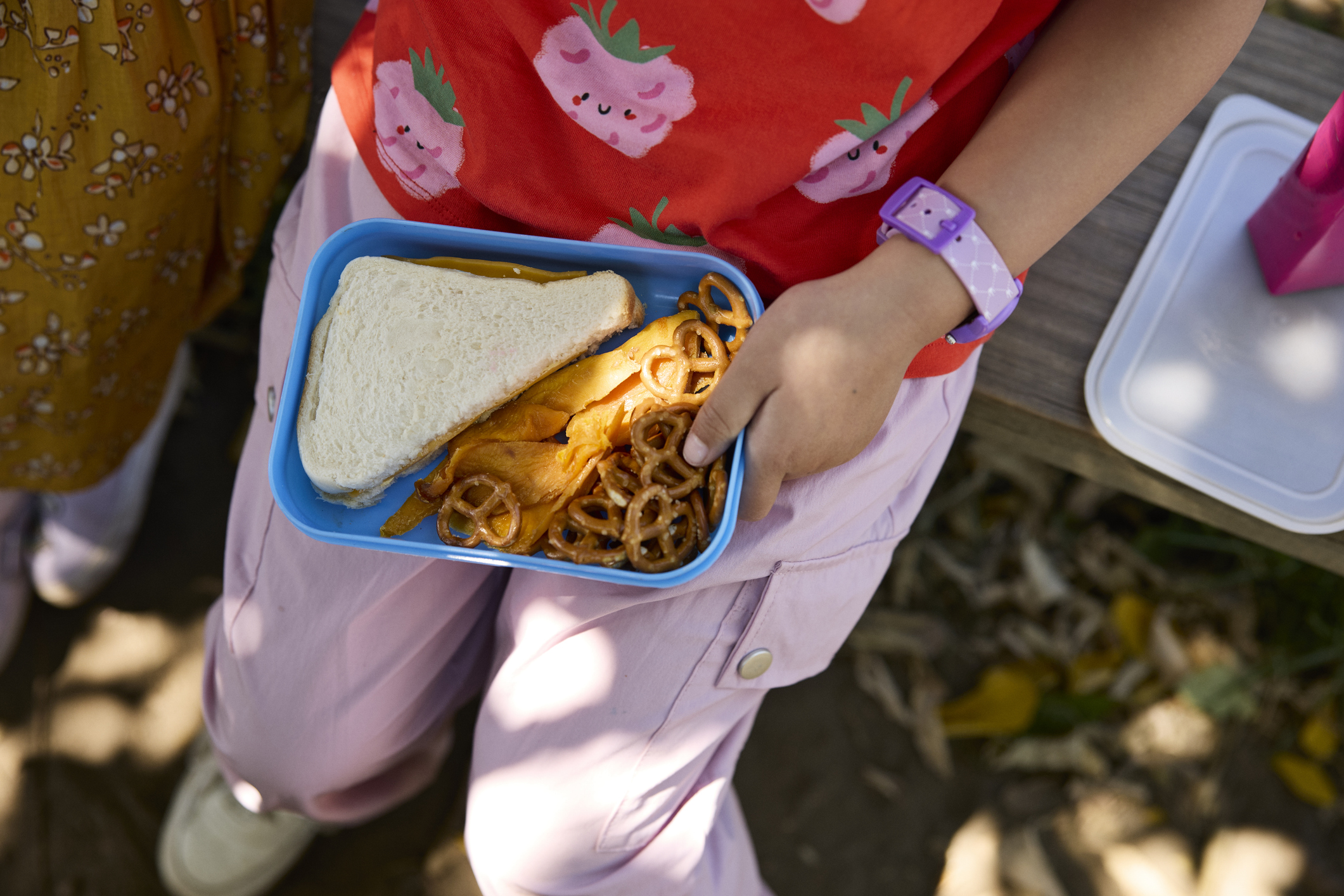
A single year's worth of uneaten school lunches in the United States equates to approximately 39 pounds of food per child, which is roughly the weight of a 4-year-old. When scaled across the entire nation, this waste amounts to an astonishing 530,000 tons of discarded sandwiches, rejected fruit, and untouched snacks each year. Food waste is a collective issue, as everyone is involved in some capacity.
However, families have the power to make a difference, starting with the packed lunch. By observing what is left behind at the end of the day, parents can identify patterns and make necessary adjustments to minimize waste. Experts recommend packing lunches based on actual consumption patterns rather than idealized notions. Asking children about their lunch experience can provide valuable insights into their preferences and any potential obstacles they face.
It is essential to approach these conversations with empathy and an open mind, as children may have unique challenges or reasons for not enjoying certain foods. New foods are best introduced at home, where parents can offer encouragement and support. When selecting lunch containers, it is crucial to choose ones that suit the specific needs of the child's meals.
Bento boxes, while popular, may not always accommodate the variety and portion sizes required for growing children. Instead, focusing on the food itself and choosing appropriate containers can lead to a more efficient and waste-reducing solution. Packing meals in a manner that aligns with the child's actual appetite is key to preventing overpacking and reducing waste.
The size of the lunchbox should correspond to the amount of food consumed, and reusable containers should be easy to clean for convenience. Additionally, understanding the timing of lunch periods within the school day can help parents better plan and prepare meals. Schools often have staggered lunch schedules, which can impact a child's hunger levels and eating habits.
By considering these factors and making informed decisions about what to pack, parents can significantly reduce food waste and create a more sustainable and enjoyable lunch experience for their children.
Written by urgent.news from Time's reporting — not their text. Machine-written — may contain errors; check the original before relying on it.