How to make meat go further without making your meals feel like they are missing anything
Make meat go further by pairing smaller amounts with affordable vegetables, beans, lentils and starches that add substance without taking over the dish.
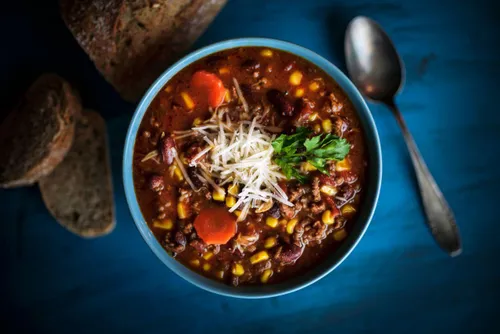
Buying meat often ranks high on grocery expenses, especially when feeding a family. Rather than removing meat from meals, the focus should be on maximizing its usage. Stretching meat allows one packet of mince to create a larger portion of bolognaise, or leftover chicken to serve multiple meals. The secret lies in selecting ingredients that complement the dish.
Simply overloading a pot with extra items may yield a larger meal but does not necessarily enhance its quality. Here are some practical methods to increase the longevity of meat without compromising the meal's appeal. Mince is arguably the most adaptable meat to stretch due to its compatibility with various components. Vegetables like grated carrot, finely chopped onion, cabbage, mushrooms, butternut squash, or baby marrow can be cooked alongside mince to create a heartier dish without overpowering the meat.
Properly cooked vegetables can seamlessly blend into the sauce, while mushrooms contribute a rich, savory taste. For strong-flavored vegetables, start with a smaller quantity to maintain the mince's essence. When incorporating beans and lentils into stews, curries, chili, or mince dishes, red lentils are ideal for those seeking a softer texture that integrates into the sauce.
In contrast, brown or green lentils maintain their firmness, and canned beans can be drained before adding. Potatoes prove invaluable in stews or curries as they soak up the cooking liquid, enabling a smaller amount of meat to stretch further. However, they should not be the sole addition. Pair them with complementary vegetables such as onions, carrots, butternut squash, cabbage, or others suited to the recipe.
A chicken curry, for instance, can accommodate potatoes, carrots, and chickpeas, while a beef stew can be supplemented with potatoes, carrots, and mushrooms. This adjustment alters the dish's flavor profile without overshadowing the meat. At times, the most effective way to stretch a meat dish involves not adding more ingredients to the pot but serving the meal with something that enhances its substance.
A modest amount of chicken curry becomes more satisfying when accompanied by rice. A mince sauce can extend its reach when paired with pasta, while a rich stew complements pap. A modest quantity of cooked chicken can transform into a pasta bake, rice dish, pie filling, or hearty soup, instead of serving as an additional small portion of meat.
A crucial shift in mindset is to view meat not as the centerpiece of the plate but as an essential component contributing to the overall meal. Bacon can impart depth to bean or lentil dishes. Leftover roast chicken can be incorporated into a vegetable pasta bake. A small amount of mince can serve as the foundation for a tomato sauce served over pasta.
The objective is not to mask the reduced meat content but to create a meal where meat plays a vital role beyond merely filling the plate. The preparation stage significantly influences meat stretching. Chicken thighs and drumsticks are particularly suitable for curries, stews, and casseroles as they thrive in a sauce-rich environment.
Stewing beef is well-suited to slow-cooked recipes where vegetables and starches harmonize with the meat. Mince offers unparalleled versatility, effortlessly merging with vegetables, lentils, or beans to preserve the dish's original character. While cost-effectiveness is essential, the most economical ingredient should not outweigh the meat being substituted.
Consider the intended dish before purchasing; a bargain loses its value if the ingredient remains unused. A fundamental guideline to adhere to is ensuring the ingredient used to stretch meat is cheaper than the meat it replaces. This seemingly obvious principle can be easily overlooked when aiming to economize on meals. Ultimately, stretching meat entails more than just elongating the meal; it entails crafting a well-balanced dish.
Incorporating affordable pantry staples like rice, potatoes, dried beans, lentils, seasonal vegetables, or basic canned goods can prove beneficial. Frozen vegetables also present a practical solution, allowing for the use of only the required amount while preserving the remainder for future meals. It is vital to distinguish between stretching meat and merely enlarging the dish.
Adding excessive water, bland vegetables, or starch without refining the seasoning can result in a diluted flavor profile. The key is to develop depth during cooking. Properly brown the mince or meat, sauté onions until softened, season the vegetables, and allow sauces and stews ample time to develop their flavors. Once these steps are completed, introduce the ingredients that extend the meal's longevity.
Through these strategic measures, a limited quantity of meat becomes an integral part of a well-rounded meal, avoiding the perception that the expensive ingredient has merely been rationed. In an era where food costs and household budgets demand careful consideration, making meat last longer is a simple yet effective way to maintain budget-friendly family meals without necessitating a complete culinary overhaul.
Written by urgent.news from IOL's reporting — not their text. Machine-written — may contain errors; check the original before relying on it.