How the U.S.-Israeli war on Iran is reshaping global energy use
By dramatically raising fossil-fuel prices, the conflict has also been pushing governments, companies and consumers towards renewable energy.
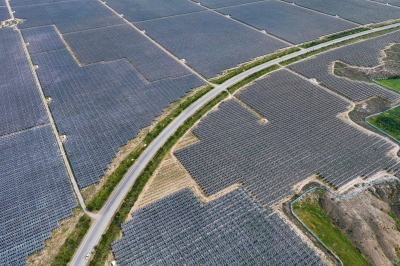
Six months into the U.S.-Israeli war on Iran, the global energy landscape is undergoing significant transformation. The conflict has caused a sharp increase in fossil fuel prices, with importers collectively shelling out over $330 billion since the war's onset on February 28th, as reported by the Centre for Research on Energy and Clean Air (CREA). This financial strain has accelerated the shift towards renewable energy sources, with governments, businesses, and consumers all feeling the impact.
While the war has been economically punishing for Middle Eastern fossil fuel producers, it has presented opportunities for energy-rich nations outside the conflict zone. These countries have managed to capitalize on the rising energy costs, benefiting from the increased demand for their resources.
The situation in the Strait of Hormuz has also been volatile, with the region's vital oil shipping lanes becoming a hotbed of military activity between the U.S. and Israel. This ongoing instability has further contributed to the uncertainty surrounding global energy markets.
As the world grapples with these shifting dynamics, the long-term implications for energy policies and investments remain to be seen. However, one thing is clear: the U.S.-Israeli war on Iran has set in motion a major realignment of global energy use, with both winners and losers emerging in its wake.
Written by urgent.news from Japan Times's reporting — not their text. Machine-written — may contain errors; check the original before relying on it.