How kidnapping became an industry in Nigeria
Insecurity has been a pivotal issue in Nigerian elections for decades — underscoring governments’ inability to tackle the issue.
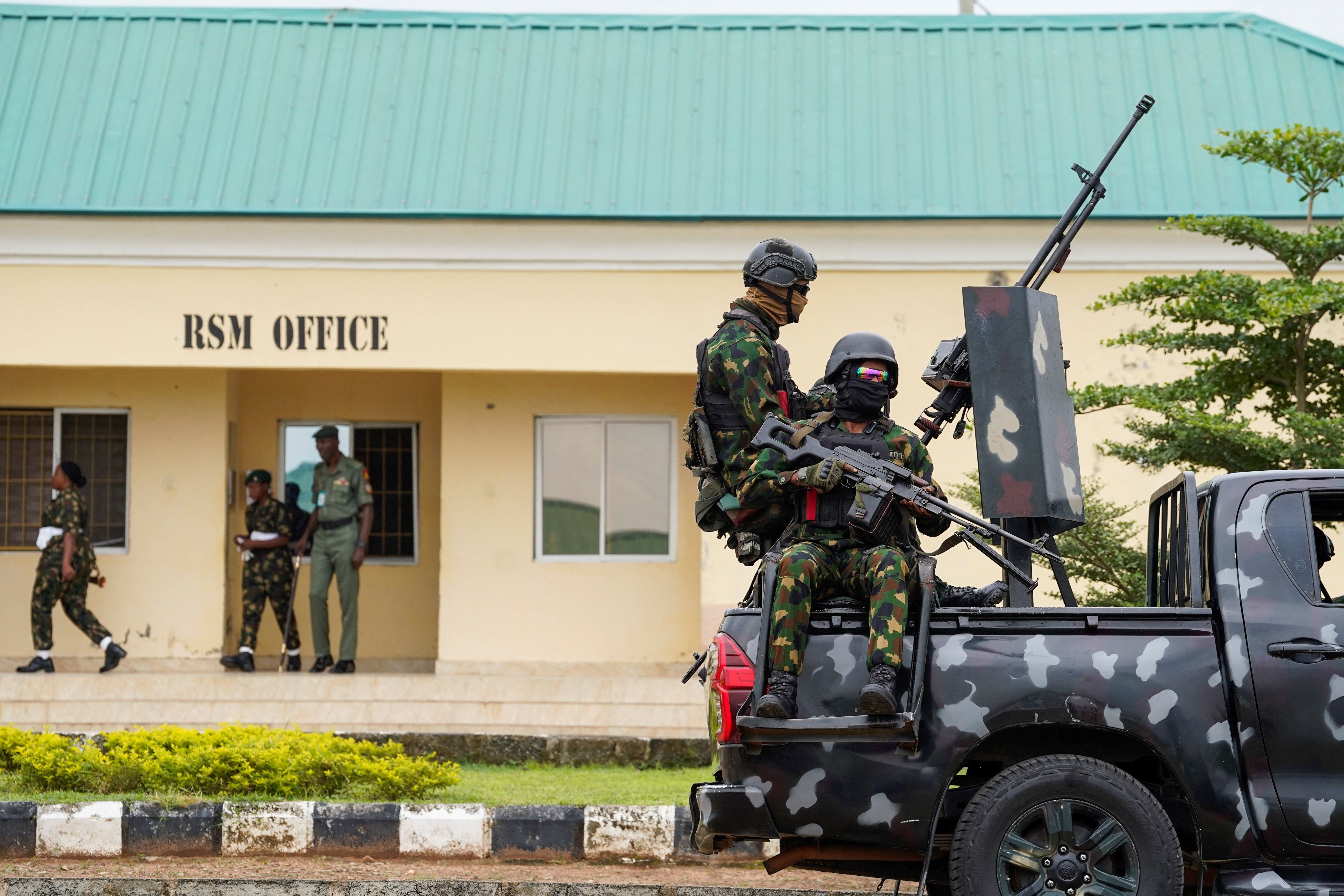
Nigeria's 2015 election was marred by a significant issue: insecurity. This concern only intensified ahead of the latest presidential polls scheduled for January, with far-reaching implications for the nation's economy. The 2015 election holds particular significance as it occurred a year after a devastating mass abduction of nearly 300 girls from a school in Chibok, northeastern Nigeria, by Boko Haram.
This event not only captured global attention but also served as a blueprint for a kidnap-for-ransom strategy employed by criminal gangs primarily operating in northern Nigeria. However, in recent years, these gangs have expanded their operations to other regions, turning mass kidnappings into a thriving industry, as reported by Reuters correspondent Alexander Onukwue from Lagos.
The 2015 election also played a pivotal role in the rise of incumbent President Bola Tinubu. He strategically combined his southwestern support with northwestern leader Muhammadu Buhari to form the All Progressives Congress party, which eventually brought Buhari to power, with Tinubu succeeding him. Nevertheless, the very issue that propelled Tinubu into office has now become a formidable challenge.
Coupled with the increasing cost of living due to his economic reforms, this has posed the greatest threat to his bid for a second term. His main opponents are capitalizing on the electorate's desire for better protection and economic stability, while Tinubu faces mounting pressure from growing insecurity concerns. Even if his rivals manage to divide the opposition vote, as occurred in the 2023 election, Tinubu may narrowly secure his reelection.
Moreover, if investors perceive widespread insecurity as a significant risk to operating in the country, the macroeconomic benefits of his policies could fade over time. In recent months, hundreds of people have been kidnapped from mosques, highlighting the persistent issue of civilian attacks that has become an unfortunate norm in Nigeria.
Written by urgent.news from Semafor's reporting — not their text. Machine-written — may contain errors; check the original before relying on it.