Hong Kong students, high-risk cases can get flu vaccines 1 week early this year
Hong Kong school students and other residents deemed at risk can receive their influenza vaccines one week earlier this year, after the government diversified its procurement efforts and streamlined administrative measures. Authorities also said on Monday it would aim to boost the injection rate among people aged 65 or above and those aged six months to two years, adding that they would rely on…
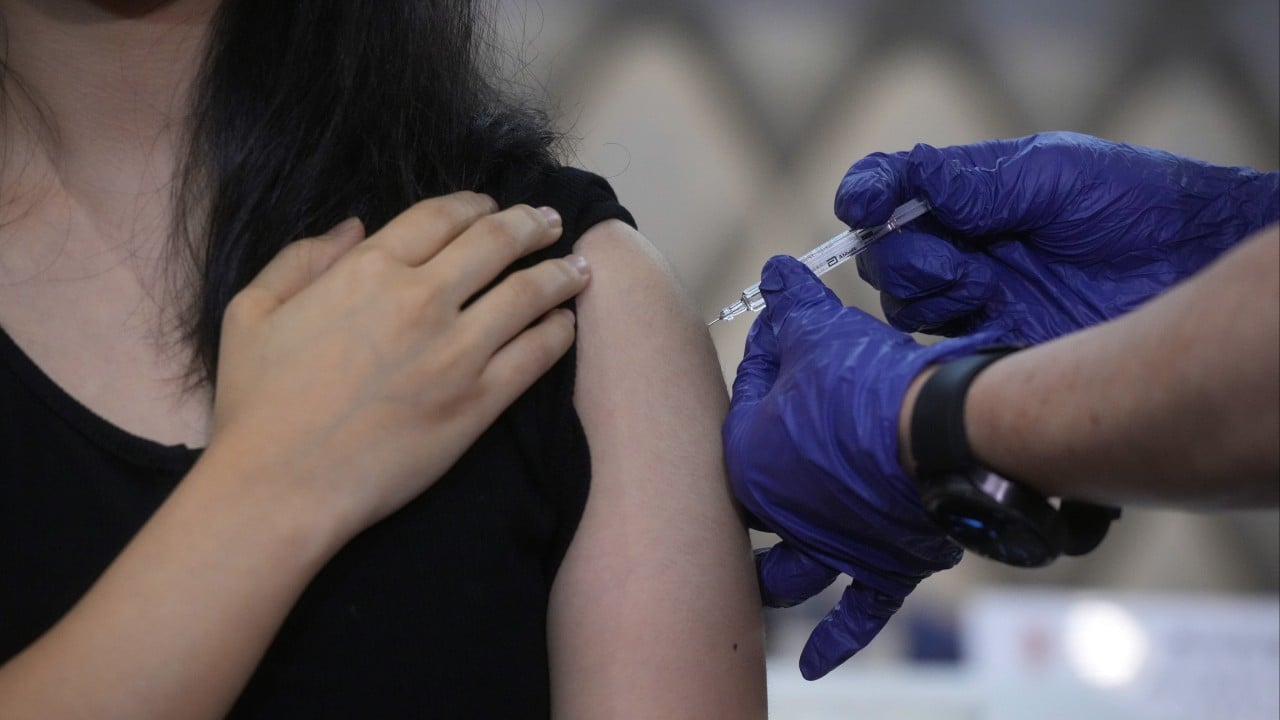
Following the government's diversification of vaccine procurement and administrative streamlining, Hong Kong school students and at-risk residents are able to receive their flu vaccines one week earlier this year. Health authorities aim to increase vaccine uptake among individuals aged 65 or older and those aged six months to two years, with reminders from doctors during medical encounters being prioritised.
The 2026-27 seasonal influenza vaccination programmes commence on September 17, one week earlier than the previous year, as influenza remains active into August despite a slight decrease from its peak. Dr Edwin Tsui Lok-kin, controller of the Centre for Health Protection, explained that the early start accounts for the transmission risk following students' return to schools after the new academic year.
Vaccines for the campaign include injectable inactivated jabs from French and Chinese manufacturers, nasal spray live attenuated vaccines from AstraZeneca, and injectable recombinant doses from Sanofi, totalling 1.3 million doses. This year, the quantity of Sanofi inactivated doses has decreased from 900,000 to 660,000, while Sinovac's allocation has increased from 300,000 to 530,000 compared to last year.
Nasal spray and recombinant vaccines have also risen to approximately 60,000 each, up from 50,000 each in the previous year. The early arrival of some vaccines enabled authorities to initiate inoculation drives earlier, with all procured vaccines being trivalent, protecting against three flu strains. The World Health Organization determined that the Yamagata variant of Influenza B is no longer necessary.
Authorities have also enhanced a pilot scheme to assist private doctors in procuring vaccines with government contracts, tripling the supply and expanding eligibility for participating physicians. The government procured 300,000 jabs under this scheme, up from 100,000 in the previous year, covering doctors who participated in the Vaccination Subsidy Scheme (VSS) and at least one other primary healthcare programme subsidized by the government.
While 2.03 million vaccines were administered under the government schemes in 2025-26, a decrease from nearly 2.09 million in the previous year, Dr Tsui emphasized that 27.4% of children aged six months to two years were vaccinated, surpassing the average of the previous three years but still needing improvement. Additionally, 49.4% of elderly residents aged 65 or older received vaccines, 1.3 percentage points lower than the previous three-year average.
The government aims to raise awareness by encouraging doctors to remind patients about getting their influenza jabs during medical encounters.
Written by urgent.news from South China Morning Post - Hong Kong's reporting — not their text. Machine-written — may contain errors; check the original before relying on it.
This story
This is one outlet's version. Read the fullest account.