Hong Kong and Singapore property shrug off fund tax breaks
The long-standing rivalry between Asia’s two leading financial centres is heating up. As Hong Kong and Singapore compete harder for investment talent, tax incentives for fund managers have emerged as the new battleground. A government bill working its way through Hong Kong’s Legislative Council would result in sweeping changes to tax rules on carried interest. The legislation, which is expected…
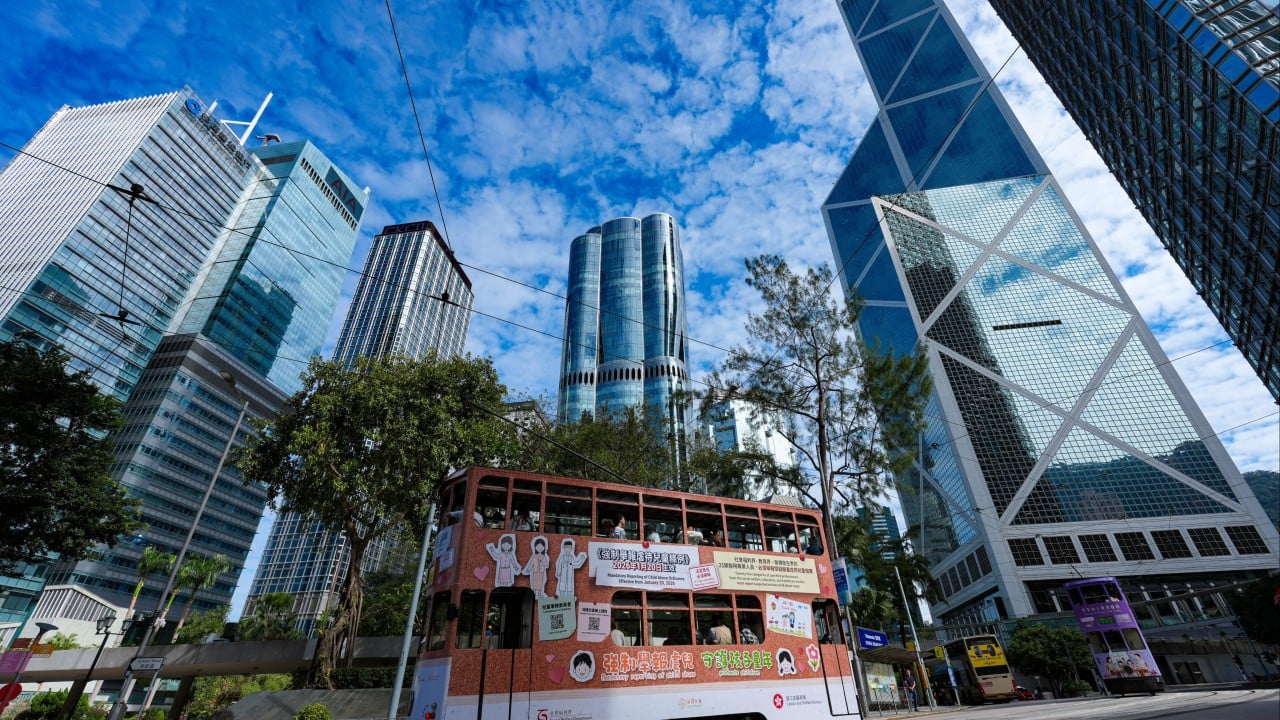
The rivalry between Hong Kong and Singapore's real estate markets has intensified as the two cities vie for investment talent and capital. A draft bill in Hong Kong aims to change tax rules on carried interest, offering preferential tax treatment to a wider range of alternative investment groups. This move prompted Singapore to respond with a package of measures to enhance the appeal of its asset management industry, including a proposal to exempt a share of profits made by fund managers when they deliver strong returns for investors in qualifying funds.
Citi analysts see the changes to Hong Kong's tax regime as a "structural catalyst for capital and talent inflows" that would support demand in the real estate market. If 3% of fund managers relocated from mainland China and Singapore to Hong Kong, it could create 1,500 new asset management positions, leading to 150,000 sq ft of additional office space in prime areas. In the housing market, demand for high-end homes could increase by 2% if the relocations happen within a year.
However, tax competition is not a primary driver of Hong Kong's real estate market performance. Factors such as the heavy influence of mainland China on Hong Kong's economy, Singapore's safe-haven status, and the different supply-demand dynamics in each market have proven more influential. Despite Hong Kong's tax reform, it was the second-most actively traded market for residential properties above US$10 million in Q1 2025, with mainland buyers accounting for nearly half the value of new home sales in the past two years.
Singapore's residential market has not been significantly affected by competition with Hong Kong. Domestic demand remains crucial, with Singaporean citizens and permanent residents accounting for about 90% of luxury home sales in the city's core central region. Stamp duty hikes for foreigners buying residential properties have only amplified the importance of domestic purchasing.
In the office sector, structural differences outweigh the impact of competition for capital and talent in both cities. Hong Kong has more than a third of its office stock in non-core districts, while Singapore's office space is concentrated in the central business district, leading to record low vacancy rates and rental growth for grade A buildings.
Written by urgent.news from South China Morning Post's reporting — not their text. Machine-written — may contain errors; check the original before relying on it.
This story
This is one outlet's version. Read the fullest account.
- Hong Kong and Singapore property shrug off fund tax breaks scmp.com
- Korean beef exports to Hong Kong expand under eased quarantine rules koreatimes.co.kr
- Warning for WhatsApp users as hijacking scams jump news.rthk.hk
- Canada ends Hong Kong ‘lifeboat’ immigration scheme launched in the wake of national security law hongkongfp.com