GLP-1 Drugs Tied to Gallbladder and Biliary Risks in Youth
(MedPage Today) -- Use of GLP-1 receptor agonists was associated with increased cumulative gallbladder and biliary events in youths, according to a retrospective analysis of TriNetX data. Among over 37,000 adolescents and young adults with overweight...
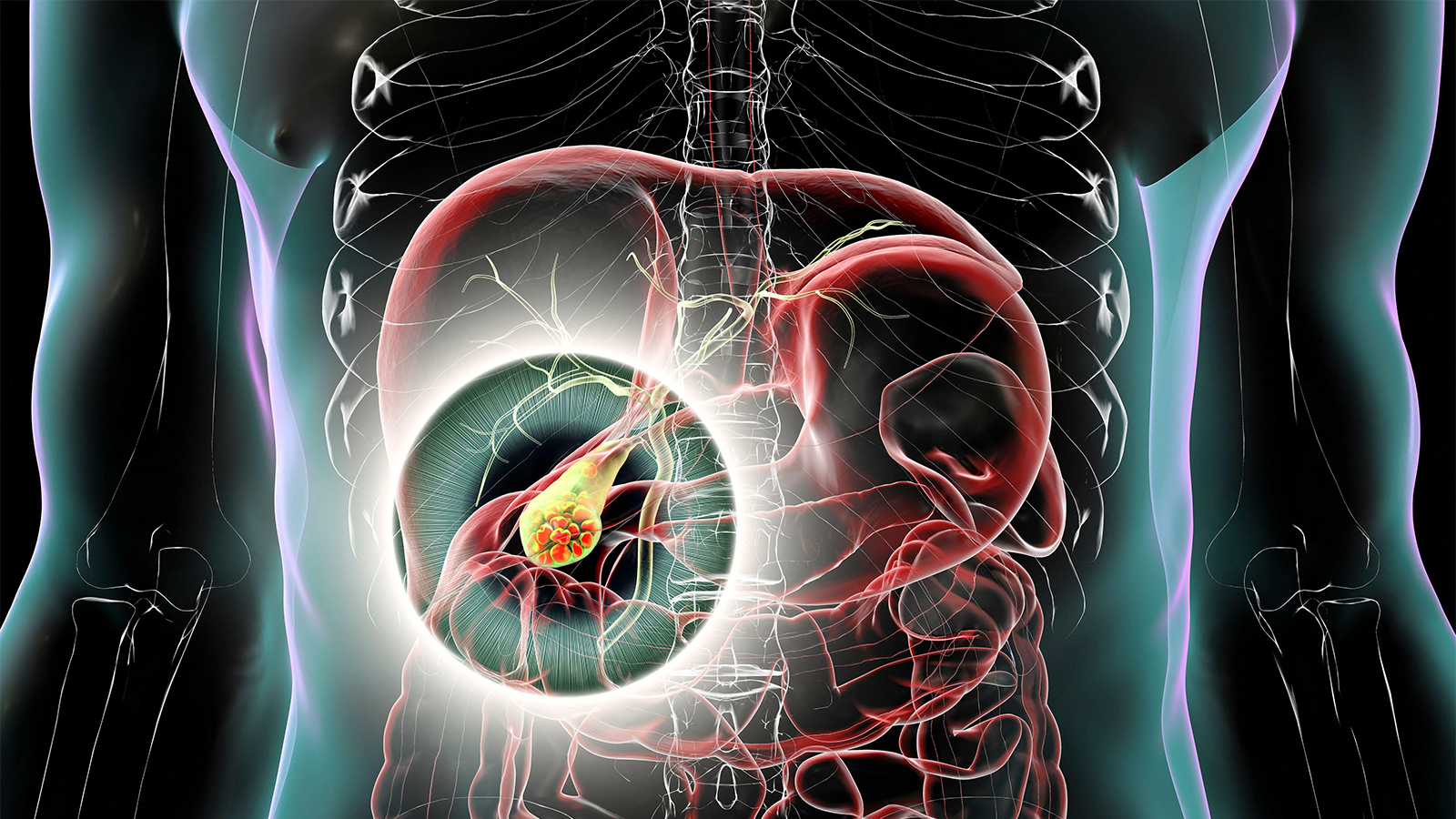
A recent study published in JAMA Pediatrics has linked the use of GLP-1 receptor agonist drugs to an increased risk of gallbladder and biliary issues in adolescents and young adults with overweight or obesity. Researchers from Mass General Brigham and Harvard Medical School analyzed data from over 37,000 individuals and found that those who used GLP-1 drugs were at higher risk for biliary colic, cholecystectomy, and cholecystitis compared to matched controls.
The analysis revealed that GLP-1 drug use was associated with a 62% increased risk of biliary colic and a 39% increased risk of cholecystectomy. Cholecystitis was found to be 122% more likely in individuals using GLP-1 drugs. The risk was attributed to rapid weight loss, which can lead to gallstone formation in children with obesity, along with the effects of GLP-1 receptor agonists on gallbladder function.
The findings emphasize the need for medical professionals to monitor patients closely for biliary symptoms when prescribing GLP-1 receptor agonists to youths. This safety signal was first identified during the STEP TEENS trial, where 4% of participants in the semaglutide arm developed acute gallbladder disease compared to none in the placebo group. Other GLP-1 drugs, such as liraglutide, did not show such biliary event risks in their respective trials.
The study's retrospective design and reliance on diagnostic codes prevent the establishment of causality. However, the researchers recommend that prospective studies further investigate risk stratification, evaluate preventive strategies used in bariatric populations, and identify monitoring protocols to reduce biliary morbidity associated with GLP-1 drug use in adolescents and young adults.
Written by urgent.news from MedPage Today's reporting — not their text. Machine-written — may contain errors; check the original before relying on it.